Office automation UK is no longer a question of whether it will reach your desk, but how quickly you can put it to work. For women running businesses in the UK, automation is becoming a practical way to reduce admin, cut errors, and reclaim time for growth. With over 5.5 million small businesses in the UK, according to 2024 Department for Business and Trade figures, the pressure to do more with less is constant.
Office Automation UK: Where to Start
According to the original Alison Rose Review of Female Entrepreneurship (2019), closing the entrepreneurship gender gap could add up to £250 billion to UK GDP. Yet women-led businesses received less than 2% of UK equity investment in 2023, according to British Business Bank analysis. That makes productivity gains from automation especially valuable: they allow you to do more without needing external funding. Here are six ways office automation is reshaping desk work for UK businesses.
1. Repetitive Tasks and Data Entry
Robotic Process Automation (RPA) uses software bots to handle repetitive jobs such as copying data between spreadsheets, reconciling invoices, or updating customer records. For UK sole traders and small limited companies, this directly reduces the admin burden that often falls on the business owner.
The need for digital record-keeping is also becoming a legal requirement. Under HMRC’s Making Tax Digital for Income Tax Self Assessment (MTD for ITSA), sole traders and landlords with annual business income over £50,000 must keep digital records and submit quarterly updates from April 2026. Automation tools that feed directly into compliant software can help you meet these rules without manual re-entry. See our Making Tax Digital sole trader checklist for a step-by-step guide.
2. Data Analysis and Insights
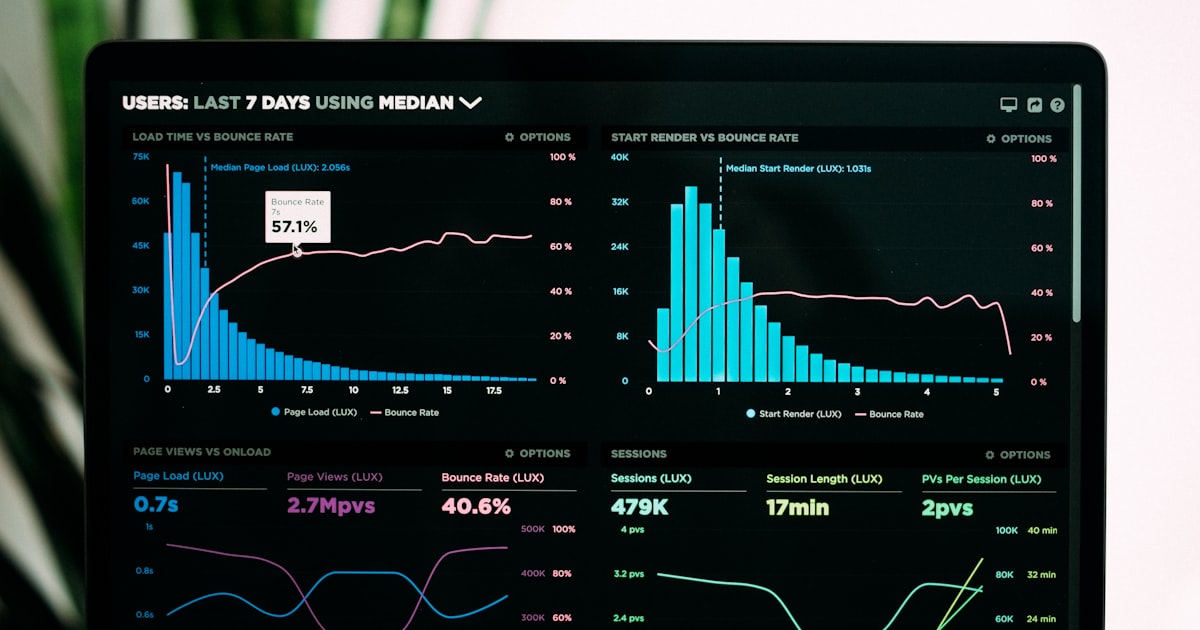
UK businesses generate large volumes of data from sales, website traffic, payroll, and customer behaviour. Machine learning and AI tools can spot patterns that are easy to miss, such as which products are most profitable or which clients are at risk of leaving.
For women-led businesses, this matters because faster insight often replaces the need for extra headcount. The AI gender gap means women founders are less likely to adopt these tools than male peers, so closing that gap can be a competitive advantage. Just remember that any automated system processing personal data must comply with UK GDPR, including transparency about automated decision-making.
3. Automate Customer Service Enquiries
Chatbots and virtual assistants can answer routine questions, book appointments, and handle order tracking around the clock. This is useful for UK businesses serving customers outside standard working hours or managing high volumes of repetitive enquiries.
The key is to keep a human escalation path. Automated customer service works best for straightforward requests, while complex complaints or vulnerable customers need a person. Used well, it frees your team to focus on relationship-building rather than repeating the same answers.
4. Connect Your Workflow Tools
Workflow automation connects the apps you already use, so actions in one tool trigger actions in another. For example, a new sale in your e-commerce platform can automatically generate an invoice, update your inventory, and notify your accountant.
The UK government’s Made Smarter programme supports SMEs to adopt digital technologies including automation, AI, and robotics. It offers advice, grants, and leadership training to help smaller firms identify where technology can improve productivity. For women founders looking to scale without a large team, this kind of joined-up workflow is often the fastest win. Our business admin guide covers the core processes worth automating first.
5. Manage Documents in the Cloud
From contracts and invoices to HR records and tax documents, businesses create paperwork constantly. Cloud-based document management systems use automation to file, tag, search, and version documents, reducing the risk of lost files or outdated information.
This is particularly relevant as HMRC and Companies House move towards more digital filing. Companies House now requires identity verification for directors, and digital document trails make compliance easier. If you are a limited company director, see our guide to Companies House identity verification.
6. Scheduling and Calendar Management
Booking meetings by email can waste hours each week. Automated scheduling tools let clients and colleagues book time directly into your calendar, send reminders, and handle time-zone differences. For women juggling business with caring responsibilities or portfolio careers, this removes a small but persistent friction.
Automation can also support flexible working. With the right tools, you can hand off routine scheduling and focus on high-value work during the hours that suit you. Our article on AI for work-life balance explores this in more detail.
How to Start with Office Automation
Automation does not require a large IT budget. Most UK small businesses can start with one or two low-cost tools and expand from there. The priority is to automate tasks that are repetitive, rule-based, and time-consuming.
- Audit your week: identify the tasks you repeat most often.
- Choose one process to automate, such as invoicing, scheduling, or expense tracking.
- Check that any tool complies with UK data protection rules and HMRC requirements.
- Train your team and document the new process.
- Review monthly to ensure the automation is saving time, not creating new work.
Start Small and Scale Your Automation
Office automation UK is not about replacing people; it is about removing the repetitive work that stops you from thinking strategically. For women running UK businesses, the right automation tools can cut admin, improve customer service, and create space for growth. Start small, choose tools that fit UK tax and data rules, and treat automation as a teammate that handles the routine so you can focus on what matters.