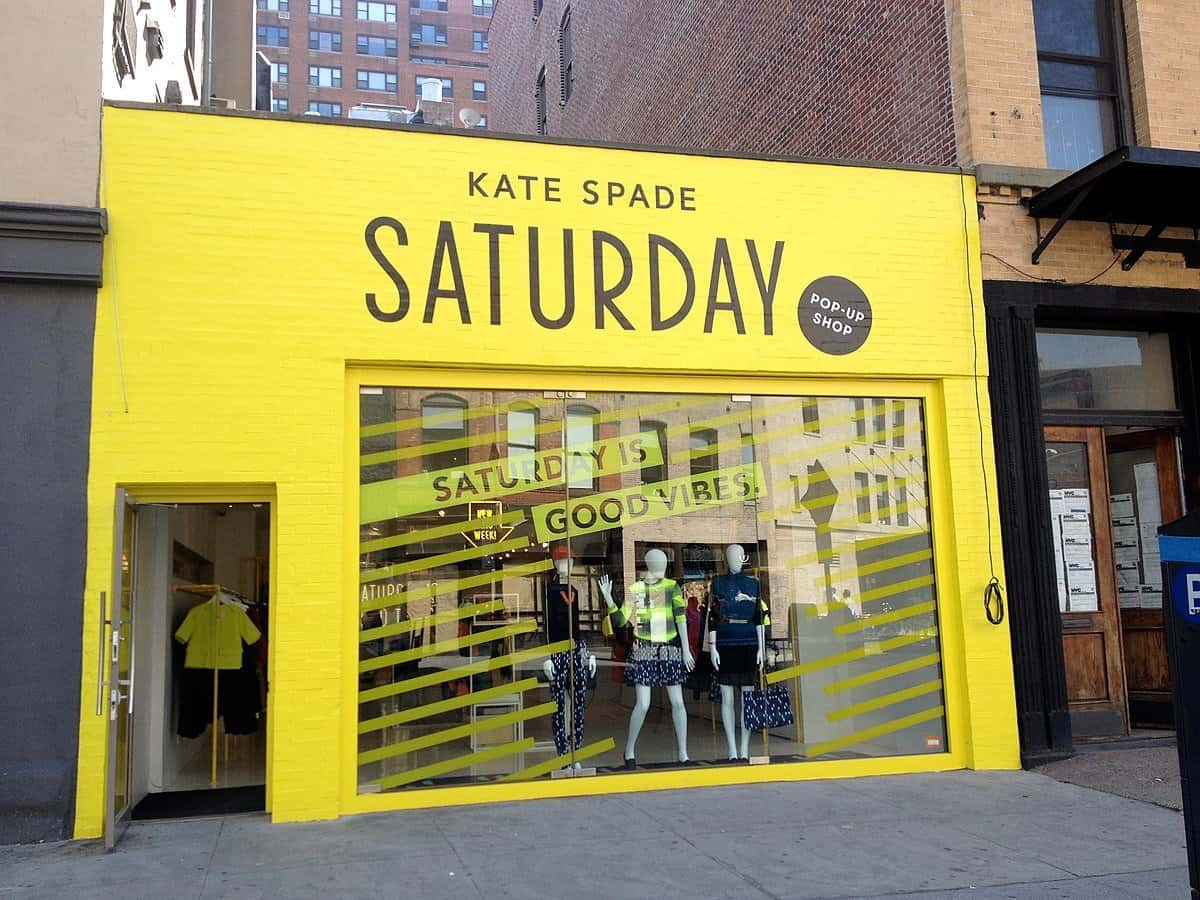
Pop-up shops remain one of the lowest-risk ways to test a product, build a brand and make sales without committing to a long-term lease. They also bring life back to empty high streets and shopping centres. Entrepreneurs researching what is a limited company will find that the British Retail Consortium and Local Data Company continue to report elevated vacancy rates across UK retail locations, so landlords and councils are often open to short-term, flexible arrangements. Affordable card readers, social media marketing and grant schemes mean it is now cheaper than ever to set up a pop-up shop in the UK.
Here is a practical guide to opening a temporary shop in style and on budget.
Why pop-ups work for UK startups
The line between online and physical retail is blurring. ManyMany UK businesses now move from clicks to bricks, using a temporary shop as a real-world beta test before signing a permanent lease, a strategy commonly outlined in advice on how to write a business plan.ting customers face to face gives you instant feedback on product fit, pricing and display that no website analytics dashboard can replicate.
That does not mean abandoning digital tools. Use them to drive footfall: promote your location on Instagram and TikTok, collect email sign-ups on a tablet, and ask visitors to tag your brand online. The goal is to combine the reach of e-commerce with the trust and immediacy of a physical presence.
Pop-ups are especially useful for women founders who want to validate demand before taking on debt or external investment. You can read more about the broader landscape in our Women in Business: Key UK Facts page.
How to find pop-up shop space
Start where your target customers already spend time. Look for empty units on busy high streets, in markets, shopping centres or railway arches, then approach the landlord or managing agent directly. A short-term tenant is usually better than an empty window, so do not be afraid to negotiate on rent, length of term and service charges.
For women founders balancing business with other responsibilities, the short-term nature of a pop-up means you can test trading without locking yourself into a multi-year lease. Before you sign anything, check what is included. Ideally the agreement should cover business rates, utilities, insurance, repairs and a clear break clause. If the landlord already holds public liability insurance, ask whether your activity is covered or whether you need your own policy. For independent legal advice, see the Gov.uk guidance on commercial property responsibilities and the British Independent Retailers Association.
Also explore council-led meanwhile-use schemes, market pitches and short-term retail platforms that match brands with vacant space. These can reduce the legwork and sometimes offer lower-risk licences rather than full leases.
Licences, insurance and legal basics
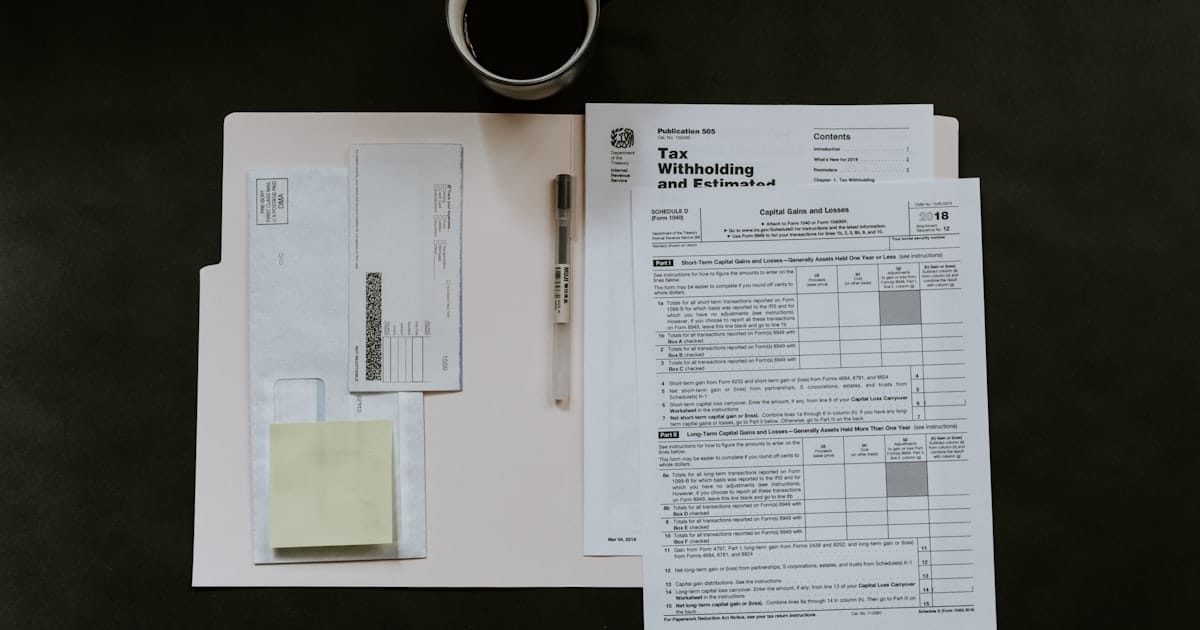
A pop-up is still a business, so get the paperwork right from day one. If you are trading as a sole trader, check whether Making Tax Digital for sole traders applies to you. From April 2026, HMRC requires sole traders and landlords with turnover above £50,000 to keep digital records and submit quarterly updates through compatible software.
You will also need to think about:
- Public liability insurance. Most landlords and councils require cover of at least £5 million.
- Employers’ liability insurance. Required by law under the Employers’ Liability (Compulsory Insurance) Act 1969 if you hire staff, even on a casual basis.
- Music licence. If you play recorded music in public, you need TheMusicLicence from PPL PRS. For a small shop, this typically starts from around £100 plus VAT per year.
- Food or alcohol licences. Food businesses must register with the local council at least 28 days before trading under UK food law. Alcohol sales require a premises licence and a personal licence holder.
- Business rates. In England, small business rate relief gives 100% relief on properties with a rateable value of £12,000 or less, tapering to zero at £15,000.
For a fuller breakdown of what you can offset, see our guide to allowable expenses for the self-employed.
Pop-up shop concepts to consider
You do not need a premium fit-out. Current UK retail design trends lean towards minimal, flexible and sustainable displays: wooden crates, reclaimed shelving and modular rails. Beauty products, clothing, homewares and fresh produce can all look striking with simple, clean presentation. The golden rule is that low cost must still look professional. Keep the space spotless, well-lit and uncluttered.
Beyond the look, think about the format. Choosing the right concept matters for women founders who may be balancing a pop-up with employment, study or caring responsibilities. Here are four proven formats:
Going mobile
A food truck, fashion stall, book van or beauty trailer lets you test multiple locations without being tied to one unit. You can hire a vehicle for a specific event or season, or convert your own van if you plan to trade regularly. Mobility is ideal for market research: you can compare footfall, demographics and sales in different neighbourhoods before choosing a permanent base.
Invitation-only previews
Create scarcity and excitement by opening to loyal customers, press or local influencers for a limited window. A two-day preview before the public launch can generate user-generated content, word-of-mouth and a waiting list.
Space within an existing store
Many established retailers, department stores and even office buildings now host guest brands to refresh their offer. You might pay a fixed fee or a commission on sales. This approach gives you instant footfall and shared overheads, though you will have less control over the environment, so make sure the host brand aligns with your values.
Event-led pop-ups
Calendar moments can drive serious traffic. Florists and chocolatiers do well around Valentine’s Day and Mother’s Day; gift brands peak in the run-up to Christmas; vegan and plant-based businesses benefit from Veganuary; and outdoor brands can capitalise on spring bank holidays. Plan your stock, staffing and marketing around the event rather than simply opening the doors.
Set up a pop-up shop in the UK: budget guide
Signage and branding do not have to be expensive. A reusable PVC banner, A-board or chalkboard can be stored between events and used again. Free or low-cost design tools let you create flyers, social posts and price lists that look consistent with your brand.
Taking payments is straightforward. Most UK shoppers now expect contactless and card payments, so a reliable card reader is essential. Pay-as-you-go card readers are widely available with no monthly fee; you simply pay a small percentage per transaction. Make sure the device works offline or has a reliable data connection, and test it before launch.
If you employ staff, budget for the National Living Wage. From April 2026, the National Living Wage for workers aged 21 and over is £12.21 per hour, as set by the Low Pay Commission. Our guide explains what women founders need to know about the £12.21 National Living Wage.
Other budget tips:
- Share space or staff with another complementary brand.
- Use social media and local listings instead of paid advertising.
- Buy fixtures second-hand or borrow them from maker networks.
- Negotiate inclusive rents that cover utilities, rates and cleaning.
- Check whether you qualify for business grants for women in the UK to cover launch costs.
Creating a buzz
A pop-up is as much a marketing event as a shop. Start teasing it online at least two weeks before you open: share behind-the-scenes preparation, reveal the location, run a countdown and offer a launch-day discount to people who RSVP.
Women-led brands often build loyal communities online first; a pop-up turns those digital relationships into real-world conversations and sales. On the day, make the space feel like an occasion. Offer samples or small gifts, play music that suits your brand (check you have the correct music licence from PPL PRS if you play recorded music in public), and encourage visitors to post photos. A-boards, balloons or chalkboards outside can catch the eye of passers-by, while friendly staff welcoming people in makes a huge difference.
Do not rely solely on foot traffic. Update your Google Business Profile with the temporary address and opening hours, post on local community Facebook groups and Nextdoor, and use location tags on every social post. Local SEO helps people who are already searching for products ‘near me’ find you quickly, essential when you are only open for a short time.
Keep in touch after the pop-up
Before you pack up, make sure you can stay in contact with everyone who showed interest. Offer a clear incentive for email sign-ups: a discount code, early access to your next location or entry into a prize draw. Store addresses securely in line with UK GDPR rules. A simple mailing list through your own website or a reputable email platform is enough to start with.
For women founders, a mailing list is one of the most cost-effective ways to maintain momentum between launches without relying on expensive paid advertising. Scarcity is built into the pop-up model: if customers do not sign up, they may miss your next appearance. Use that urgency ethically by being clear about where and when you will trade next.
Your pop-up shop action plan
Use this plan to move from idea to opening day with confidence, even if you are fitting the launch around other commitments.
- Choose your format: mobile, standalone unit, store-in-store or event-led.
- Research locations where your customers already spend time and negotiate flexible terms.
- Confirm licences, insurance, business rates and music licences before you trade.
- Budget for staff, stock, fixtures and the £12.21 National Living Wage from April 2026.
- Promote the pop-up at least two weeks in advance and capture customer contacts for the next launch.
Setting up a pop-up shop in the UK is one of the smartest ways to test demand, build a local following and generate revenue without a long-term commitment. With the right location, a tight budget and a clear plan for follow-up, your temporary shop can become the foundation of something permanent.