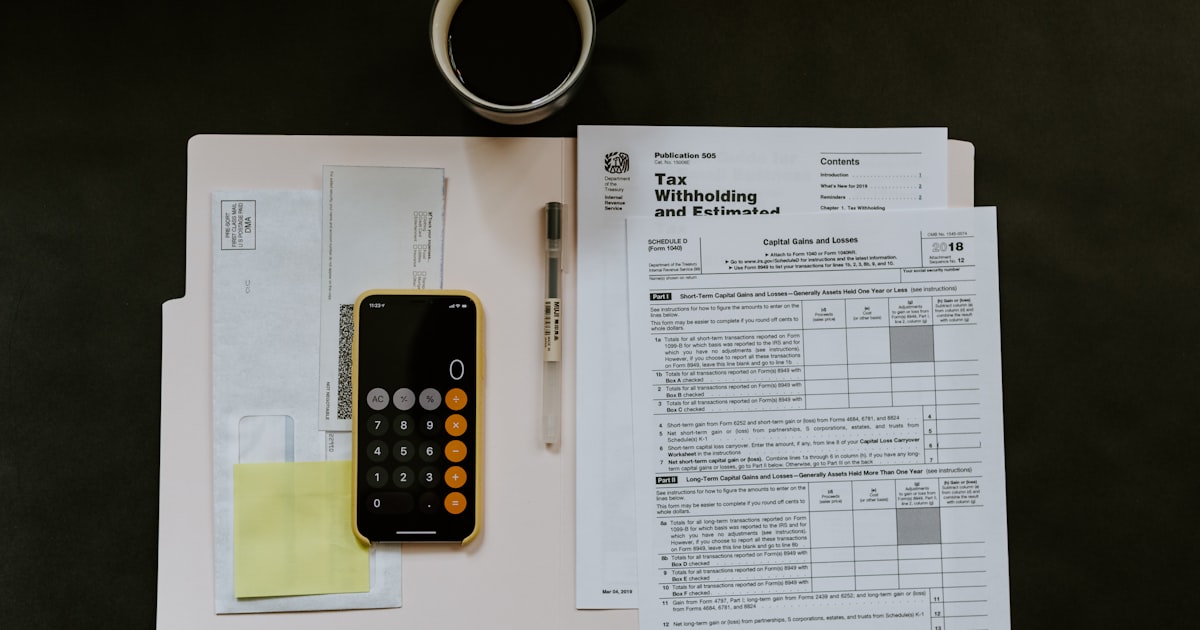
For most UK-based start-ups, setting up a business is quick, inexpensive, and straightforward. If you already know what you want to do, have done your research, and are ready to commit, you can get the formalities done in a matter of hours. This guide covers the practical steps to set up a UK business, from registering with HMRC to building the foundations that will help it thrive. It is written with women founders and women-led businesses in mind, and points to UK-specific resources, schemes, and communities that can support you along the way.
Follow the first seven steps to get up and running, then work through the remaining steps to give your venture the best chance of long-term success.
Step 1. Register as self-employed with HMRC
You must tell HMRC that you are starting a business. You can register as self-employed online. This sets you up for Self Assessment and establishes you as a sole trader. If you plan to start a limited company rather than work for yourself, see Step 9.
You must register by 5 October in your business’s second tax year, or you may face a penalty. HMRC also offers free online guidance and webinars on record-keeping, tax returns, and what to do if you take someone on. It is well worth working through these before you start trading. For the latest Self Assessment changes, see our Self Employed Tax UK: A Complete Guide for 2026/27.
Step 2. Sort out insurance cover
Insurance protects you and your business against accidents, sickness, theft, legal fees, and other risks. Essential cover includes employers’ liability if you have staff, plus property and vehicle insurance where relevant. Many businesses also need public liability insurance if you deal with the public, and professional indemnity insurance if you give advice or provide specialist services. See our Startup’s Guide to Insurance for more detail.
The right cover depends on your sector and how you operate. Specialist brokers can help niche businesses, and trade associations often negotiate discounted premiums for members. If you have dependants, it is particularly important to consider life insurance when you are self-employed.
Step 3. Choose a business name
Search Google and Companies House to check whether your preferred business name is already in use. If you cannot decide immediately, trading under your own name is a simple interim option. Avoid investing in printed materials or branded assets until you are certain, but do register the matching website domain as soon as you settle on a name.
Step 4. Set up a business bank account
If you form a limited company, you need a business bank account because the company is a separate legal entity from you. As a self-employed sole trader, a separate business account is not a legal requirement, but it is strongly recommended. Keeping business and personal finances apart makes bookkeeping, tax returns, and cash-flow management much easier. Most high-street and digital banks offer low-cost or free start-up business accounts.
Step 5. Make sure your business is compliant
When you start a business in the UK, you need to satisfy relevant regulatory requirements such as health and safety, licensing, and data protection. The GOV.UK business regulation guidance provides tools that walk you through what applies to you. For most home-based and online start-ups, this is quick and straightforward.
If you process personal data, you may also need to register with the Information Commissioner’s Office (ICO). Check the ICO advice for small organisations to see whether you need to pay the data protection fee.
Step 6. Start accounting for everything
Good record-keeping is essential from day one. As a minimum, keep a record of all sales, expenses, and receipts. Many small businesses use cloud accounting software to save time and stay organised, but a simple spreadsheet can be enough when you are starting out.
If your taxable turnover exceeds the VAT threshold of £85,000 (frozen until at least April 2026, per HMRC guidance), you must register for VAT. From April 2026, Making Tax Digital for Income Tax Self Assessment (MTD for ITSA) also requires self-employed individuals and landlords with turnover above £50,000 to keep digital records and submit quarterly updates. See our Making Tax Digital Sole Trader: 2026 Checklist for Women for what to prepare.
If you form a limited company or employ staff, an accountant is usually worth the investment. They can advise on tax efficiency, payroll, and how to meet your filing obligations.
Step 7. Sort out your workspace
Your local council can provide information about business premises and business rates in your area. Many councils also offer start-up advice, grants, or subsidised workspace, so check their website.
Setting up a business from home
If you work at a desk or run a light-touch business, you can usually start from home without special permission. However, there are a few things to consider:
- What expenses you can claim when working from home, including a proportion of household bills.
- Planning permission: if you expect regular business visitors or employ someone who will work from your home, contact your local authority planning department for advice.
- If you rent, check your lease allows you to work from home.
If you work online or remotely, co-working spaces can be a good alternative to working from home. They offer flexibility, professional surroundings, and a chance to meet other founders.
How to Set Up a UK Business That Thrives
Getting a business formally set up is only the beginning. To build something that lasts, you need firm foundations. These steps will help you create a business that can survive and grow.
Step 8. Get your business image in order
Develop a brand identity that reflects your values and appeals to your target customers. Design a simple logo, choose a consistent colour palette and fonts, and use them across all your materials. Free design tools such as Canva make it easy to create social media graphics, flyers, and presentations yourself. See our article on Colour Psychology in Branding: The Do’s and Don’ts for guidance on choosing the right look.
Step 9. Decide on the best legal structure for your business
For most UK start-ups, the choice is between operating as a sole trader or a limited company.
If you are self-employed or running a side hustle, being a sole trader is usually adequate. You simply register as self-employed with HMRC, as described in Step 1.
If you want outside investment, plan to grow quickly, or prefer the protection of limited liability, you should set up a limited company. You can register a company online with Companies House for £50 (as of May 2024, the standard digital incorporation fee), and your company is usually incorporated within 24 hours. From 2025, all new and existing directors must also complete Companies House identity verification. If you need help, an accountant or formation agent can handle the paperwork for you.
If your business has primarily social or charitable aims, consider a social enterprise structure.
Step 10. Write a business plan
A business plan is essential if you need to raise finance, and valuable even if you do not. It should set out what your business does, who your customers are, how you will reach them, and how you will make money. Treat it as a living document and review it regularly. Read our guide to How to Write a Business Plan: A Step-by-Step UK Guide.
The marketing and sales section is particularly important: without customers, you do not have a business.
Step 11. Manage your cash flow
Start a cash-flow forecast and update it with actual figures regularly. This helps you plan ahead, spot problems early, and take advantage of opportunities. A simple spreadsheet is usually enough when you start out.
Even if you use a bookkeeper or accountant, stay personally involved. Never hand over complete responsibility for your finances. Understanding your numbers is one of the most important habits you can develop as a business owner.
Step 12. Keep costs as low as possible
Until your business model is proven and sales are strong, keep spending to a minimum. There is a lot you can achieve with very little money. If you do need funding, explore loans, grants, investment, and crowdfunding. Our Business Grants For Women in UK guide explains the options.
The government-backed Start Up Loans scheme is also worth considering. These unsecured loans of up to £25,000 come with a fixed interest rate of 6% per year and include free mentoring. Dedicated support is available through the Start Up Loans Female Founders programme.
Step 13. Get your business kit in order
Shop around for IT equipment, office furniture, and transport. Test your business idea as much as possible before spending heavily on kit or premises. If you are customer-facing, consider starting with a pop-up shop or hiring a sessional room to keep overheads low.
Step 14. Organise your business communications
Make it easy for customers to contact you by phone, email, and the social networks they use most. Start with one or two platforms where your target audience already spends time, rather than trying to be everywhere.
Keep your branding consistent across every channel, using the same profile picture, colours, and strapline so you are instantly recognisable.
Step 15. Get your business support in order
Be honest about your own skills and identify where you need help. You do not need to employ staff straight away. Many founders start by subcontracting to freelancers or collaborating with other small businesses. This keeps costs flexible while you access expertise in marketing, design, administration, and more.
Most importantly, find someone you can talk to regularly about your business. Starting a business is rewarding but rarely straightforward. A business mentor, adviser, or supportive network can help you through the low points and celebrate the wins. Take a look at our Women in Business Networks UK: The Best Communities to Join in 2026 to find peers near you.
Key 2026/27 numbers to remember
| Item | Figure | Source |
|---|---|---|
| Companies House digital incorporation fee | £50 | Companies House, 2024 |
| VAT registration threshold | £85,000 | HMRC, frozen until at least April 2026 |
| MTD for Income Tax Self Assessment threshold | £50,000 from April 2026 | HMRC |
| Start Up Loans maximum | £25,000 per director, up to £100,000 per business | British Business Bank / Start Up Loans |
| Start Up Loans interest rate | 6% fixed per year | Start Up Loans |
Starting a business checklist
Work through these 15 steps to set up a UK business and start moving forward today. For more on the UK women in business landscape, see Women in Business: Key UK Facts.