Starting a business is one of the most rewarding decisions you can make, but the first few months are rarely glamorous. When I left employment to work for myself, the shift was as much emotional as practical: the steady salary, the structured diary and the office camaraderie disappeared almost overnight, replaced by an empty inbox, a to-do list that seemed to grow rather than shrink, and the nagging question of whether I had done the right thing. Surviving the first few months of a start-up is rarely straightforward.
That adjustment is normal. The 2024 Rose Review Progress Report found that women-led businesses contribute an estimated £105 billion to the UK economy, yet women remain underrepresented among UK business owners. The early months are often where that gap is most keenly felt, when confidence, cash flow and support networks are tested simultaneously. The good news is that the turbulence does pass, and there are practical steps you can take to make it survivable. For the latest figures, see our Women in Business: Key UK Facts page.
What surviving the first few months of a start-up really takes
Here is what helped me, and what I now recommend to any woman taking the leap into self-employment in 2026.
Put the legal and financial basics in place early
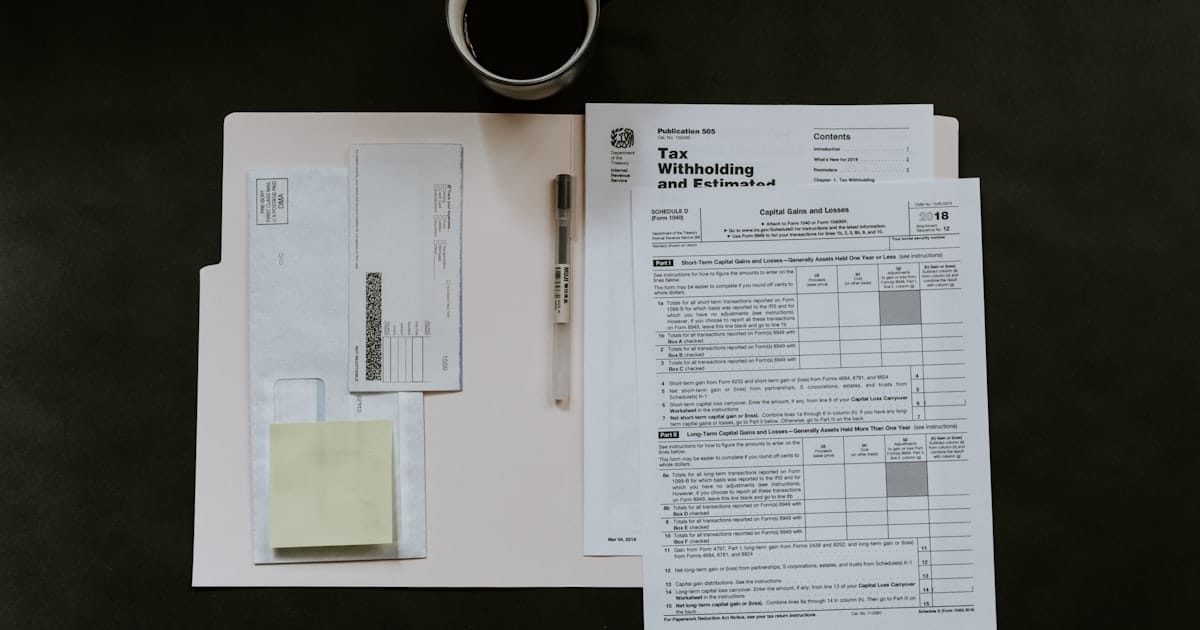
Before you worry about branding or social media, get your business structure right. Most UK start-ups begin as sole traders, which means registering for Self Assessment with HMRC and keeping clear records of income and expenses. If you are setting up a limited company, you will need to incorporate with Companies House and complete identity verification as a director. Whichever route you choose, open a separate business bank account from day one. It makes tax returns far simpler and gives you an immediate sense of professionalism.
Cash flow is one of the biggest reasons young businesses struggle. Draw up a 12-month cash-flow forecast, build in a personal financial buffer if you can, and familiarise yourself with the current thresholds. For 2026/27, the VAT registration threshold is £90,000, and the self-employed no longer pay Class 2 National Insurance contributions following their abolition in April 2024, according to HMRC. For the same tax year, Class 4 National Insurance is payable at 6% on profits between £12,570 and £50,270, and at 2% above that, based on HMRC guidance. Free resources such as the British Business Bank, Start Up Loans Female Founders and local Growth Hubs can help you navigate the basics without paying for advice you may not yet need.
Find coping mechanisms for the silence
I came from an office of constantly ringing phones and a steady stream of emails, so the quiet of working alone was a shock. An empty inbox can feel like failure, but it is simply the start of building momentum. I created a daily routine of proactive tasks: pitching to journalists, writing blog posts, updating my contacts database, researching potential clients and sending follow-up emails. The key is to measure effort as well as outcome in the early weeks, because results often take months to materialise.
Prepare your friends and family
Starting a business is not a solo sport, even if you are the only employee. Speak to the people closest to you before you launch, explain that you may need emotional and possibly practical support, and be honest about the financial uncertainty. Surround yourself with people who will cheer you on without minimising the reality of what you are doing. Their encouragement can be the difference between getting up on a difficult morning and staying under the duvet.
Accept help and ask for it
No one builds a successful business entirely alone. Friends, family and former colleagues often have skills you can draw on: a photographer for your website headshots, an accountant to talk through a VAT question, a web developer to fix a glitch. Be specific about what you need, offer something in return where you can, and remember that most people genuinely want to see you succeed. If personal networks are limited, look to formal mentoring schemes such as those run by the British Chambers of Commerce, local Growth Hubs or sector-specific women’s networks.
Prioritise your mental and physical health
Your business cannot thrive if you do not. Exercise, decent nutrition, sleep and time away from the screen all have a direct impact on decision-making and resilience. I found that keeping up hobbies, seeing friends and practising mindfulness helped me manage the inevitable anxiety. A consistent morning routine can also protect your mental health when the boundaries between work and home blur.
Experiment with where you work
The UK now has a well-established network of coworking spaces, many of which offer affordable day passes or dedicated desks for freelancers and early-stage founders. If a formal coworking membership is too expensive, try your local library, a quiet café with reliable Wi-Fi, or a reciprocal arrangement with another self-employed friend. I treated it as an experiment: I tracked where I did my best work and then made that environment as regular as possible.
Build connections with other entrepreneurs
This was perhaps the single most important factor in keeping me sane. Only another founder truly understands the graft, the self-doubt and the exhilaration of building something from scratch. Join at least one peer group, online or in person, and make time for it even when you feel too busy. Our guide to Women in Business Networks UK: The Best Communities to Join in 2026 is a good place to start.
Manage your expectations and celebrate small wins
It takes time to build a sustainable business, and impatience is one of the biggest emotional traps for new founders. I learned to celebrate every small milestone: the first paying client, the first piece of press coverage, the first month I covered my costs. Progress is rarely linear, and overnight success is almost always the result of years of invisible work.
Keep showing up even on hard days
In the early days, no one will notice if you do not get out of bed. There is no boss, no colleague and no receptionist to hold you accountable. That freedom is both the privilege and the challenge of self-employment. On difficult days, I reminded myself that momentum only comes from action, even small, imperfect action. If your inbox is empty, send five outreach emails. If no one has called, make one call. Movement creates movement.
Be kind to yourself
There will be days when everything feels stagnant. If it is mid-afternoon and you cannot face another task, step away. Read a book, go for a walk, do something completely unrelated to your business, and come back to it tomorrow. One bad day does not define your trajectory.
Stay true to your values
When I started my business, I wrote down a short set of values and referred back to them whenever I faced a big decision. They stopped me from saying yes to the wrong clients, chasing opportunities that did not fit, and losing sight of why I had started in the first place. Your values are your compass in the early months. Use them.
Action steps for your first few months
Surviving the first few months of a start-up is about combining practical discipline with emotional steadiness. Start with these steps this week:
- Register for Self Assessment or incorporate with Companies House, and open a separate business bank account.
- Build a 12-month cash-flow forecast using the current VAT threshold of £90,000 and the 2026/27 National Insurance rules.
- Explore free support through the British Business Bank, Start Up Loans and your local Growth Hub.
- Join one women’s business network or founder peer group and attend at least one event within the next month.
- Block time for exercise, rest and non-work interests before you fill your diary with client work.
Starting a business is thrilling, exhausting and transformative, often all at once. The first few months will test you, but they will also teach you more about your own resilience and capability than almost any other experience. Keep going, stay connected, look after yourself, and do not forget to enjoy the ride.