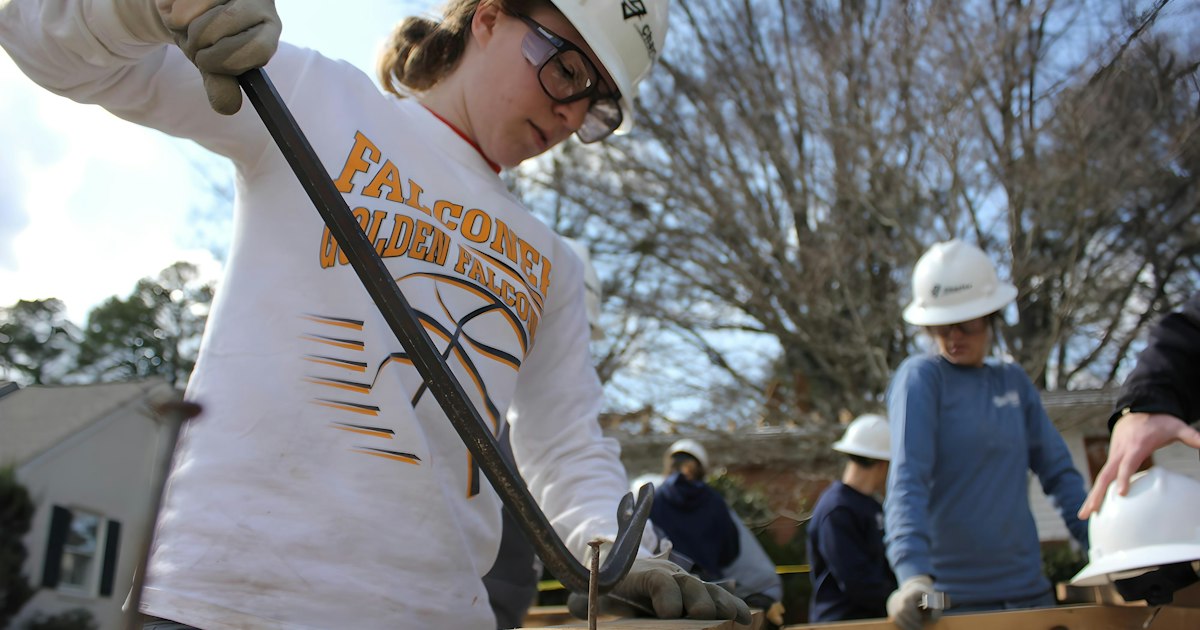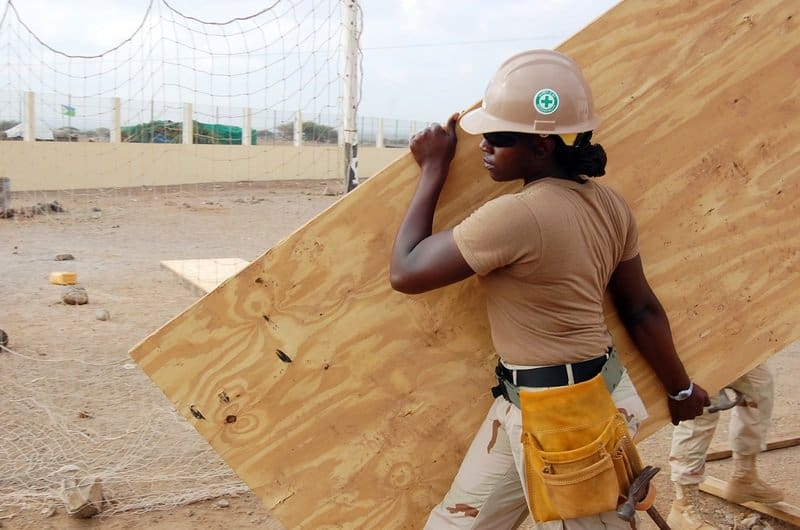
Women in trades remain one of the most underused talent pools in the UK economy. Despite decades of equal-opportunities legislation, skilled manual roles such as plumbing, electrical installation and carpentry are still overwhelmingly male. With construction facing a severe skills shortage and an ageing workforce, the case for attracting, training and retaining more women in trades has only become more pressing. Women in Business: Key UK Facts sets out the wider picture; this article looks at why the trades matter and what has to change.
The scale of the gender gap
Office for National Statistics (ONS) data from 2024 shows that women make up around 16% of people employed in construction. That is a record high, but the figure is heavily concentrated in office-based, professional and managerial roles. On building sites and in customers’ homes, the picture is starker. In these on-site skilled trades, women remain a tiny minority among electricians, plumbers, heating engineers and carpenters.
The gap is not simply a reflection of women’s preferences. Research by the Chartered Institute of Building (CIOB) and the Equality and Human Rights Commission has repeatedly found that outdated stereotypes, a lack of visible role models, poor-quality careers advice and workplace cultures that range from unwelcoming to hostile all keep women out. Until these barriers are tackled, the UK will continue to draw its skilled trades workforce from less than half the population.
The economic case for change
The UK cannot afford to ignore this untapped talent pool. The Construction Industry Training Board’s most recent Construction Skills Network forecast, published in 2024, estimates that the industry will need an additional 251,500 workers over the next five years to meet demand from housing, infrastructure and net-zero retrofit programmes. At the same time, large numbers of experienced tradespeople are retiring. Recruiting more women is one of the fastest ways to close that gap without relying solely on overseas labour.
Diverse teams also tend to be more productive and innovative. UK employer surveys and research from the Chartered Institute of Personnel and Development link inclusive workplaces to better problem-solving, stronger staff retention and improved customer relations. In a sector where small firms compete on reputation and reliability, those advantages translate directly into growth.
Safety, wellbeing and better kit
A more diverse workforce can improve health and safety outcomes. Women entering trades often report that standard personal protective equipment (PPE), tools and welfare facilities are designed for male bodies, increasing the risk of injury and discomfort. The Health and Safety Executive has made clear that employers must provide PPE that fits the wearer properly, regardless of gender.
Beyond physical kit, mixed teams can encourage a more open safety culture in which near-misses are reported and risks are challenged. Given that construction still accounts for a high share of workplace fatalities and serious injuries, any change that raises safety standards benefits everyone.
Service delivery and customer trust
Women tradespeople can open up markets that many male-led firms struggle to reach. Consumer research and specialist networks such as Stopcocks Women Plumbers show that significant numbers of women, particularly older women, single parents and survivors of domestic abuse, feel safer and more comfortable inviting a female tradesperson into their home. As the UK population ages and more people live alone, demand for trustworthy, respectful home services will only grow.
A workforce that reflects the community it serves is also better placed to understand customer needs, communicate clearly and build long-term loyalty. For micro-businesses and sole traders, that reputation is a powerful competitive asset.
Role models and routes for women in trades
Visibility is critical. When girls and young women see women running successful plumbing, electrical or building businesses, the trades become a realistic career choice rather than an exception. Building a Successful Career as a Woman in Manual Trades outlines the practical steps, while our profile of a Bristol trainer shows how one woman is bringing the next generation through.
Employers and training providers can do more by:
- offering flexible apprenticeships and part-time routes for carers and returners;
- ensuring recruitment imagery and language are genuinely inclusive;
- providing site facilities that respect privacy and dignity;
- tackling harassment and banter that crosses the line into bullying; and
- promoting clear progression paths from apprentice to business owner.
Government initiatives such as T Levels, Skills Bootcamps and the apprenticeship levy can help, but only if colleges and employers actively encourage women to apply and then support them to complete their training.
What needs to happen next
Closing the gender gap in trades requires coordinated action. Policymakers should collect and publish better data on women in specific trades, not just the construction sector as a whole. Employers must audit their recruitment, PPE, facilities and culture. Schools and careers advisers need up-to-date information about modern trade careers, including self-employment and the earning potential of skilled trades.
Above all, the industry must stop treating women in trades as a diversity add-on and start recognising them as essential to solving the UK’s skills crisis.
The argument is no longer only about fairness. It is about economics, safety, customer service and the future of the UK’s built environment. Bringing more women into the trades is not a nice-to-have; it is a business and social imperative. The tools, training pathways and networks already exist. What is needed now is the will to use them.