While many UK industries have made real progress on gender balance, women in construction UK remain underrepresented. According to the House of Commons Library’s 2025 Women and the Economy briefing, women hold around 16% of jobs in construction, only a modest improvement on a decade ago. Manufacturing fares somewhat better, with women making up roughly 28% of the workforce.
But the picture is not static. The pipeline is slowly diversifying: Go Construct reports that, as of 2025, 37% of new entrants to the industry from higher education are women. The challenge is converting that early interest into long-term, fulfilling careers. For broader context on women in the UK economy, see our Women in Business: Key UK Facts page.
Why Women in Construction UK Remain Underrepresented
Outdated Stereotypes and Poor Visibility
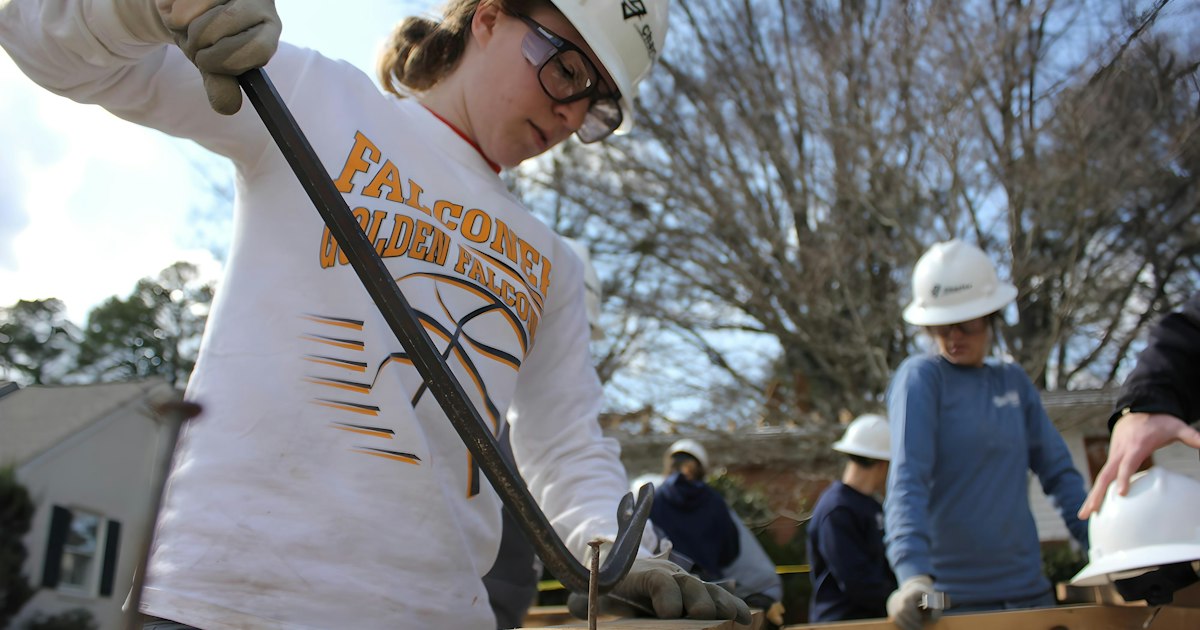
A large part of construction’s gender diversity problem starts long before the job interview. Many women simply do not see the industry as a place for them. Decades of advertising and media coverage have reinforced a narrow image of construction: men in hard hats doing physically demanding work on site. In reality, the sector spans project management, surveying, engineering, architecture, sustainability, building information modelling, procurement and commercial roles, many of which are office-based or hybrid.
The language used in job adverts can also be off-putting. Research by the Behavioural Insights Team and the Government Equalities Office has shown that masculine-coded words such as “dominant”, “competitive” and “assertive” can discourage women from applying, even when they are qualified. Without inclusive outreach, work-experience placements and visible female role models, talented women rule themselves out before they ever submit a CV.
Harassment, Discrimination and Exclusionary Culture
Workplace culture is another significant barrier. A 2021 Randstad survey found that 72% of women in construction had experienced gender discrimination at work, while CIOB research from 2021 reported that 38% of women in the industry had faced discrimination in the previous year. Harassment, from inappropriate comments on site to more serious misconduct, remains a recurring theme in industry reports and can drive women out of the sector.
Practical issues reinforce the sense that construction is not designed for women. Ill-fitting personal protective equipment, a lack of suitable welfare facilities on smaller sites, and inflexible working patterns all signal that women are an afterthought. Until these basics are addressed, retention will continue to lag behind recruitment.
The Career Pipeline and Progression Gap
Although more women are studying construction-related subjects, they remain underrepresented in senior roles in UK construction firms. Without clear pathways to leadership, mentoring and transparent pay structures, the industry risks losing experienced women to sectors where progression feels more achievable. For more on reporting obligations and pay transparency, see our guide to Gender Pay Gap Reporting 2026. For practical advice on entering the trades, read our article on building a successful career as a woman in manual trades.
Why UK Construction Needs More Women
Closing the gender gap is not just a matter of fairness; it is an economic and operational necessity.
An Ageing Workforce
The UK construction workforce is getting older. ONS data from 2025 shows that around one in five construction workers is aged 55 or over, and the Chartered Institute of Building has long warned that the industry is heading for a retirement cliff. As experienced workers leave, the sector must replace both their numbers and their expertise. Tapping into the female talent pool is one of the most obvious ways to do that.
A Persistent Skills Shortage
The sector’s labour pressures are compounded by a severe skills shortage. The CITB’s Construction Skills Network 2026 forecast estimates that the UK will need more than 250,000 additional construction workers over the coming five years to meet demand. The most acute needs are expected in wood trades, technical staff, construction managers and professional roles.
With demand this high, widening the talent pool to include more women, older workers returning to work, and people from minority ethnic backgrounds is essential if the industry is to build the homes and infrastructure the UK needs.
Innovation, Safety and Commercial Advantage
Beyond headcount, diverse teams perform better. Mixed-gender teams tend to be more innovative, make better decisions and are more likely to reflect the communities they build for. There is also evidence that greater diversity can improve site safety and risk management, because varied perspectives help identify hazards that homogeneous teams may overlook.
Clients and public-sector buyers are increasingly assessing social value and equality, diversity and inclusion credentials when awarding contracts. Firms that fail to diversify risk missing out on work as well as talent.
Diversity in Construction: A Matter of When, Not If
Change in construction has been slow, but it is happening. Trade bodies, large contractors and specialist networks such as Women into Construction and the National Association of Women in Construction are pushing for better representation, improved site facilities and more inclusive recruitment practices.
For individual employers, the starting points are clear:
- Review job adverts for biased language and imagery.
- Ensure PPE, site welfare facilities and working patterns fit all workers.
- Set transparent progression, mentoring and pay frameworks.
- Take reports of harassment and discrimination seriously, with clear consequences.
By opening the industry’s doors to women in construction UK and other underrepresented groups, construction can access the skills, perspectives and resilience it urgently needs. The question is no longer whether the sector should become more diverse, but how quickly it can make that change a reality.