If you run a business in the UK, your website is often the first place a potential customer, investor, or partner will look before they ever pick up the phone. Website presentation is not a cosmetic extra. It shapes whether visitors trust you, understand what you offer, and decide to buy. With 5.5 million small businesses in the UK, according to the Federation of Small Businesses’ 2024 Small Business Statistics, and 1.6 million women-led businesses reported in the 2023 Alison Rose Review of Female Entrepreneurship progress update, a polished website is one of the fastest ways to stand out. For the broader picture, see our Women in Business: Key UK Facts page.
This article sets out why investing in your website presentation pays off, what UK women in business should focus on, and how to turn your site into a practical asset rather than a digital brochure.
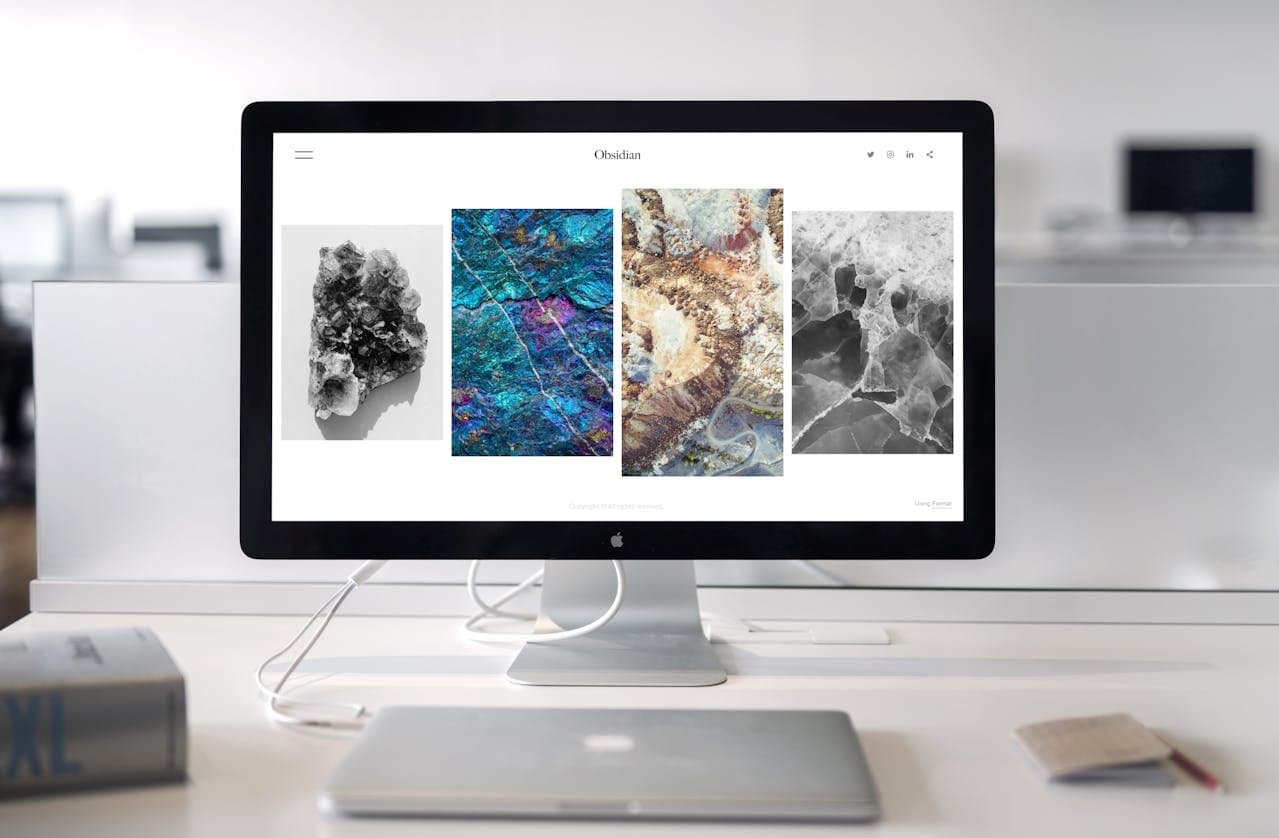
Treat your website as your shop window
For most UK consumers, the first impression of your business happens online. People judge a company’s credibility within seconds of landing on its homepage. If your site looks outdated, loads slowly, or does not work well on a mobile phone, visitors are likely to leave and choose a competitor.
This matters because online spending remains a major channel for UK retail. ONS data for 2024 shows that internet sales accounted for around 26% of total retail spending in Great Britain. Even if you do not sell directly through your site, potential customers will use it to check your credentials, compare prices, and decide whether to contact you. A well-presented website signals that you are active, professional, and worth their time.
Use website presentation to keep visitors engaged
Once someone lands on your site, you have a short window to keep them there. Clear navigation, fast loading times, and mobile-friendly design all reduce the chance that visitors will click away. For UK consumers browsing on smartphones, a slow or poorly formatted site is often enough to send them straight to a competitor.
To keep visitors engaged, focus on:
- Clean, modern design: use plenty of white space, consistent fonts, and a colour palette that reflects your brand.
- High-quality visuals: invest in professional photography or well-designed graphics rather than relying on generic stock images.
- Simple navigation: make it obvious how to find your services, prices, contact details, and booking options.
- Fast performance: compress images, use reliable hosting, and test your site speed regularly.
Build trust and credibility on your site
Trust is especially important for women-led businesses that may be competing against larger, more established competitors. Your website can level the playing field by showcasing expertise, social proof, and transparency.
Include testimonials from UK clients, case studies that explain the results you have delivered, and clear information about who you are and how you work. If you hold professional accreditations, memberships of organisations such as the Federation of Small Businesses or your local Chamber of Commerce, or certifications such as B Corp status, display them prominently. These details reassure visitors that you are a legitimate business.
You should also make your contact information easy to find. A physical address, phone number, and links to your social media profiles all help to build confidence. If you are a limited company, include your company registration number as required by UK company law.
Strengthen your brand through your website
Your website is one of the few places online where you have complete control over how your business is presented. Use that control to communicate your brand values, tone of voice, and what makes you different. For women founders, this is a chance to tell your story authentically and connect with customers who share your values.
Consistency is key. Your logo, colours, fonts, and messaging should match across your website, email newsletters, and social media. This consistency makes your business more memorable and helps to build recognition over time. If you are unsure where to start, our guide to building a brand in competitive digital markets offers practical steps.
Meet UK legal requirements on your website
Website presentation is not only about marketing. Under the Equality Act 2010, service providers in the UK must make reasonable adjustments to ensure disabled people can access their services. This includes making your website accessible to people using screen readers, keyboard navigation, or other assistive technologies.
Public sector bodies must meet specific accessibility regulations, but private businesses also risk legal action if their sites discriminate against disabled users. Practical steps include adding alt text to images, ensuring sufficient colour contrast, using clear headings, and making forms easy to complete. The Equality and Human Rights Commission provides guidance on what reasonable adjustments look like in practice.
If you sell online, you also need to comply with the Consumer Contracts Regulations 2013 and the Consumer Rights Act 2015. This means providing clear information about pricing, delivery, returns, and cancellation rights before a customer completes a purchase.
Support growth and funding ambitions online
A strong website can also help you access funding and growth opportunities. Investors, grant panels, and lenders increasingly expect to see a professional online presence before they commit capital. The British Business Bank and programmes such as Innovate UK often assess the commercial viability of a business partly through its digital footprint.
For women founders seeking investment, your website is a supporting document for your pitch. It should back up the claims in your business plan and pitch deck with evidence of traction, customer testimonials, and clear service descriptions. Our pitch deck guide for female founders explains how to align your online presence with your funding story.
Take practical action steps for your website
- Audit your current website on mobile, tablet, and desktop to identify presentation weaknesses.
- Check your site speed using a free tool and fix the biggest issues first.
- Review your homepage to ensure it clearly states what you do, who you serve, and what visitors should do next.
- Add or update testimonials, case studies, and professional accreditations.
- Test your site for accessibility using a free checker and address the highest-priority barriers.
- Make sure your contact details, company number, and legal policies are visible and up to date.
Make website presentation a long-term priority
Investing in website presentation is one of the most practical steps a UK woman in business can take to attract customers, build credibility, and stay competitive. With millions of small businesses operating in the UK, a polished, accessible, and mobile-friendly site helps you make the right first impression and convert visitors into buyers. Start with a clear audit, focus on the changes that matter most to your customers, and treat your website as a living part of your business rather than a one-off project.