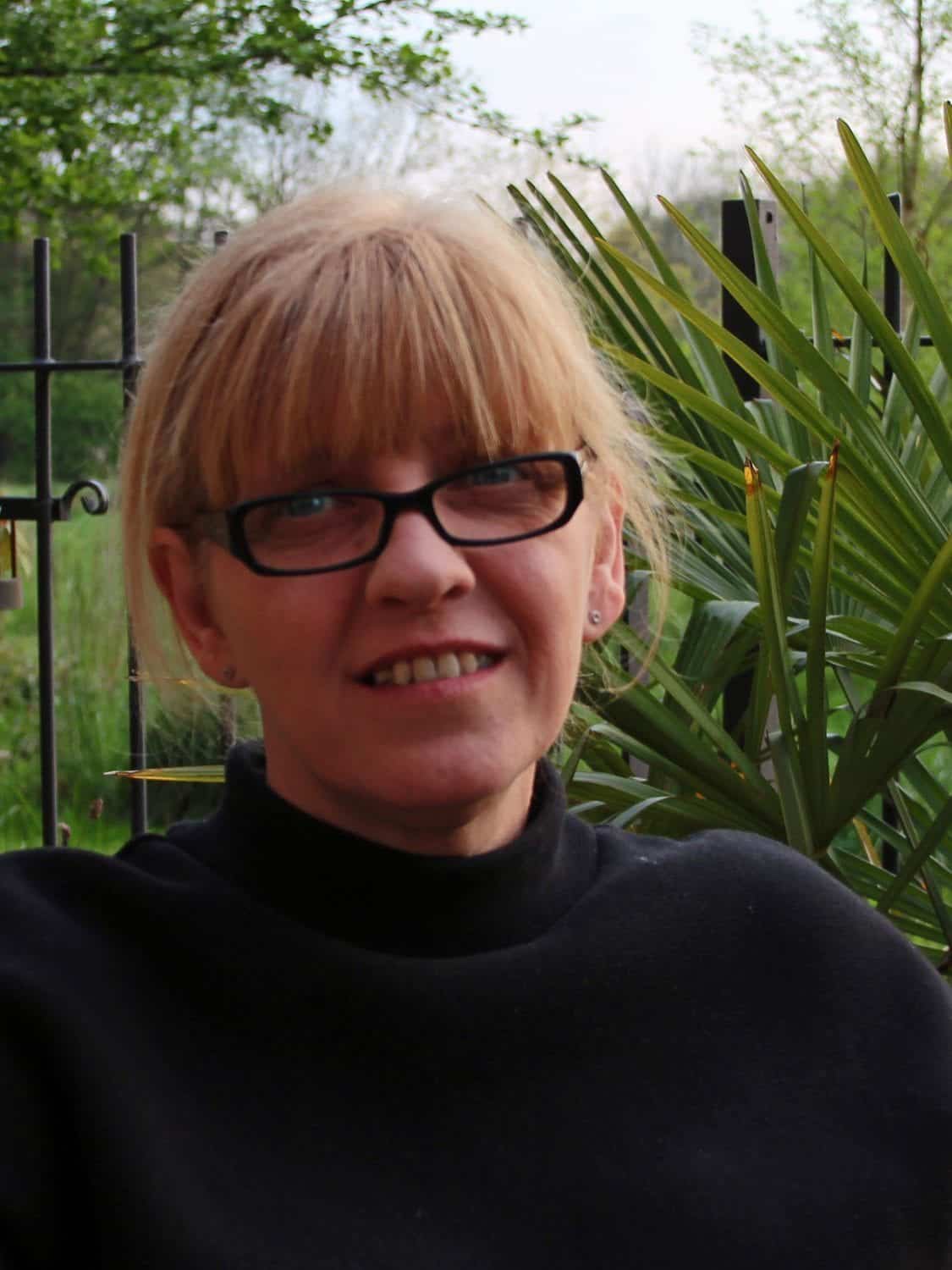
After seventeen years in a fast-paced corporate organisation, managing a team of 30 people across the UK, I decided to start a business from home. I had always been drawn to accessories with a vintage or unusual twist, so I set up an online store for women who felt the same. That decision turned a demanding but well-paid career into a home-based business built around something I genuinely cared about.
Leaving behind a senior salary and the security of a large organisation is not a step anyone should take lightly. In my case, the choice came down to income versus quality of life. The corporate world had been exciting, but it was also relentless. Looking back from 2026, becoming self-employed was one of the best decisions I have made. The small sacrifices, fewer impulse purchases used to cheer myself up after a draining week, were quickly outweighed by the freedom to make my own decisions and be the mistress of my own destiny. The journey has been challenging, but it is one I have relished every day.
I was 46 when I made the leap, having spent my corporate life as a Sales Operations Manager. That background gave me a solid understanding of how a business actually runs. Large organisations and tiny start-ups operate on many of the same principles, and I was able to apply what I knew about business planning, prospecting, forecasting and cash flow to my own venture. I was also fortunate to have a supportive partner who was patient while I worked through the steep learning curve of setting up an online store.
Why it still makes sense to start a business from home
My experience is far from unusual. According to ONS labour market data from 2025, around 4.4 million people in the UK are self-employed, and women are one of the fastest-growing groups. The Federation of Small Businesses reported in 2024 that roughly 44% of UK SMEs are home-based, while ONS retail figures from early 2026 show that online sales account for around a quarter of total retail spending. For anyone considering a similar move, the infrastructure for home-based e-commerce has never been more accessible.
The trend is particularly strong among older women. ONS analysis shows self-employed women over 50 are on the rise, often after decades in corporate roles. Many, like me, trade a senior salary for control over their time, their commute and their creative direction.
That said, the formalities have tightened since I started. From April 2026, self-employed people with turnover above £50,000 must join Making Tax Digital for Income Tax Self Assessment, keeping digital records and submitting quarterly updates through HMRC-approved software. Anyone registering a limited company must also complete Companies House identity verification, a requirement introduced in 2025. These changes do not need to be intimidating, but they do need to be on your checklist from day one.
What my new business looks like
The business I launched was an online accessories boutique specialising in costume jewellery, scarves and handbags for women looking for something vintage-inspired or a little different. I operated from home as a team of one, which kept overheads low and gave me complete control over the brand. I chose to launch in January because it forced me to get to grips with every aspect of the start-up process quickly.
Much of my early work involved sourcing products and suppliers to create an eclectic, carefully curated range. As well as selling through the website, I attended local women’s events and pop-ups. These were invaluable: they let me meet customers face to face, understand their style preferences and use that feedback to broaden the range.
What the toughest challenges have been
Coming from a large corporate environment, the biggest adjustment was working from home on my own. At first, I missed being able to bounce ideas off colleagues or get a quick second opinion. Over time, I developed the confidence to make informed decisions independently. That shift, from relying on a team to trusting your own judgement, is one of the most important transformations any new founder goes through.
Isolation is a common issue for home-based business owners. The Federation of Small Businesses and other trade bodies regularly report that loneliness is a significant challenge for the self-employed, especially those working alone. Building a support network, whether through local enterprise groups, online forums or co-working days, is essential.
The best piece of advice I can give
Networking provided me with invaluable support in the early months. I would advise anyone starting a business to join relevant forums and speak with like-minded people for honest, constructive feedback. The insight you gain from others who have already made the leap can save you time, money and a great deal of stress.
It is also worth getting the formalities right from day one. Registering as self-employed with HMRC, keeping clear financial records and understanding your tax obligations may not be glamorous, but they are the foundations that keep a business healthy. If you are unsure where to begin, our First Self Assessment Tax Return: A Sole Trader Guide walks through the essentials.
What drives me forward
I value hard work and tenacity in everything I do. I firmly believe that if you really want something and you are prepared to put in the time and effort, you will succeed. In business, your biggest asset is your customers. Everything I did was focused on enhancing their experience and building a relationship based on trust.
Where the high points come from
For me, the real high points came from direct customer feedback. Hearing from women who had bought from me and were delighted with their purchases was, and remains, the most rewarding part of the business. Positive feedback is not just a morale boost; it is proof that you are building loyalty and trust with your customer base. That loyalty is what turns a one-off sale into a sustainable business.
First steps if you are considering the same move
- Run the numbers. Work out how much you need to earn each month and how long your savings can cover the gap.
- Register with HMRC as self-employed within three months of trading, or set up a limited company through Companies House if that structure suits you better.
- Open a separate business bank account and record every expense from day one.
- Find your people. Join a local women’s business network or an online forum before you feel isolated.
- Start small. Test your product or service with real customers before committing to large stock orders or long contracts.
Leaving corporate life to start a business from home is not easy, but it is possible. With the right preparation, a willingness to learn and a strong network around you, it can also be one of the most rewarding decisions you ever make.