Last week my teenage daughter answered my work phone and told the caller, a new client, that I was “probably still in my pyjamas.” She was right. I had been at my desk since 7am, but I was still in loungewear at 9.30am when the doorbell rang. I opened it expecting a delivery. It was another client, dropping off documents. Both laughed it off. I did not.
Running a business from home blurs lines that office-based workers take for granted. When your kitchen is your boardroom and your hallway is your reception, professionalism does not happen by accident. It needs structure. Here is what I am putting in place, and what the rules say you can claim while you do it.
Why boundaries matter for women running a business from home
Homeworking is now a permanent feature of UK working life, but the risks have not disappeared. Without clear boundaries, you can look unprofessional to clients, struggle to switch off from work, and miss tax reliefs you are entitled to. For women founders and self-employed professionals, who already face a gender pay gap and lower rates of external funding, these small leaks of time, money and credibility add up.
The good news is that the UK framework has caught up with homeworking. The Employment Relations (Flexible Working) Act 2023 gives employees the right to request flexible working from day one. If you employ staff, you must deal with requests in a reasonable manner and within two months. For the self-employed, the rules are different but the principle is the same: you are allowed to design a professional working day that happens to be at home. See our guide to Flexible Working Rights UK 2026: What Women Need to Know.
Create a workspace that signals work
My first mistake was having no dedicated workspace. My laptop moved between the kitchen table and the sofa, and so did my mindset. If you have the space, a separate room is ideal. If you do not, even a consistent corner with a proper desk, good light and an ergonomic chair changes how you feel and how you are perceived on video calls.
A garden office is one option that has become more popular. It creates physical separation without a commute, and it can add value to your property. If you are renting it out later, it may also produce taxable rental income, so keep records from the start. For most home-based businesses, the simpler route is to claim the costs of using your home as an office.
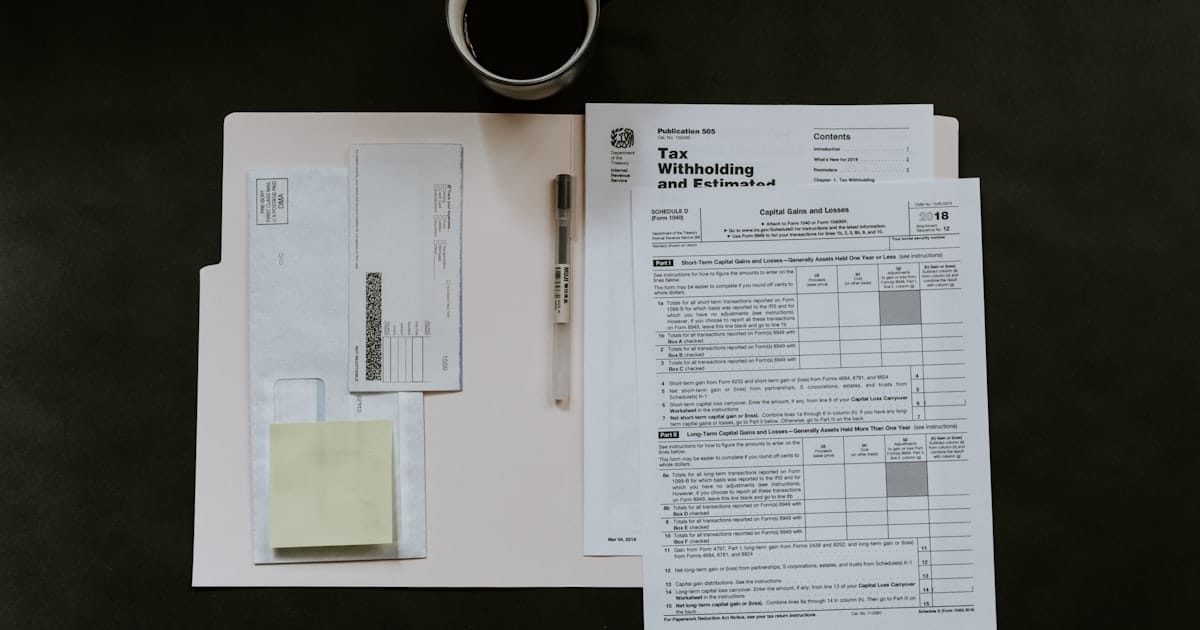
Claim HMRC home working expenses
HMRC allows self-employed people to claim expenses for using their home for business. You can either claim a flat-rate simplified expense based on the hours you work from home each month, or claim a proportion of your actual household costs.
For 2026/27, HMRC’s simplified expenses flat rates for working from home are:
- 25 to 50 hours a month: £10
- 51 to 100 hours a month: £18
- 101 or more hours a month: £26
Alternatively, you can work out the actual business proportion of costs such as heating, electricity, council tax, mortgage interest or rent, and internet. The calculation must be reasonable and you need records to support it. See our guide to Home Working Expenses Self Employed Can Claim Through HMRC for the full rules.
Separate your business phone from your home phone
My second mistake was using one phone line for work and family. A teenager answering a client call is funny once. It is not a professional first impression. Internet-based phone services, often called VoIP, mean you no longer need a second physical line. You can get a business number with a UK area code of your choice, route it through your broadband, and take it with you if you travel or move.
This matters for credibility. A dedicated business number, a professional voicemail greeting, and clear office hours tell clients you are running a business, not a hobby. It also protects your privacy: you do not need to give your personal mobile to every supplier or customer.
Dress for the day you want to have
Between 9am and 5pm, I now get dressed for work. Not necessarily a suit, but something I would be happy to open the door in. The act of changing clothes creates a mental boundary between “at home” and “at work”. It also means I am ready for an unexpected video call or visitor.
This is not about judging anyone who prefers pyjamas. For some people, especially those fitting work around caring responsibilities, flexible hours and casual dress are the whole point of self-employment. But if you are finding that clients, family or your own concentration are not taking your business seriously, clothing is a simple signal you can control.
Set office hours and stick to them
My third mistake was letting work bleed into every hour. When your office is ten seconds from your bedroom, it is easy to answer emails at 10pm or start admin at 6am. Over time that erodes focus and wellbeing. I now publish clear office hours on my website, email signature and voicemail.
If you employ people who work from home, remember that the Working Time Regulations 1998 still apply. Staff should not work more than 48 hours a week on average unless they opt out, and they are entitled to rest breaks. If you employ staff aged 21 and over, you must also pay at least the National Living Wage. From April 2025 the government-set rate is £12.21 per hour, though it is usually reviewed each April. See our guide to National Living Wage £12.21: what women founders pay.
Keep your records ready for Making Tax Digital
From April 2026, self-employed individuals and landlords with business turnover above £50,000 will need to follow Making Tax Digital for Income Tax Self Assessment. This means keeping digital records and sending quarterly updates to HMRC using compatible software. If you are running a business from home, now is the time to separate your business and personal finances, set up a digital bookkeeping system, and get into the habit of recording income and expenses as they happen.
Our Making Tax Digital Sole Trader: 2026 Checklist for Women sets out the deadlines and software options.
Six steps to professional homeworking
- Define one physical workspace in your home and equip it properly.
- Get a dedicated business phone number using a VoIP service.
- Set and publish your office hours.
- Decide whether to use HMRC’s simplified expenses or actual-cost method for home working, and keep records.
- Prepare for Making Tax Digital by April 2026 if your turnover is above £50,000.
- Dress for work during working hours, even if you work alone.
Running a business from home should give you freedom, not embarrassment. A few clear boundaries protect your professionalism, your tax position and your sanity. My daughter can answer the home phone again. The business line is mine.