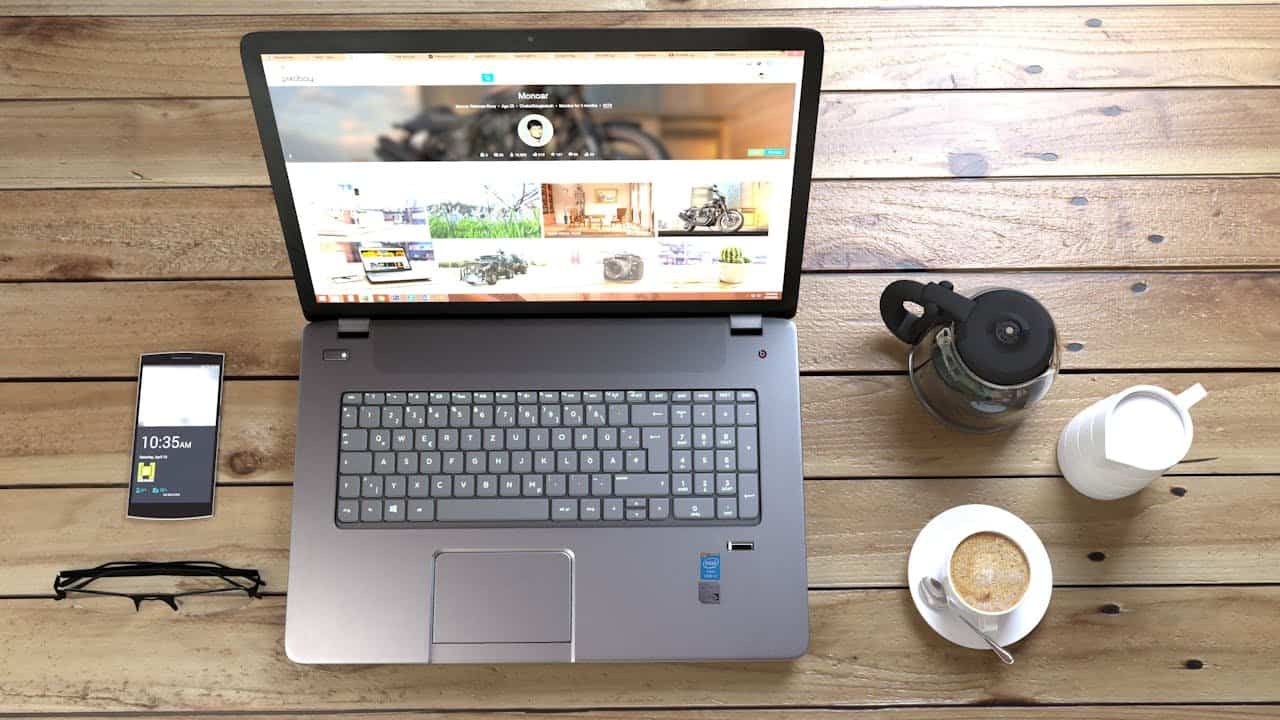
If you run a business from a studio, shop, co-working desk or home office, the state of your workspace sends a message to every client, employee and supplier who walks through the door. It also affects your own health, focus and legal exposure. This is why it is important that you keep your office space clean and well maintained. A tidy workplace is not simply a nice-to-have; under UK health and safety law it is part of your duty as an employer or self-employed business owner.
With women running more UK businesses than ever, the basics of workspace management deserve more attention than they often get. Whether you employ a team or work alone, the following points explain why cleanliness should sit near the top of your operational to-do list.
Keep your office space clean to meet UK law
The Health and Safety at Work etc. Act 1974 requires every employer to ensure, so far as is reasonably practicable, the health, safety and welfare at work of all employees. That includes keeping the workplace clean, well ventilated and in good repair. The Workplace (Health, Safety and Welfare) Regulations 1992 go further, setting specific requirements for cleanliness, waste disposal, lighting, heating and floor conditions.
If you are self-employed and your work could affect the health and safety of others, the same Act applies to you. Local authorities and the Health and Safety Executive can inspect premises, issue improvement notices and prosecute for serious breaches. Fines are now calculated as a percentage of turnover and can run into tens or even hundreds of thousands of pounds for larger businesses. For a small women-led business, even a modest fine plus legal costs can wipe out months of profit.
Cleanliness cuts sickness absence
Shared desks, door handles, kitchen surfaces and equipment are transmission routes for colds, flu and norovirus. The Health and Safety Executive estimates that in 2023/24 around 1.8 million workers in Great Britain were suffering from work-related ill health, and 35.2 million working days were lost to work-related ill health and injury combined. While not all of this is avoidable through cleaning alone, poor hygiene is a known contributor to preventable absence.
ONS data for 2024 puts the UK sickness absence rate at around 2.6 per cent of all working hours. For a micro-business with five employees, that equates to roughly one person missing more than a week of work each year. A regular cleaning schedule, hand-washing supplies and clear desk policies reduce the chance that one infection spreads through the whole team.
A tidy workspace protects productivity and focus
Clutter competes for attention. Research consistently links tidy, organised workspaces with better concentration and lower stress. In a small business where you may be switching between sales, operations, finance and marketing in a single afternoon, every unnecessary distraction costs money. Does a Clean Workspace Really Impact Your Productivity? looks at the evidence in more detail.
The practical fix is to build cleaning into routines rather than treating it as an occasional deep clean. Five minutes at the end of each day to file paperwork, wipe surfaces and reset shared areas creates a calmer start the next morning. If you work from home, the same principle applies: a clear boundary between work and living space helps you switch off at the end of the day.
Clean offices build client trust and company culture
First impressions are formed within seconds, and your office is part of your brand. A clean reception area, tidy meeting room and well-kept washrooms signal that you pay attention to detail. For women founders who may already face unconscious bias in pitching and procurement, a polished workspace is one more way to project competence.
Culture works in the same direction. Employees notice whether bins are emptied, kitchens are hygienic and broken fittings are repaired. Small wellness improvements, including cleanliness, show that you value the people who work for you. That matters for retention at a time when recruitment is expensive and competition for talent is high.
Good housekeeping reduces slips, trips and falls
Slips, trips and falls remain the most common cause of non-fatal workplace injury reported to the Health and Safety Executive. Trailing cables, boxes left in walkways, spilled drinks and worn floor coverings are all preventable hazards. The HSE reports that in 2023/24 there were around 561,000 non-fatal injuries to workers, many of them leading to time off work.
Preventing these injuries protects your people and your bank balance. Employers’ liability insurance is a legal requirement once you have staff, but premiums can rise after claims. For sole traders, an injury in your own workspace can stop you trading altogether. A quick daily walk-around to spot hazards takes minutes and can save weeks of lost income.
Follow a simple office cleanliness checklist
- Assign responsibility. Name one person, even if it is yourself, to own the cleaning rota and stock checks.
- Schedule daily, weekly and monthly tasks. Daily surface wiping, weekly thorough cleans and monthly checks on ventilation, filters and appliances.
- Keep records. A simple logbook proves you are taking reasonable steps if an inspector visits or an insurance claim arises.
- Review your contract. If you rent co-working space or a serviced office, check what cleaning is included and what is your responsibility.
- Home workers: claim allowable expenses. If you are self-employed and work from home, some cleaning and utility costs may be allowable as home working expenses.
A clean office is a sound business investment
The decision to keep your office space clean is about more than appearances. It keeps you on the right side of UK health and safety law, reduces sickness absence, protects productivity and creates a workplace where people feel respected. For women running businesses in the UK, that is a practical investment with a clear return.