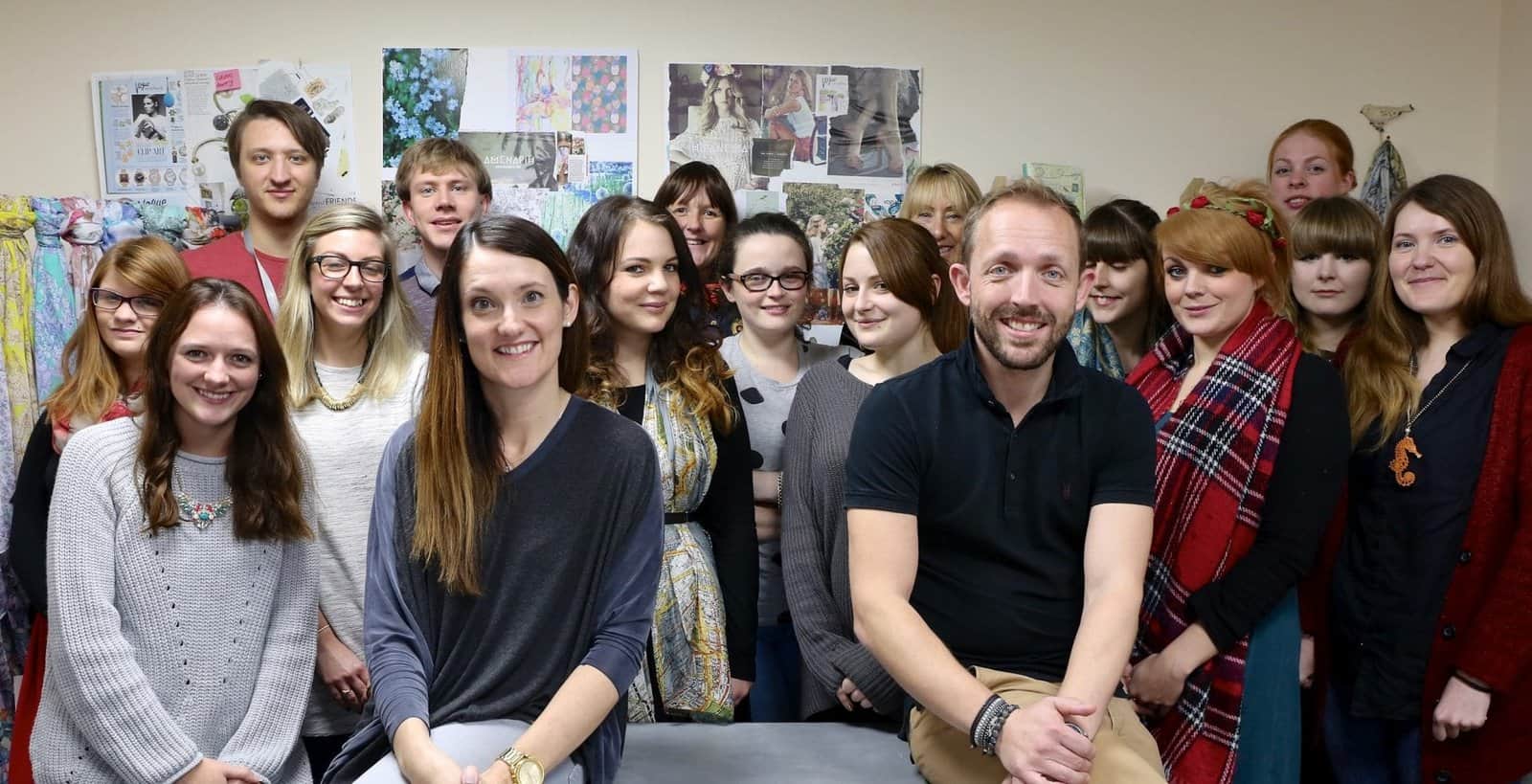

Lisa Angel found it difficult to get professional support for her jewellery and accessories business when she launched from home. With relational business support and coaching, she built a thriving UK brand. Her story shows why accessible, tailored advice matters for women entrepreneurs.
When Prowess launched the Charter for Women in Business on International Women’s Day, the aim was to close the enterprise performance gap that holds back women-led firms and limits UK economic growth. In 2026, that mission is more relevant than ever. Backing women in business is not simply a question of fairness; it is one of the most effective ways to drive economic growth, innovation, and resilient local economies.
The UK has experienced a remarkable rise in women’s entrepreneurship. The Alison Rose Review of Female Entrepreneurship (2019) identified more than 1.6 million women-led SMEs in the UK. Female self-employment has also grown, with women increasingly turning to enterprise as a route to financial independence, flexibility, and creative fulfilment. Many choose entrepreneurship after career breaks or while managing caring responsibilities. These businesses span every sector, from tech and professional services to retail, care, and the creative industries.
Yet start-up numbers do not automatically lead to scaled, sustainable success. Women-led firms continue to face structural barriers that male-led firms do not. Access to finance is the most visible. All-female founder teams receive only around 2% of UK venture-capital investment, according to British Business Bank analysis (2022), and women are less likely to apply for bank loans or equity finance, often because of earlier discouraging experiences. The British Business Bank has found that women are less likely to use external finance and more likely to be discouraged borrowers, even when their businesses are creditworthy. The result is slower growth, lower turnover, and fewer jobs than the economy could otherwise expect.
The gap is not caused by a lack of ambition or capability. Women entrepreneurs are just as likely as men to want to grow, export, and employ. What they frequently encounter is business support that is not designed around their lives or trading patterns. Common obstacles include:
- Networking events held at times that clash with caring responsibilities.
- Finance products that require long trading histories or full-time working patterns.
- Advisers who unconsciously assume that a woman’s business is a hobby or side project.
- A lack of visible female role models and mentors in male-dominated sectors.
- Marketing and communications that fail to reflect the diversity of women entrepreneurs.
Removing these barriers does not require expensive new schemes. Small, intentional changes to the way support is planned and delivered can transform outcomes. That is the thinking behind the Charter for Women in Business.
What the Charter offers women in business
The Charter is a practical framework for professional advisers, including bankers, lawyers, accountants, trainers, coaches, and public-sector business-support providers, to improve how they engage with women entrepreneurs. Signatories commit to a code of practice, complete a self-assessment, and gain access to training and marketing tools that help them reach and serve the growing market of women in business more effectively.
Erika Watson, Prowess Director and MBE for services to women’s enterprise, says: “The women we work with tell us that being taken seriously is often the first hurdle. Relational, knowledgeable support can turn a kitchen-table idea into a significant employer. The Charter builds on international best practice and, crucially, on what women entrepreneurs say they need. We invite organisations to sign up and show their staff and customers that they are serious about sharing in women’s business success.”
Policy support for women entrepreneurs
The Alison Rose Review of Female Entrepreneurship and subsequent government progress reports have underlined the economic prize from backing women founders. In 2025, the government-backed Invest in Women Taskforce set out plans to increase funding for women-founded businesses, while the British Business Bank’s Start Up Loans programme and regional funds continue to prioritise underrepresented entrepreneurs. Local growth bodies are also expected to embed inclusive business support in their strategies.
But policy alone will not close the gap. The day-to-day experience of women entrepreneurs is shaped by the advisers, lenders, and trainers they meet. A bank manager who understands caring responsibilities, a lawyer who explains contracts plainly, a mentor who opens doors to networks: these interactions determine whether a business survives its first years and whether it scales. The Charter exists to make those interactions more consistently supportive.
The wider economic case
The benefits extend beyond individual firms. When women-led businesses grow, they create jobs in their communities, diversify local economies, and bring new products and services to market. Research also suggests that women-led firms are more likely to reinvest profits locally, adopt flexible working practices, and bring diverse perspectives to product development. The Rose Review of Female Entrepreneurship (2019) estimated that closing the entrepreneurship gender gap could add up to £250 billion to the UK economy. Even modest improvements in survival and growth rates would generate significant returns.
What your organisation can do now
Start by reviewing how your services are marketed and delivered. Ask honest questions: Are your networking events accessible? Do your finance products recognise non-traditional trading histories? Is your language inclusive? Do your advisers reflect the diversity of the entrepreneurs you want to serve? The Charter’s self-assessment helps organisations answer these questions and identify practical improvements.
Prowess continues to champion women’s enterprise through resources, advocacy, and the Charter. Whether you are a large institution or a sole-practitioner adviser, signing up sends a clear signal that you recognise the value of women-led businesses and are prepared to act.
International Women’s Day is a moment to celebrate progress, but it is also a reminder that progress is fragile. The business performance gap will not close by itself. It requires sustained commitment from everyone who supports enterprise in the UK. The Charter for Women in Business offers a ready-made way to make that commitment visible, and effective.
Practical actions to take today
- Review your current services through the lens of the Charter’s code of practice.
- Audit your marketing, event timings, and adviser language for inclusivity.
- Sign up to the Charter for Women in Business and complete the self-assessment.
- Train frontline staff to recognise and respond to the specific needs of women entrepreneurs.
- Measure progress by tracking engagement, application, and survival rates among women-led clients.