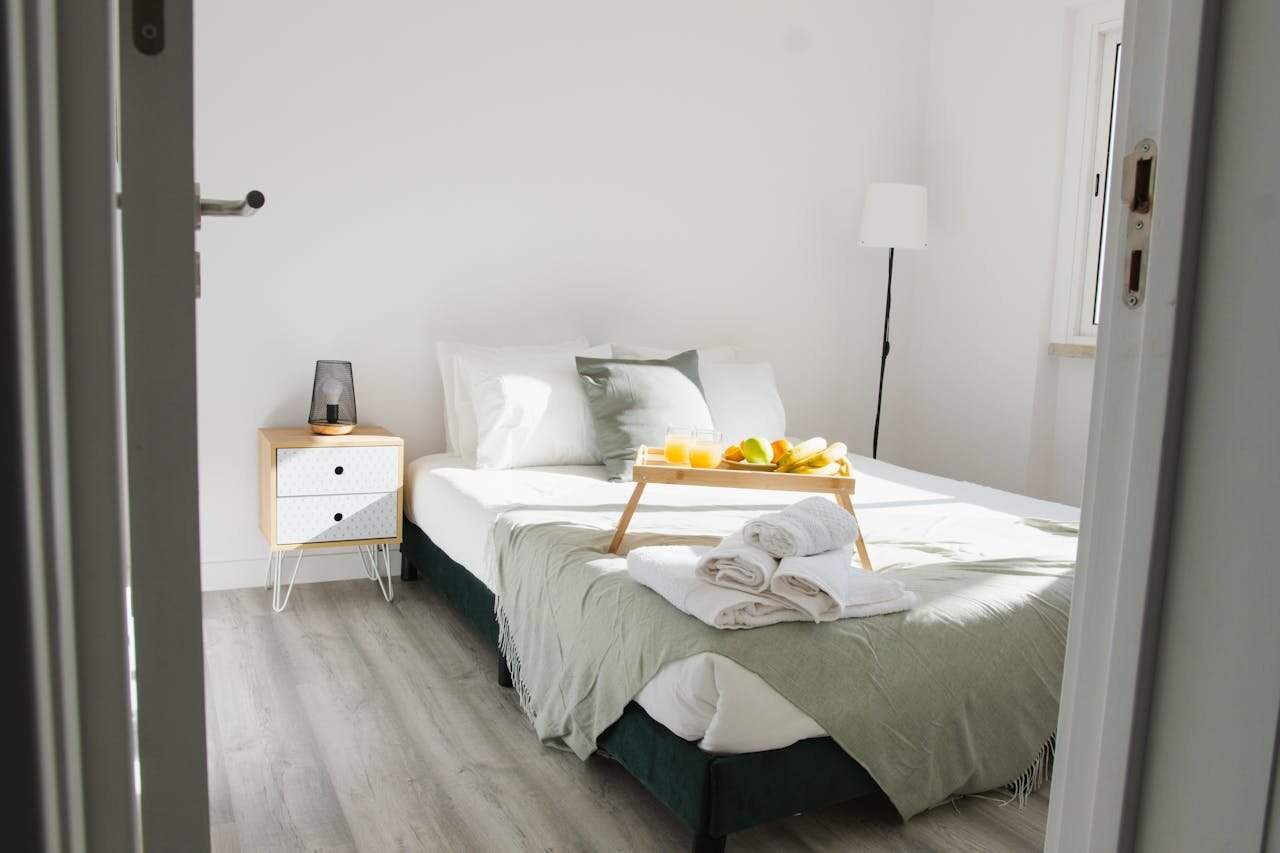
Running a short-term rental can feel like the ideal flexible business: you set the rates, choose the bookings, and work from home. For women in the UK, hosting on Airbnb, Booking.com, or Vrbo is one of the fastest ways to turn a spare room or investment property into income. Yet the reality often involves late-night guest messages, emergency cleaning, and calendar anxiety. Without clear boundaries, hosting becomes a 24/7 operation rather than a business.
This article sets out practical work-life balance strategies for UK Airbnb hosts, covering time management, delegation, tax efficiency, and the regulations that affect your schedule in 2026.
Work-Life Balance Strategies for UK Airbnb Hosts
Why Boundaries Matter for Women Hosts
Hosting is a form of self-employment. That means no paid holiday, no sick leave, and no set finish time. Many women hosts fit guest changeovers around caring responsibilities, another job, or study. The pressure to maintain a five-star rating can make it hard to switch off.
A sustainable hosting business needs the same boundaries as any other job. When you protect your time, you make fewer errors, respond to guests more professionally, and avoid the resentment that leads many hosts to quit. The goal is not to do less; it is to run the business so it does not run you.
Understand the UK Rules That Shape Your Schedule
Your workload is partly determined by the regulatory framework. Knowing the rules helps you plan realistic hosting hours and avoid last-minute compliance panics.
- Greater London 90-day limit: In most London boroughs, you cannot let out a residential property for more than 90 nights per calendar year under the short-term letting regime unless you apply for planning permission. Track your nights carefully if you host in the capital. Source: gov.uk planning guidance.
- Short-term lets registration scheme: From 2025, hosts in England must register their property with their local council under the new short-term lets registration framework. Registration includes safety and compliance checks, so build time into your calendar for inspections and paperwork. Source: Department for Levelling Up, Housing and Communities.
- Self Assessment deadline: If your hosting income exceeds the £1,000 trading allowance or £1,000 property allowance, you must register for Self Assessment and file by 31 January each year. Source: HMRC.
- Making Tax Digital: From April 2026, sole traders and landlords with turnover above £50,000 must keep digital records and submit quarterly updates through HMRC-compatible software. If your hosting income is approaching that threshold, start preparing your systems now. Source: HMRC.
For a full checklist on digital record-keeping, see our guide to Making Tax Digital for sole traders in 2026.
Time Management Techniques for Hosts
Good time management is the foundation of work-life balance. These techniques are designed around the irregular rhythm of hosting.
- Batch your tasks. Set two or three fixed times a day to answer messages rather than responding instantly. Guests rarely need an immediate reply; they need a clear one.
- Build a hosting calendar. Block out changeover days, maintenance windows, and your own downtime in one calendar. Treat personal commitments like any other booking.
- Use automation carefully. Airbnb, Booking.com, and Vrbo all allow saved message templates and automated check-in instructions. Use them for routine questions, but keep a human tone.
- Set a cut-off time. Decide that guest communication ends at 9pm unless it is an emergency. Put this in your house rules so guests know what to expect.
If you also work from home in another role, read our article on home working expenses you can claim through HMRC.
Delegate to Protect Your Time
You do not need to clean every toilet or answer every message yourself. Delegation is how part-time hosts scale without burning out.
- Outsource cleaning and laundry. A reliable cleaner is usually the first hire. Agree a checklist and a turnaround time so you are not micromanaging every changeover.
- Use a co-host or property manager. A co-host can manage guest communication, pricing, and troubleshooting. Airbnb allows you to add a co-host to your listing and split earnings automatically.
- Automate pricing. Dynamic pricing tools adjust your nightly rate based on demand, local events, and seasonality. This removes the daily decision-making that drains mental energy.
- Build a local supplier list. Have a plumber, electrician, and handyman ready before a guest reports a problem. A 24-hour response plan prevents you from handling emergencies alone.
Tax Efficiency and Financial Boundaries
Financial stress is one of the biggest drivers of overwork. Setting clear money boundaries helps you work smarter.
- Know your allowances. HMRC gives every individual a £1,000 trading allowance and a £1,000 property allowance. You can use one or the other for your letting income, but not both for the same source. If your gross income is below the relevant allowance, you may not need to declare it. Source: HMRC.
- Separate business and personal money. Open a dedicated business bank account or use a clear accounting label for all hosting income and expenses. This saves hours at tax time.
- Pay yourself properly. If hosting is your main income, decide on a monthly draw rather than treating every booking as spending money. For company structures, see how to pay yourself as a limited company director in 2026.
- Claim allowable expenses. Cleaning, laundry, repairs, insurance, and a proportion of utility costs can usually be offset against rental income. Source: HMRC.
For more detail, see our guide to allowable expenses for the self-employed in the UK.
Protect Your Health and Personal Life
Hosting is a hospitality business, but you are not on duty every hour. Protecting your wellbeing is a business decision, not a luxury.
- Schedule rest days. Block at least one full day a week with no check-ins, no cleaning, and no guest messages.
- Set physical boundaries. If you live in the property, lock your private rooms and make clear which spaces are for guests.
- Limit same-day turnovers. Where possible, leave a buffer between guests. Same-day changeovers are profitable but exhausting.
- Build a support network. Connect with other hosts through local business networks or women in business groups. Peer support reduces isolation and helps you solve problems faster.
For broader context on women running businesses in the UK, see Women in Business: Key UK Facts.
Action Steps for Better Hosting Boundaries
- Check whether your property is in a council area that requires short-term lets registration and complete the process.
- Track your letting nights if you are in Greater London to stay within the 90-day limit.
- Set two fixed message-checking windows each day and turn off notifications outside those times.
- Open a separate account for hosting income and list your allowable expenses.
- Prepare for Making Tax Digital if your turnover is near or above £50,000.
- Book one rest day a week with no hosting tasks.
Conclusion: Build a Sustainable Hosting Business
Work-life balance for UK Airbnb hosts is not about working less; it is about designing the business so it serves your life. By understanding HMRC rules, local regulations, and your own limits, you can build a hosting business that is profitable and sustainable. Start with one boundary this week: a fixed message time, a hired cleaner, or a single rest day. Small changes compound into a business you can run for the long term.