What do you want to be remembered for? If you are a woman running a business in the UK, the answer is rarely just revenue and growth. It is usually about legacy: a clear expression of the passion and purpose that drives you, and a way to influence someone else’s life for the better. Writing a book for business is one of the most effective ways to leave that legacy while building your personal brand and opening new commercial doors. Women-led businesses are a growing force in the UK economy, and a book can help you cut through the noise in a competitive market. For the latest figures, see our Women in Business: Key UK Facts page.
I never know what I think about something until I read what I’ve written on it.
William Faulkner
Becoming a published author can be genuinely life changing. Some of the best business decisions come from putting pen to paper, ordering your thoughts and letting your subconscious roam free. The process forces you to articulate what you stand for, and that clarity is valuable long before the book reaches its first reader.
Writing gives birth to ideas
Writing enables you to tell your story and connect with readers in a way that goes beyond traditional marketing. For women founders, this is a chance to shape the narrative around your expertise and build authority on your own terms. By organising your thoughts into a coherent book, you have the chance to examine what you, your business and your personal brand stand for.
A well-written, professionally produced book gives you instant credibility. It helps you stand out in a crowded market, captivate potential clients, put distance between you and your competitors, and open doors to speaking engagements, partnerships and new products or services.
Imagine your ideal prospect visiting your website to pre-qualify you. They discover that you are a published author. The title, cover and reviews speak volumes about your expertise in that moment, and can be the nudge that turns a browser into a buyer.
But before you rush off to pen your brand-building business book, there is an important caveat.
Take a reality check first
A book is part of your overall business strategy; it is not the strategy itself. When working with clients, the conversation always starts with the vision for their personal brand and business, and then considers how a book will bring that vision to life. Your book is a combination of business strategy, reader need and compelling content.
Authors rarely make money from book sales alone. The Authors’ Licensing and Collecting Society 2023 survey found that the median annual income for a professional author in the UK was just £7,000, down 38% since 2009. The key is to see your book as a product, not simply a creative outlet. Use your entrepreneurial mindset to visualise it as a tool designed to open opportunities. If one of your objectives is to become a paid speaker, for example, your book can lead the way to your first booking.
UK entrepreneurs such as Grace Beverley, author of Working Hard, Hardly Working, have shown how a book can anchor a wider brand ecosystem. Her publishing success feeds into her businesses, podcast and speaking profile, demonstrating that the real return often comes from the platform the book creates, not the royalties alone.
The publishing landscape has changed dramatically over the last decade. It is now far easier to self-publish in the UK through print-on-demand and ebook platforms such as Amazon Kindle Direct Publishing and IngramSpark. You can buy ISBNs through Nielsen BookData, the UK’s ISBN agency. At the time of writing in 2026, a single ISBN costs around £90, a block of 10 costs around £165, and a block of 100 costs around £370. If you publish a print edition you must deposit a copy with the British Library under the Legal Deposit Libraries Act 2003.
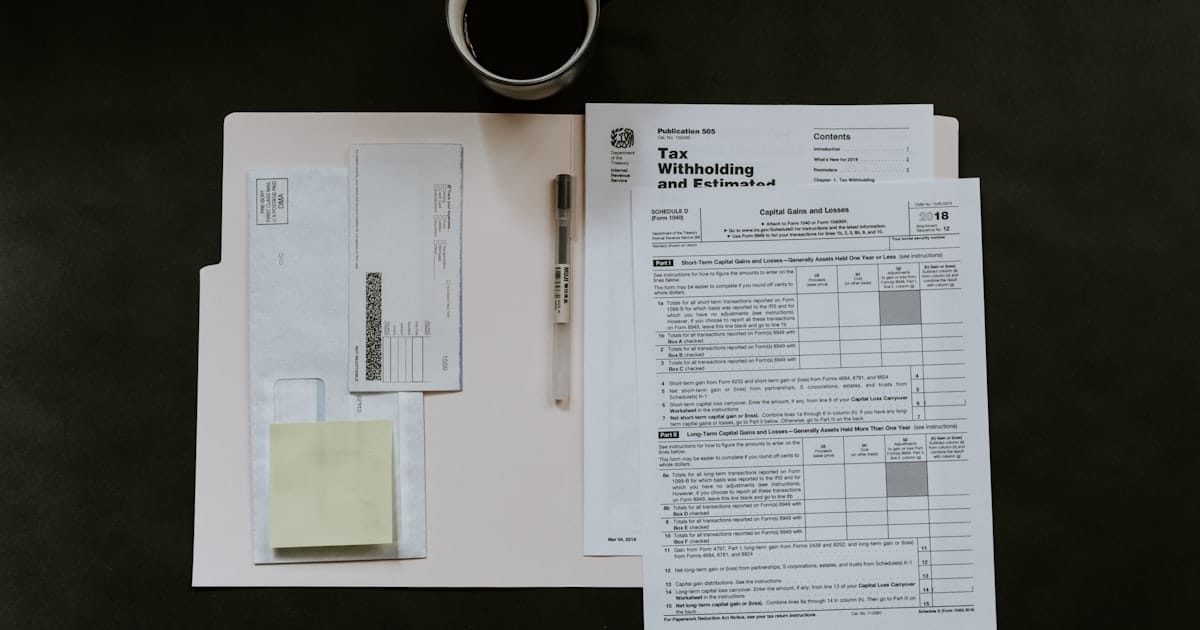
Writing a book for business: UK tax and reporting basics
If you earn money from book sales, speaking fees or related services, HMRC treats that income as part of your trading income. You must report it through Self Assessment if your total turnover exceeds the £1,000 trading allowance. Once your VATable turnover crosses the £85,000 VAT threshold, which is frozen until April 2028, you must register for VAT. From April 2026, Making Tax Digital for Income Tax Self Assessment applies to sole traders and landlords with turnover above £50,000, so keep digital records from day one. Many publishing costs, including editing, cover design, ISBN purchases and marketing, count as allowable business expenses. Our guides on allowable expenses self employed UK and self employed tax UK explain what you can claim.
Book sales are just one small piece of your marketing armoury
Many authors do not rely on book sales as a primary source of income. Instead, they give away copies at events, use them as lead magnets on their websites, or offer them as part of a coaching or consulting package. They invest in producing the best possible book with the intention of using it to create business opportunities that bring in additional income.
Think of your book as a premium business card that does the selling for you. A prospective client who has read your book already knows your approach, trusts your expertise and understands the value you offer before they ever pick up the phone.
To get started, think about what you are passionate about and how you can turn that expertise into opportunities to speak, run workshops or launch new services. The key is to know your outcome before you write a single chapter.
- Clarify your outcome. Decide whether the book is designed to generate leads, secure speaking gigs, support a course or build authority in your sector.
- Develop the idea. Plan and outline your book so it solves a specific problem for your ideal reader.
- Write the first draft. Set aside regular writing time and silence your inner editor until the draft is complete.
- Invest in professional help. Outsource proofreading, editing, formatting and cover design. A homemade cover can undermine even the best content.
- Choose your publishing route. Compare Amazon KDP, IngramSpark and other UK-friendly services. Buy your own ISBN if you want full control of your rights and branding.
- Build a marketing plan. Use your website, email list, social media and events to get the book into the hands of people who can hire or refer you.
You can write a book on almost any topic, from memoir and self-improvement to business how-to and fiction, as long as the content is original and genuinely useful. Print-on-demand and ebooks mean you are not limited by print runs or gatekeepers, so use your imagination and you can become a published author.
Finally, remember that writing a book for business is about quality, not quantity. If you would not want to read it, why would anyone else? Put in the time and effort, focus on the reader, and the business rewards will follow.