For women in the UK, the question is shifting from “why start a business?” to “why not?”. Entrepreneurship is no longer limited to those with deep pockets, tech backgrounds or unlimited time. It is becoming a realistic route to financial independence, flexibility and creative fulfilment for women from every background. If you have been waiting for a sign to launch, here are six practical reasons to start your business today.
The case for women founders is strengthening. Our Women in Business: Key UK Facts page sets out the latest data, and the 2019 Alison Rose Review of Female Entrepreneurship found that closing the gender enterprise gap could add up to £250 billion to the UK economy. Yet women-led businesses still receive only a small share of UK equity investment. Affordable technology, flexible working arrangements and targeted government support mean many of the old barriers to enterprise are falling away.
1. You can start in “beta” mode
“Beta” simply means launching quietly in test mode. No business plan survives contact with its first customer. You may have a brilliant idea, but it is unlikely every detail will be perfect from day one. Starting in beta lets you launch quickly, gather real feedback and evolve your offer as you learn what customers actually want.
This approach is sometimes called a minimum viable product, or MVP. Rather than spending months perfecting a full range of products or services, you release a simple version, measure the response and refine. It lowers your financial risk, speeds up your learning and helps you avoid building something nobody wants.
2. You can start in your spare time
Ignore the myth that entrepreneurs must work 24/7 and risk everything. Many successful businesses begin as “5 to 9” ventures alongside a day job or caring responsibilities. Many founders spend evenings or school hours building their venture before leaving paid work. Consistency matters more than all-hours sacrifice. If you can dedicate a few focused hours each week, you can make meaningful progress without burning out.
3. You can start a business with very little money
It is entirely possible to start a business with minimal capital. Service-based businesses, such as virtual assistance, copywriting, bookkeeping, tutoring or social media management, can often be launched using only the skills and equipment you already have.
Begin by auditing your skills, experience and the resources already around you. Free or low-cost digital marketing, social media and freelance marketplaces mean you can reach customers with minimal upfront investment. If you need funding, the Start Up Loans Female Founders programme, delivered through the British Business Bank, offers loans of up to £25,000 for new businesses in 2026, alongside free mentoring. The programme had provided more than £1 billion in funding since 2012 as of 2024 (British Business Bank, 2024).
4. You can set up a business very quickly
With the right preparation, you can set up a business in a single day. If you have done your research and lined up the essentials, the formal steps can be completed online in hours. Registering as a sole trader can be done via GOV.UK, and forming a limited company through Companies House typically costs £50 online as of 2024 (Companies House, 2024) and can be approved within 24 hours.
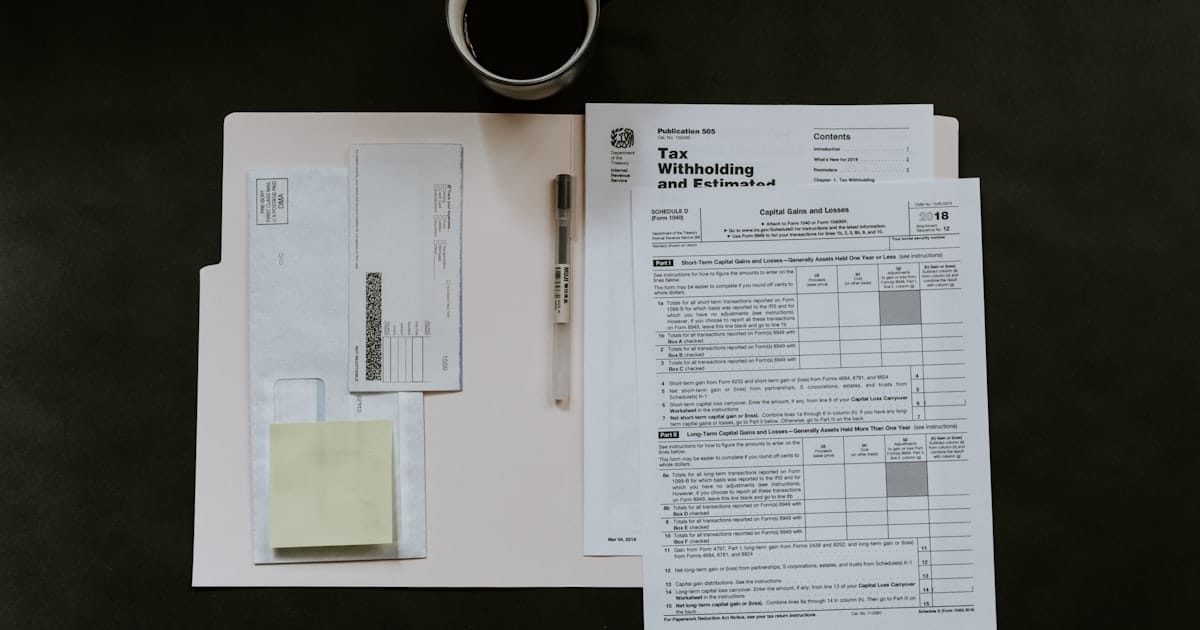
Choosing the right structure matters more than ever. Our Making Tax Digital Sole Trader: 2026 Checklist for Women explains the new HMRC rules. From April 2026, self-employed people and landlords with turnover above £50,000 must join Making Tax Digital for Income Tax Self Assessment (HMRC, 2024). The Income Tax personal allowance remains £12,570 for 2026/27 (HM Treasury, 2024), and the VAT registration threshold stays at £85,000 until 2028 (HM Treasury, 2024).
5. You don’t need to leave the house
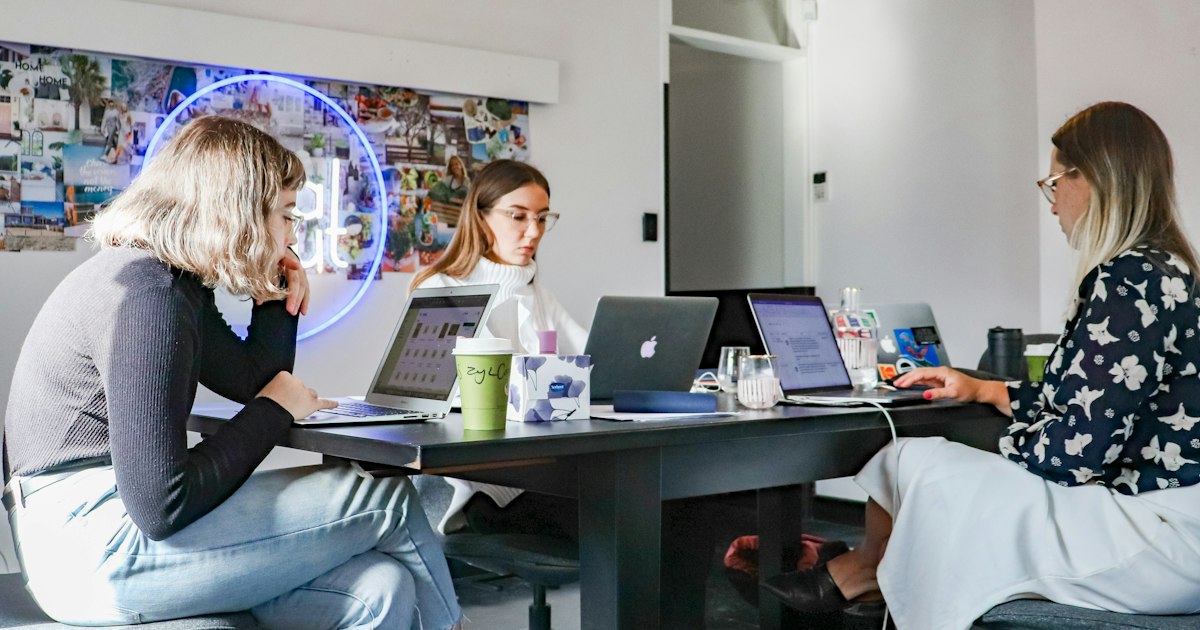
Many new UK businesses still start from home. Cloud computing, video calls and affordable online accounting software mean you can collaborate, sell and manage finances from anywhere with a decent broadband connection. Working from home also keeps overheads low, which is one reason so many new ventures survive those fragile first months.
A professional website can be built in an afternoon using DIY website builders, and many home-based founders build supportive colleague communities through social media, local networking and co-working meetups. If you use part of your home exclusively for business, you may be able to claim allowable expenses through HMRC.
6. If not now, when?
Creativity does not end with a good idea; it begins when you share that idea with the world. An idea that is never tested remains just a thought. Waiting for the perfect moment usually means waiting forever.
The founders who succeed are rarely those with the most polished plans; they are the ones who start, learn and adapt. So when are you going to take the leap?
Start your business today with one small step
Starting a business does not have to mean a dramatic quit-your-job moment or a large investment. It can begin with a beta test, a spare-hour side project and the tools you already have. The barriers are lower than ever for women entrepreneurs in the UK. The only question left is: what will you launch first?
Action steps
- Audit your skills and identify one service or product you could offer in beta within the next 30 days.
- Decide whether sole trader or limited company status suits your plans, and check the current registration costs on GOV.UK.
- Block out a regular, realistic time slot each week to work on your venture.
- Explore funding options such as Start Up Loans if you need capital to get started.
- Review the 2026 Making Tax Digital rules to see if they affect your reporting from April 2026.