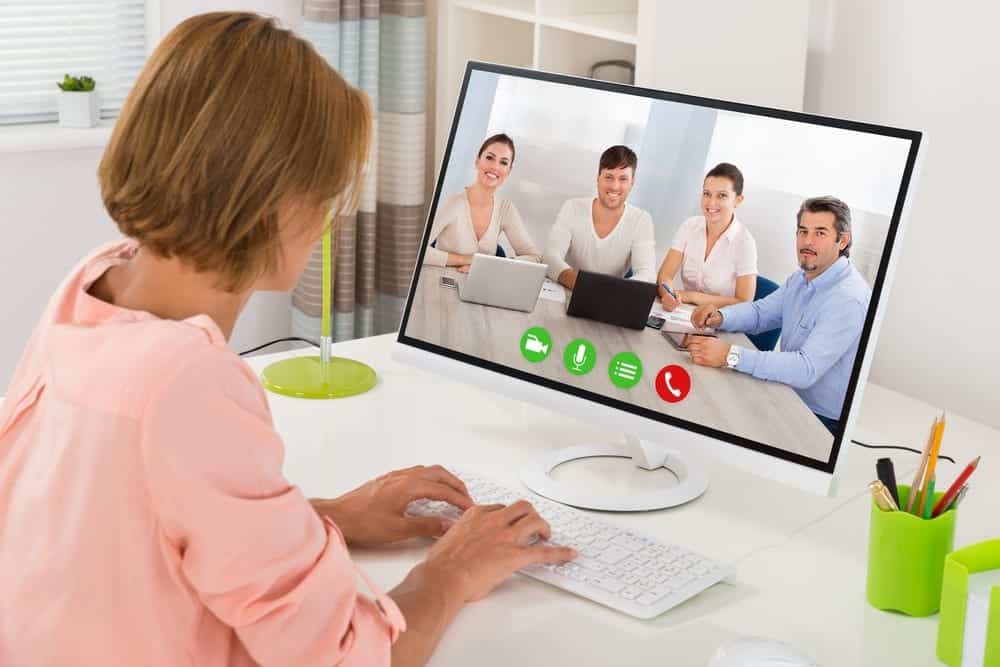
Video conferencing has moved from a novelty to a standard business tool. For women running UK small businesses, it now underpins client meetings, team collaboration, recruitment and flexible working. If your last experience was a stuttering call with poor sound, the technology has changed substantially. This guide sets out what you need to know about video conferencing for UK small business in 2026.
Why video conferencing matters for UK women-led businesses
Hybrid and remote working are now embedded in UK working life. According to ONS data from 2024, around 44% of working adults in Great Britain had worked from home at some point in the previous seven days, with hybrid arrangements becoming the norm for many office-based roles. The UK business population is vast: ONS figures for early 2024 show around 5.5 million private sector businesses, with small businesses making up 99.9% of the total. For women founders, this shift is not just about convenience. It reduces travel time, lowers overheads and makes it easier to balance business ownership with caring responsibilities or health needs.
The legal landscape has also changed. The Flexible Working (Amendment) Regulations 2023 came into force on 6 April 2024, giving employees the statutory right to request flexible working from day one of employment. ACAS operates a statutory Code of Practice on handling these requests. Video conferencing is the practical infrastructure that makes many flexible arrangements viable. For a fuller explanation of your obligations and opportunities, see our guide to Flexible Working Rights UK 2026: What Women Need to Know.
Women-led businesses also benefit from reduced geographic limits. The Alison Rose Review of Female Entrepreneurship (2019) found that only 1 in 3 entrepreneurs in the UK is a woman, highlighting the importance of removing barriers to growth. Video calls let you pitch to clients in Edinburgh from Bristol, run a team across regions, or access mentors without leaving your home office. The Women in Business: Key UK Facts page shows the scale of women-led enterprise in the UK.
Choosing video conferencing for UK small business
The market has consolidated since 2017. The tools most widely used by UK small businesses in 2026 include:
- Microsoft Teams: included in most Microsoft 365 business subscriptions; strong for organisations already using Outlook, SharePoint and OneDrive.
- Zoom: popular for external meetings, webinars and training; offers a free tier and paid plans with longer meeting durations and advanced features.
- Google Meet: integrated with Google Workspace; a straightforward option if your business already uses Gmail and Google Calendar.
When comparing options, consider: the number of participants you typically need; whether you require recording, transcription or breakout rooms; integration with your calendar and email; and the level of customer support offered. Free tiers are useful for testing, but most growing businesses will need a paid plan for meetings over 40 minutes or for more than a handful of participants.
Security should also influence your choice. Look for end-to-end encryption, admin controls, and the ability to restrict who can join meetings. If you work with public sector clients or handle sensitive data, check whether the provider meets relevant UK standards.
Security and data protection
Video conferencing can expose your business to security risks if not configured properly. The DCMS Cyber Security Breaches Survey 2024 found that 50% of UK businesses identified at least one cyber security breach or attack in the last 12 months. The National Cyber Security Centre (NCSC) publishes guidance on securing video calls, including using waiting rooms, requiring passwords, keeping software updated and limiting screen sharing to the host.
If you handle personal data during calls, you must also comply with UK GDPR. This means choosing a provider that stores data in appropriate jurisdictions, understanding who can access recordings, and informing participants if a meeting is being recorded. You should also have a clear retention policy for recordings and transcripts.
Tax relief and expenses
Video conferencing software counts as an allowable business expense. If you are self-employed, HMRC permits you to claim the cost of software subscriptions used wholly and exclusively for business. If you use software for both business and personal purposes, you can only claim the business proportion.
For women working from home, related costs such as a proportion of broadband, a dedicated headset or a webcam may also be claimable. Our guide to Home Working Expenses Self Employed Can Claim Through HMRC explains the current rules.
Using video calls to win and keep clients
Beyond internal meetings, video calls have become a primary channel for sales, onboarding and customer support. A well-run video meeting can replace a long train journey for a 30-minute pitch, allowing you to speak to more prospects in a week. It also makes it easier to accommodate clients who prefer evening calls or who are based overseas.
To present professionally, test your camera and microphone before important calls, use a plain or uncluttered background, and ensure good lighting. Share your screen for proposals or demonstrations, but keep slides concise. Follow up with a written summary so both sides have a record of what was agreed.
Make your video meetings accessible and inclusive
Good video conferencing practice makes your business more accessible. Provide dial-in options for participants with unreliable internet, enable live captions where available, and record meetings for those who cannot attend live. Send agendas and any documents in advance so participants can prepare. These steps help clients and employees with caring responsibilities, disabilities or irregular schedules to take part fully.
Practical next steps for your business
- Audit your current communication tools and identify where video conferencing could replace travel or lengthy email chains.
- Compare three providers against your actual business needs, including security, participant limits and integrations.
- Review your security settings against NCSC guidance and update passwords and access controls.
- Check your expenses records to ensure software subscriptions and home working costs are being claimed correctly.
- Document a simple meeting protocol for your team or clients, covering agendas, recordings and follow-ups.
Video conferencing for UK small business is no longer a question of whether to adopt it, but how to use it well. With the right tool, clear security practices and an understanding of the tax and flexible working context, women-led businesses can use it to save time, cut costs and reach further.