Omni-channel retail is now the default expectation for many UK shoppers. If you want to build an omni-channel small business UK customers trust, you need to connect your website, physical shop, market stall, social media and customer service so the experience feels seamless wherever a customer finds you. Whether you run a high-street boutique, a designer-maker stall or a spare-room start-up, an omni-channel approach can help you sell more, save time and build stronger customer relationships.
If you still treat the internet as an optional add-on, you are missing out. Creating your first website is just the starting point. Today, customers expect to browse on a phone, buy online, collect in person, return by post and ask questions through social media, often within the same transaction. The good news is that integrating technology throughout your business is more affordable than ever, and the time savings usually outweigh the upfront effort. This is especially relevant for women founders, who often launch with limited capital and need every sales channel to work hard from day one.
Omni-channel small business UK: current landscape
The UK is one of the world’s most advanced e-commerce markets. According to ONS retail sales data from 2025, internet sales accounted for around a quarter of total retail spending, and the proportion regularly spikes higher during peak shopping periods. Mobile browsing has become the normal way UK shoppers research and buy online, and social commerce is growing rapidly as shoppers discover and buy products without leaving apps such as Instagram and TikTok. Women-led businesses are a major force in this shift: the 2019 Alison Rose Review of Female Entrepreneurship estimated that women-led SMEs contribute around £85 billion to the UK economy, and digital tools are central to how many of them scale. For more context, see our Women in Business: Key UK Facts page.
Whatever your size or sector, these four steps will help you make the most of an omni-channel environment.
1. A responsive, mobile-first website
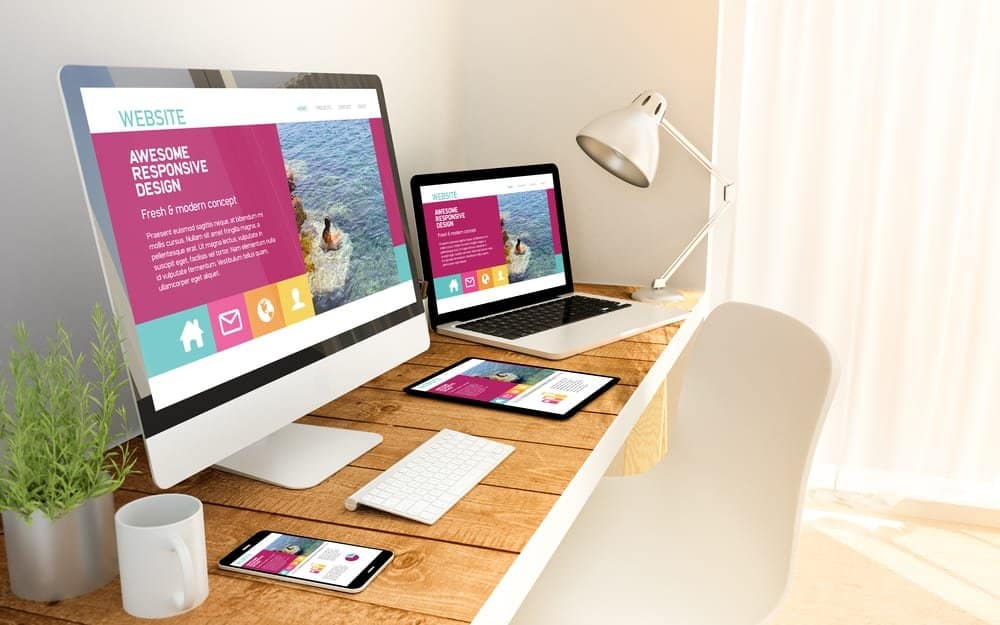
Mobile browsing has become the normal way UK shoppers research and buy online, so your site must look good and work fast on small screens. A responsive website automatically reformats to display attractively on desktops, tablets and smartphones. It is now the industry standard, not an optional extra.
If you are commissioning a new site or refreshing an existing one, make mobile-first design a requirement. Google uses mobile-first indexing, meaning it predominantly evaluates the mobile version of your site for search rankings. Slow-loading pages or awkward navigation on phones will hurt both conversions and visibility. Most modern website builders and e-commerce platforms offer responsive templates as standard, and a reputable developer should not charge a premium for responsive design. If they do, shop around.
For women-led businesses operating from home, a shared studio or a market stall, a mobile-friendly website is often the first impression a potential customer gets, so it pays to get it right. For practical guidance, read our article on growing your business presence online.
2. Secure, trusted payments
Trust is everything in online retail. Customers need to feel confident that their payment details are safe, so your checkout must use HTTPS encryption across the entire site. An SSL certificate is now a basic requirement; without it, browsers flag your site as ‘not secure’, which deters buyers and damages your search rankings.
Choose payment providers that UK shoppers recognise and trust, such as Stripe, PayPal, Shopify Payments, Square or SumUp. Display security badges clearly and keep your payment processes compliant with the Payment Card Industry Data Security Standard (PCI DSS). The UK contactless card limit is £100, and contactless plus digital wallets such as Apple Pay and Google Pay are widely used for in-person transactions. If you take card payments in person as well as online, look for a provider that integrates both channels so your stock and sales records stay in one place.
For women founders building a brand from scratch, visible payment security helps close the trust gap that new online sellers often face, so do not hide your badges in the footer.
3. Back-up, support and disaster recovery
When your website is your shop window, till and back office, downtime is expensive. You need reliable back-ups and a clear plan for when things go wrong. That means automated, off-site back-ups of your website files, customer database and order history, plus a way to restore them quickly.
It also means having human support you can rely on. If you use a hosting company or technical help-desk, check their service-level agreement before you sign up. Do they offer 24/7 support? How quickly do they start working on critical issues? If they cannot commit to a response time that matches your risk, consider another provider. Cloud-based e-commerce platforms often include back-up and security as part of the package, but you should still keep your own copies of critical data and test your recovery process periodically.
Remember that customer data is protected under UK GDPR and the Data Protection Act 2018. Any back-up or recovery plan must keep personal information secure, and you should document how long you retain data and who can access it. An integrated system also makes it easier to keep the digital records required by HMRC’s Making Tax Digital programme. If you run your business around other commitments, automated back-ups are particularly valuable because they protect the time you cannot afford to lose.
4. Strategic, joined-up marketing
Technology enables marketing, but it does not replace it. The most effective omni-channel businesses combine the two. Search engine optimisation, local search, email marketing and social media all magnify your message and help customers find you at different stages of the buying journey.
Make sure your branding, messaging and offers are consistent across every channel. Claim and update your Google Business Profile if you have a physical location, and use the same product descriptions and images on your website, eBay, Etsy and social shops. Social commerce, selling directly through Instagram, Facebook or TikTok Shop, is growing rapidly in the UK and can be a low-cost way to reach new audiences. Wherever possible, use a single customer relationship management system or e-commerce dashboard so you can see which channels are driving sales and repeat visits.
Women-led businesses in creative and retail sectors often use social commerce to test products, gather feedback and build community before investing in a full website or shop fit-out. For more on this, see our guide to local internet marketing tips for UK small businesses.
Your action steps
- Audit your current channels and identify where customers drop out of the buying journey.
- Check your website on a smartphone and measure its loading speed using Google’s free PageSpeed Insights tool.
- Review your payment options and confirm your checkout is encrypted and PCI DSS compliant.
- Set up automated back-ups for your website, customer data and order history, and test the restore process.
- Claim or update your Google Business Profile and align your product listings across every sales channel.
Building an omni-channel small business UK shoppers rely on takes work, but the payoff is a customer experience that works whether someone finds you on a phone, at a market or through a recommendation. By starting with a responsive website, secure payments, robust back-up and joined-up marketing, you can make every channel feel like part of the same trusted brand.