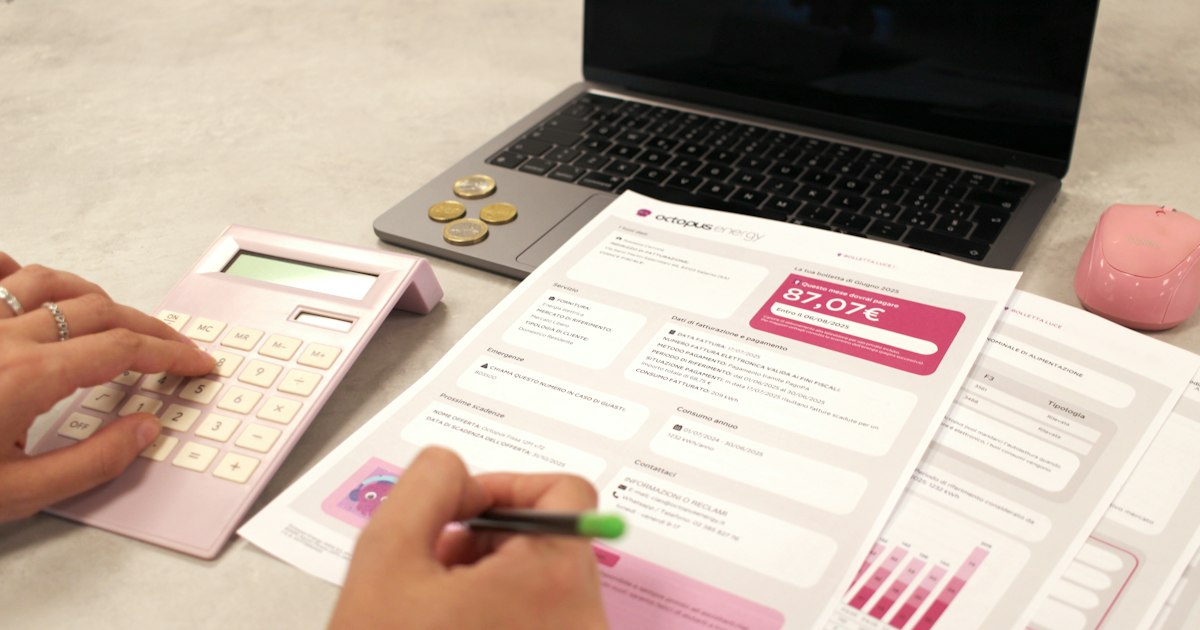
Starting a business in the UK has never been more accessible, but the gap between launching and landing repeat clients remains wide. The 2019 Alison Rose Review of Female Entrepreneurship found that women start businesses at roughly half the rate of men, and that closing the gap could add £250 billion to the UK economy. Yet many women founders still struggle to convince larger organisations to buy from them. Learning the start-up mistakes to avoid early helps you look credible before you open your first invoice.
Why credibility is the real start-up battle
ONS business demography data shows that 56.4% of UK businesses started in 2019 survived to their third year (ONS, 2023). The same dataset indicates that around one in five new businesses fail within their first year. Buyers know these odds. A procurement manager or small-business client has usually watched at least one supplier disappear mid-project, which is why they scrutinise invoicing, communication and terms before they commit. The British Business Bank’s Small Business Finance Markets 2023 report found that all-female founder teams received just 2% of UK equity investment in 2022; the same scepticism can spill over into trading relationships.
5 start-up mistakes to avoid
1. Invoicing like you are desperate for cash
Submitting an invoice marked “payment on receipt” without warning tells the client three things: you have a cash flow problem, you do not understand how corporate payment runs work, and you expect instant bank transfers. The Federation of Small Businesses has repeatedly reported that late payment remains one of the biggest threats to small firms, with many waiting beyond agreed terms. That makes clear payment terms essential, but “on receipt” is not the answer.
Agree 30-day terms in writing, issue invoices promptly and reference any purchase order number. If you need faster payment, ask for a deposit or milestone payments upfront rather than rewriting terms after the work has started.
2. Letting your website contradict your pitch
A client visits your site after a promising meeting and sees testimonials that only mention you as a sole trader, even though you pitched a team of four. The mismatch plants doubt about capacity and expertise. Your website should reflect the business you are building today, not the freelance history that got you here. Include current service descriptions, up-to-date case studies and a professional contact page.
Under the Economic Crime and Corporate Transparency Act 2023, Companies House now requires identity verification for directors. If you run a limited company, make sure your filings are accurate and current, and check the identity verification steps for female directors.
3. Disappearing during core working hours
Calls that go to voicemail, emails that take 48 hours to return, and unexplained Friday absences signal that the business is a side project. Clients do not mind part-time founders, but they do mind guessing when you are available. Set clear response-time expectations in your terms, use an out-of-office message when you are unavailable, and schedule client calls when you can actually answer.
If school pick-ups or caring responsibilities limit your hours, say so at the start and offer specific windows when you are reachable. Transparency builds more trust than silence.
4. Changing terms after you have agreed them
You agree payment at project end, then invoice 48 hours later. You agree 30-day terms, then the invoice says 14 days. You meet for what the client understood was a sales conversation, then bill for it. Every change erodes trust.
Before work begins, put your terms in a written contract or set of terms and conditions and ask the client to confirm them. If something needs to change, raise it explicitly and agree a variation in writing. The Prompt Payment Code, administered by the Office of the Small Business Commissioner, expects signatories to pay 95% of invoices from small businesses within 30 days; aligning your own terms with this standard shows you understand how UK buyers operate.
5. Overstating experience or client list
Honesty is not just ethical; it is practical. Once a client doubts one claim, they will question everything. Do not list clients you only spoke to once, inflate team size, or imply years of corporate experience you do not have. If you are new, say what you have built so far and why your fresh perspective matters.
Integrity builds the repeat business that sustains you. Clients who trust your word are far more likely to renew, refer you to others, and forgive the occasional early-career mistake.
How to look established from your first client
Credibility comes from systems, not size. Set up a business bank account, register for tax correctly, and understand your obligations under Making Tax Digital for Income Tax Self Assessment if you are a sole trader or landlord with turnover above £50,000 from April 2026. Use professional invoicing software, keep your website accurate, and respond to enquiries within one working day.
If you need start-up funding, the British Business Bank-backed Start Up Loans scheme offers personal loans for business purposes alongside free mentoring.
Five action steps to take this week
- Audit your website. Does it match the business you pitch in meetings?
- Write standard terms and conditions and a deposit policy before your next proposal.
- Set a clear client communication policy, including response times and unavailable hours.
- Review your invoice template to ensure payment terms, bank details and purchase order fields are correct.
- Check your Companies House filings and director identity verification status if you run a limited company.
Build credibility by avoiding these mistakes
These start-up mistakes to avoid are not about pretending to be a bigger business than you are. They are about showing clients that you are organised, transparent and reliable enough to trust with their money. Get the basics right and you turn a single sale into a relationship that lasts years.