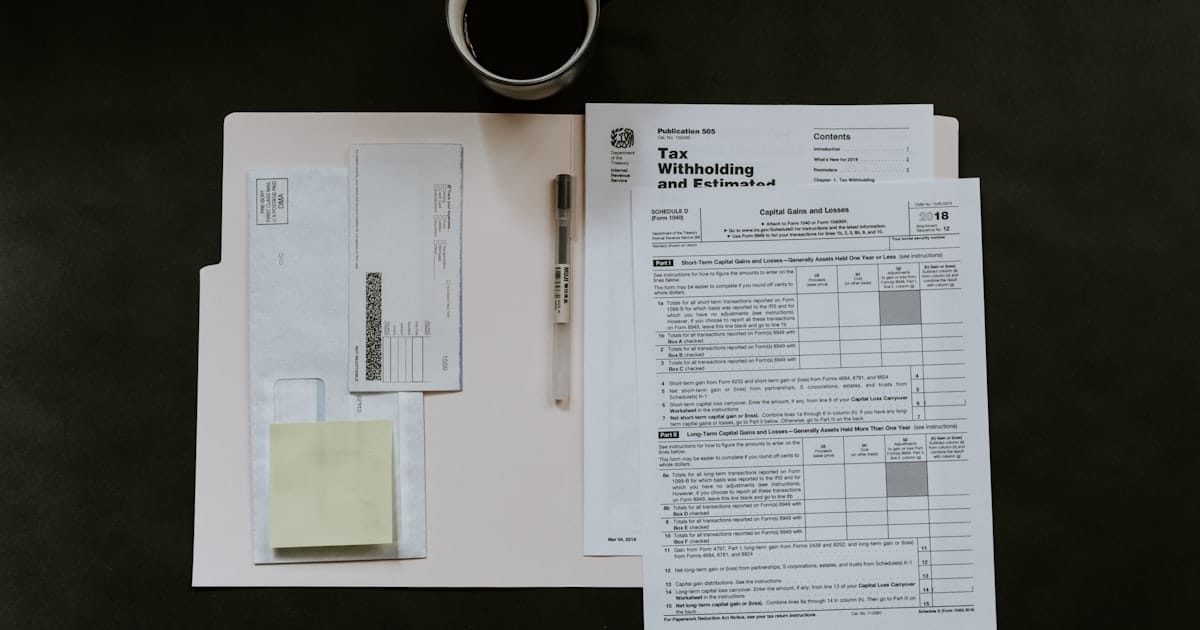
If you are starting to earn money from a skill, product or service, you will probably need to register a business with HMRC in the UK at some point. HMRC keeps a record of your trading income, collects the tax you owe and tracks National Insurance payments. This guide explains the deadlines, thresholds and practical steps so you can get it right first time. Treating registration as a priority, not an afterthought, gives you a stronger foundation for everything that follows.
Why you need to register with HMRC in the UK
HMRC runs the UK tax system. When you earn income outside PAYE employment, HMRC needs to know. It uses this information to calculate the correct Income Tax and National Insurance. If you do not register on time, HMRC can charge penalties and interest on any tax you pay late.
Registering also protects you. Once you are on HMRC’s system, you receive a Unique Taxpayer Reference, known as a UTR. This ten-digit number acts as your tax identity. You use it for Self Assessment and Corporation Tax. VAT and PAYE require their own registrations and reference numbers. Without a UTR, you cannot file a Self Assessment or Corporation Tax return online.
Beyond tax, registration unlocks other parts of running a business. You may need a UTR to open a business bank account, apply for certain grants or claim self-employed Maternity Allowance. Getting this step done early means fewer delays later.
When to register with HMRC
Timing depends on your business structure and how much you earn. Here are the key triggers for the current tax year.
Sole traders
HMRC sets the trading allowance at £1,000 (GOV.UK, 2024). You must register for Self Assessment if your trading income exceeds this amount in a tax year.
If your side income stays below £1,000, you may not need to register at all. However, you still have to report the income if you choose to file a tax return for another reason.
If you need to register, do so by 5 October after the tax year you started trading (GOV.UK, 2024). The UK tax year runs from 6 April to 5 April the following year. So if you began trading in May 2026, you should register by 5 October 2027.
Limited companies
You must first register a limited company at Companies House. Once it exists, you must register for Corporation Tax within three months of starting any business activity (GOV.UK, 2024). This includes buying, selling, advertising, renting premises or employing someone. Directors must also verify their identity with Companies House before appointment (GOV.UK, 2025).
VAT
You must register for VAT if your taxable turnover goes over £90,000 in any rolling 12-month period (GOV.UK, 2024). The £90,000 threshold has applied since 1 April 2024. You can also register voluntarily if your turnover is lower, which may help you reclaim VAT on business expenses.
PAYE
If you employ staff, including family members, you must register as an employer with HMRC. You also need to set up PAYE before you pay anyone (GOV.UK, 2024).
This applies even if you run a one-person limited company. You are still an employer if you, as the director, take a salary.
How to register as a sole trader
Registering as a sole trader is usually the quickest route. You can do it online through HMRC’s register for Self Assessment service. Before you start, make sure you have your National Insurance number ready.
Follow these steps.
- Go to the HMRC register for Self Assessment page and sign in with your Government Gateway account. If you do not have one, create it first.
- Tell HMRC you are starting work for yourself and choose a business name. You can trade under your own name or a business name. However, you cannot use a name that includes “limited”, “Ltd” or “public limited company”.
- Provide your personal details, your National Insurance number and a description of your work.
- Submit the form. HMRC will post your UTR to you within 10 working days, or within 21 days if you are abroad.
Once you have your UTR, keep it safe. You will need it every time you file a Self Assessment tax return. You should also start keeping records of all income and allowable expenses from day one. Good records make your first tax return much simpler and help you claim the right deductions.
How to register a limited company for tax
Running a limited company means more paperwork than being a sole trader, but it can limit your personal financial risk. First, you incorporate the company at Companies House. You will receive a certificate of incorporation and a company registration number.
After incorporation, HMRC will send your company’s UTR to the registered office address. You then have three months from starting business activity to register for Corporation Tax online. You will need your company registration number, the date you started trading and your accounting period dates.
Here is the process.
- Sign in to HMRC’s Corporation Tax service using your Government Gateway account.
- Enter your company registration number, the date you started trading and your accounting period dates.
- Confirm your company details and submit the registration.
- Wait for HMRC to send your company’s UTR by post if you have not already received it.
If you plan to pay yourself a salary, you must also register as an employer and run PAYE through payroll software. Many women founders take a small salary and dividends to manage their tax efficiently.
VAT and other registrations you may need
Once your turnover grows, extra registrations become necessary. Do not wait until your annual accounts are finished to check these thresholds. Review your rolling 12-month turnover every month.
VAT registration
If you hit the £90,000 VAT threshold, you have 30 days to register (GOV.UK, 2024). Since April 2022, all VAT-registered businesses have had to keep digital records. They must also file returns through Making Tax Digital compatible software (GOV.UK, 2022).
Voluntary registration can make sense if you sell to other VAT-registered businesses. You can then reclaim VAT on stock, equipment and services.
Construction Industry Scheme
If you work as a subcontractor in construction, you should register for the Construction Industry Scheme. This is known as CIS (GOV.UK, 2024).
Registration means contractors deduct tax at 20% from your payments. Unregistered subcontractors face the higher 30% rate.
PAYE and workplace pensions
Employing even one person means you must operate PAYE and report wages in real time. You also have automatic enrolment duties for workplace pensions once an eligible employee joins your business.
What happens after you register
Once you register, the main job is keeping up with deadlines. Missing them costs money, so put them in your diary straight away.
For Self Assessment, the paper return deadline is 31 October. The online deadline is 31 January following the end of the tax year (GOV.UK, 2024). Payments on account are due on 31 January and 31 July each year. You may not need to make payments on account if your bill is under £1,000. This also applies if you already pay most of your tax through PAYE.
For limited companies, you must pay Corporation Tax nine months and one day after the end of your accounting period. The Company Tax Return is due 12 months after the accounting period ends (GOV.UK, 2024). VAT returns are usually due every quarter, plus one month and seven days after the quarter ends.
You should also tell HMRC if anything changes. Update your address, business name, trading activity or accounting period through your HMRC online account. If you stop trading, you must notify HMRC and file a final tax return.
Common mistakes to avoid
New business owners often delay registration because they are not sure whether the business is “real” yet. HMRC does not use that test. If you are regularly selling goods or services with a view to profit, you are trading. Waiting too long can lead to backdated tax, penalties and stress.
Another common error is mixing personal and business money. Open a separate business bank account as soon as you register. This makes record-keeping easier and gives a clear picture of your profits.
Finally, do not rely on guesses for expenses. Keep receipts, invoices and mileage logs. HMRC can ask to see your records up to five years after the relevant Self Assessment deadline. For limited company records, the period is six years.
Registering your business is a milestone, not a mountain. It gives you the legal footing to open a business bank account, apply for funding and plan your tax properly. If you are still deciding on your structure, read our comparison of sole trader versus limited company, then follow our guide to set up your business today. You may also want to explore grants for women in business to support your next steps.