If you have typed how to become self employed UK into a search engine this summer, you are not alone. The phrase has become one of the most common entrepreneurial queries in Britain. That tells us something important: self-employment is no longer a fringe career choice. It is a mainstream answer to the question of how to earn, lead, and design a working life. Yet the gap is wide. On one side is the Instagram version of working for yourself; on the other are HMRC deadlines, quarterly reporting, and pension gaps. This article is not a click-through checklist. It is a data-led look at what becoming self-employed in the UK actually means in 2026. We examine who is doing it, and where the system helps or hinders women in particular.
The numbers behind self-employment in the UK in 2026
The most recent Office for National Statistics Labour Market Overview estimates the UK self-employed workforce at more than 4.3 million people. That is a marked recovery from the pandemic low of around 4.1 million in 2020/21. Even so, it remains below the 2019 peak of roughly 5 million. Women make up approximately 1.5 million of the total, a share that has held steady at around one third for several years. Those figures do not scream revolution, but they do reveal stabilisation. Self-employment is no longer a post-crash anomaly; it is a structural feature of the labour market.
These numbers matter because they shape the support ecosystem. The British Business Bank is the government-owned economic development bank. It reports that around two in five Start Up Loans recently went to women. That is welcome, but it also reveals how recently women lacked representation in formal start-up finance. The bank’s wider analysis shows that women-founded businesses still receive only a fraction of UK venture capital. That makes self-employment, bootstrapping, and grants for women in business a more realistic route for many.
Sector patterns are also shifting. Professional, scientific and technical services remain the largest self-employment category, but health and social care, education, and creative industries are growing quickly. The Federation of Small Businesses has noted that much of this growth is micro-business activity: one-person consultancies, freelance specialists, and care providers. These are not the tech unicorns of popular imagination. They are women designing websites, advising on compliance, tutoring, coaching, delivering therapies, and running virtual assistant practices from kitchen tables.
For anyone researching self-employment in the UK, this context is crucial. The question is not simply how to register; it is whether the structure of the UK economy in 2026 makes solo working viable for your skills, your location, and your caring responsibilities.
How to register as self-employed in the UK
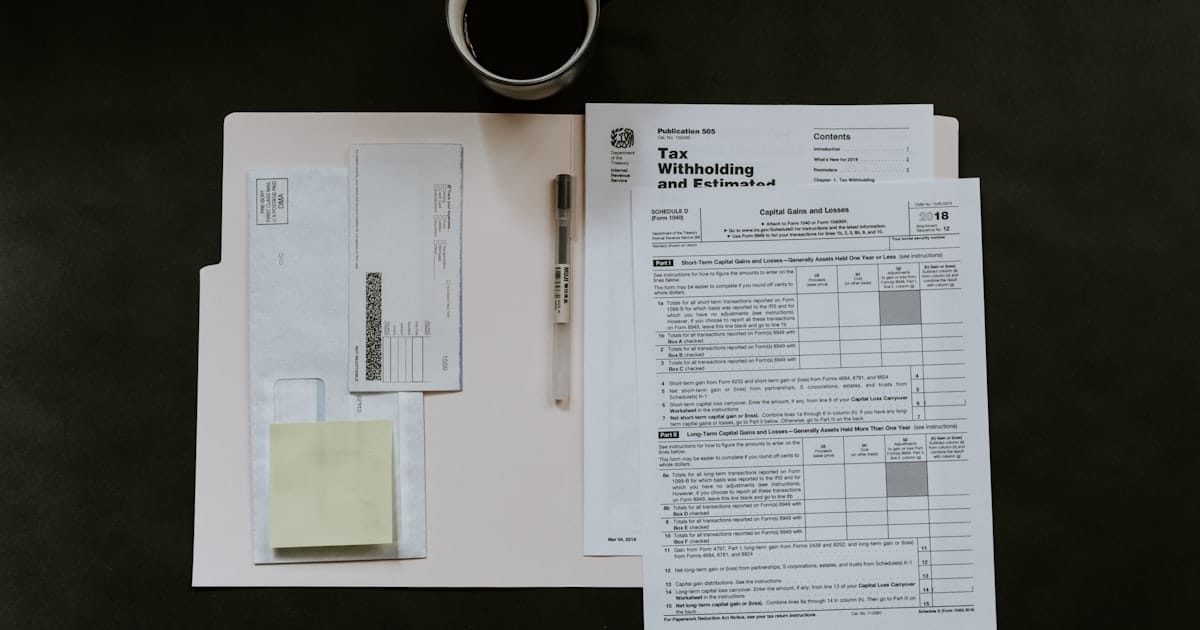
At its simplest, becoming self-employed in the UK involves telling HMRC that you are working for yourself. You must also file an annual Self Assessment tax return. If you choose to operate as a sole trader, you must register by 5 October in your business’s second tax year. HMRC will send you a Unique Taxpayer Reference, and you will use that to report income and expenses. The process is free and, for most people, takes place online. You can find the official route through GOV.UK’s guidance on setting up as a sole trader.
Yet the simplicity is deceptive. In 2026, Making Tax Digital, National Insurance changes, and Companies House reforms have complicated the choice between sole trader and limited company. The table below compares the practical implications of each structure.
| Consideration | Sole trader | Limited company |
|---|---|---|
| Legal identity | You and the business are the same entity | Separate legal entity |
| Liability | Unlimited personal liability | Limited liability |
| Registration | HMRC only | Companies House and HMRC |
| Annual admin | Self Assessment tax return | Confirmation statement, annual accounts, corporation tax return |
| Director identity verification | Not required | Required for directors from 2026 |
| Tax on profits | Income tax and Class 2/4 National Insurance | Corporation tax, plus tax on dividends or salary drawings |
| Public transparency | No public accounts | Accounts filed publicly at Companies House |
Since 2025, anyone setting up a limited company must complete identity verification for directors and people with significant control. Companies House administers this change to tackle economic crime. It adds a step, but it is straightforward and usually completed online. If you are unsure whether to incorporate, our sole trader vs limited company guide explains how the 2026/27 tax rules affect the decision. For a step-by-step walkthrough of the early setup decisions, see our set up a business today guide.
Most women who consider self-employment in the UK begin as sole traders. The structure is low-cost, flexible, and keeps your financial affairs private. The trade-off is unlimited liability, which matters if you are entering a sector with contractual or professional risk. It also means your personal credit record and the business are entangled, which can affect mortgage applications even when the business is profitable. Generic guides rarely mention that. Yet it is one of the reasons the legal structure decision deserves more than five minutes.
Surviving the tax curve when you become self-employed
The tax system for the self-employed is not arcane, but it is unforgiving if ignored. In 2025/26, the personal allowance remains £12,570, frozen until 2028. That means the first £12,570 of profit is free of income tax, assuming you have no other taxable income. National Insurance operates on a separate basis. Most self-employed people pay Class 4 contributions on profits above the lower profits limit. They may also make voluntary Class 2 contributions to protect their state pension record. The exact rates for 2025/26 are confirmed in the annual fiscal statements. Check the current figures on GOV.UK or in our self-employed National Insurance guide.
The VAT registration threshold is currently £90,000. If your taxable turnover over any rolling 12-month period crosses that line, you must register for VAT. The government raised the threshold from £85,000 in April 2024 and has held it at that level. You can check the current threshold on GOV.UK. For many service-based women founders, £90,000 feels both distant and daunting; crossing it changes your pricing, record-keeping, and client conversations. Our VAT registration guide for sole traders breaks down what changes in 2026/27.
Then there is Making Tax Digital for Income Tax Self Assessment. From April 2026, self-employed people and landlords with gross income above £50,000 must keep digital records. They must also submit quarterly updates through compatible software. From April 2027, the threshold drops to £30,000. You can find the details on GOV.UK’s Making Tax Digital guidance. If you are planning to scale your UK self-employment, Making Tax Digital is not optional background noise. It is the new operating system for tax compliance. Choosing the wrong accounting software in year one can create expensive migration problems in year three.
The £1,000 trading allowance still offers a useful entry ramp. If your annual income from self-employment is £1,000 or less, you do not need to tell HMRC or pay tax on it. Above that, you must register. The so-called side hustle rules have also tightened reporting obligations for digital platforms such as Etsy, Vinted, Airbnb, and freelance marketplaces. These platforms must now share seller data with HMRC. Our side hustle tax guide explains the 2026/27 thresholds.
If you are leaving employment to contract through your own company or as a sole trader, you should also understand IR35. These are the off-payroll working rules. They determine whether you are genuinely self-employed or a disguised employee for tax purposes. Misclassification can be expensive, and public-sector clients and large private-sector clients are now responsible for assessing the status of their contractors. Too many guides to going self-employed treat tax as an afterthought. In practice, your tax structure determines your take-home pay, your pension, and your eligibility for maternity benefits. Get it wrong and you join the thousands of self-employed people who face unexpected bills. Our first Self Assessment tax return guide walks through the paperwork.
Self-employment in the UK as a woman: the structural story
Women do not become self-employed in exactly the same economic conditions as men. The gender pay gap, caring responsibilities, and the design of the social security system all shape the experience. The Office for National Statistics has long reported that self-employed women are more likely than self-employed men to work part-time. They also tend to earn less. Many are also older: the fastest-growing segment of female self-employment in recent years has been women over 50.
Maternity provision is a case in point. Self-employed women are not entitled to statutory maternity pay from an employer. Instead, they may claim Maternity Allowance through the Department for Work and Pensions, provided they have paid sufficient National Insurance contributions. The government sets the standard rate each April; in 2025/26 it is around £187 per week for up to 39 weeks. Check the current rate on GOV.UK. That is a fraction of many salaries, and it forces difficult choices. If you are planning a family and considering self-employment in the UK, model the maternity allowance gap first. Do that before you hand in your notice.
Childcare is another structural barrier. The UK government’s expanded free childcare offer is welcome, but eligibility and availability remain patchy. Self-employed parents often lack the predictable income or employer support that makes childcare manageable. Becoming self-employed in the UK with young children means putting childcare costs and availability in your business plan. Treat them as seriously as marketing or software.
The over-50 surge is particularly significant. Many women leave corporate roles through redundancy, caring duties, or burnout, and use self-employment as a route back to paid work. ONS data shows this trend continuing into 2026. For these women, self-employment in the UK is less about Silicon Valley ambition and more about income continuity, flexibility, and dignity.
Research by Enterprise Nation, the small business support community, shows that women founders often cite flexibility and purpose. Men more often cite income potential. That does not make women’s businesses less serious. It makes them differently capitalised. They are built around lives, not just valuations. Understanding that difference matters when banks, investors, and policymakers design support.
The case for caution before you go self-employed
Not every self-employed person is a buoyant entrepreneur. Some are pushed. Redundancy, age discrimination, inaccessible childcare, and inflexible employers all drive people into solo work. Self-employment in the UK therefore has two readings: a voluntary career strategy and a fallback position when salaried work fails. The official data cannot always distinguish between the two, but the distinction matters for policy and for personal planning.
The downsides are real. Self-employed people have no statutory sick pay, no employer pension contributions, and no paid holiday. IPSE, the Association of Independent Professionals and the Self-Employed, has long argued that the self-employed receive the worst of both worlds. They are taxed like employees but excluded from employment protections. The Federation of Small Businesses regularly surveys members on late payment, which remains one of the biggest cash-flow killers for small traders.
Pensions are a quiet crisis. Automatic enrolment does not apply to the self-employed, so retirement saving is voluntary. Many women already have interrupted work histories and lower pension pots than men. Self-employment can deepen the gap unless you deliberately pay into a personal pension. A SIPP or stakeholder pension should be part of your setup from month one, even if the contributions are small. The tax relief on pension contributions is one of the few advantages the self-employed retain, and it is worth using.
Late payment is another structural problem. Large companies sometimes stretch supplier terms to 60 or 90 days. For a one-person business, that can mean the difference between paying the rent and not. The Prompt Payment Code exists, but enforcement is weak. Several governments have promised action; the problem persists. If you are serious about becoming self-employed in the UK, give your contract terms and credit control process as much attention as your logo.
Then there is the emotional cost. Isolation, anxiety about income, and the blurring of home and work boundaries are common. The glamour of being your own boss rarely includes the 2am worry about whether an invoice will be paid. If you are burned out by office politics and considering self-employment, be honest with yourself. Will going solo solve that stress, or simply replace it with another? The freedom is real, but so is the absence of a team, a manager, and a regular payslip.
That is the contrarian angle the optimistic guides skip. Self-employment can be liberating, but it can also be precarious. The women who thrive usually enter with savings, a clear offer, and a network. They also have a realistic view of the first 18 months. They do not assume that passion will pay the bills.
The bottom line
How to become self employed UK in 2026 is, technically, a short process. Register with HMRC, keep records, file returns, pay tax. But the better question is whether self-employment fits your life, your finances, and your tolerance for uncertainty. For women especially, the decision cannot be separated from childcare, pensions, caring responsibilities, and the stubborn gap in access to finance. Read our sole trader vs limited company guide, self-employed tax guide, and financial planning guide for women in business before you make the leap.