If you run a business from home in the UK, your workspace is not just a corner of the living room. It is where you invoice clients, manage staff, pitch investors, and file your Self Assessment tax return. Modern home office design UK matters because it directly affects how long you can concentrate, how professional you appear on video calls, and how much you can claim back through HMRC. According to ONS Labour Force Survey data from 2024, around 14% of UK workers worked exclusively from home, while roughly 29% worked in a hybrid pattern. For women founders and self-employed professionals, a well-designed home office is a genuine business asset.
Modern home office design UK starts with less clutter
A modern home office starts with a clean, intentional layout. Research by the CIPD in its 2024 Health and Wellbeing at Work report found that stress and musculoskeletal conditions remain leading causes of long-term sickness absence in UK workplaces. While much of that research covers traditional offices, the same risks apply at home, often without an HR team to spot them.
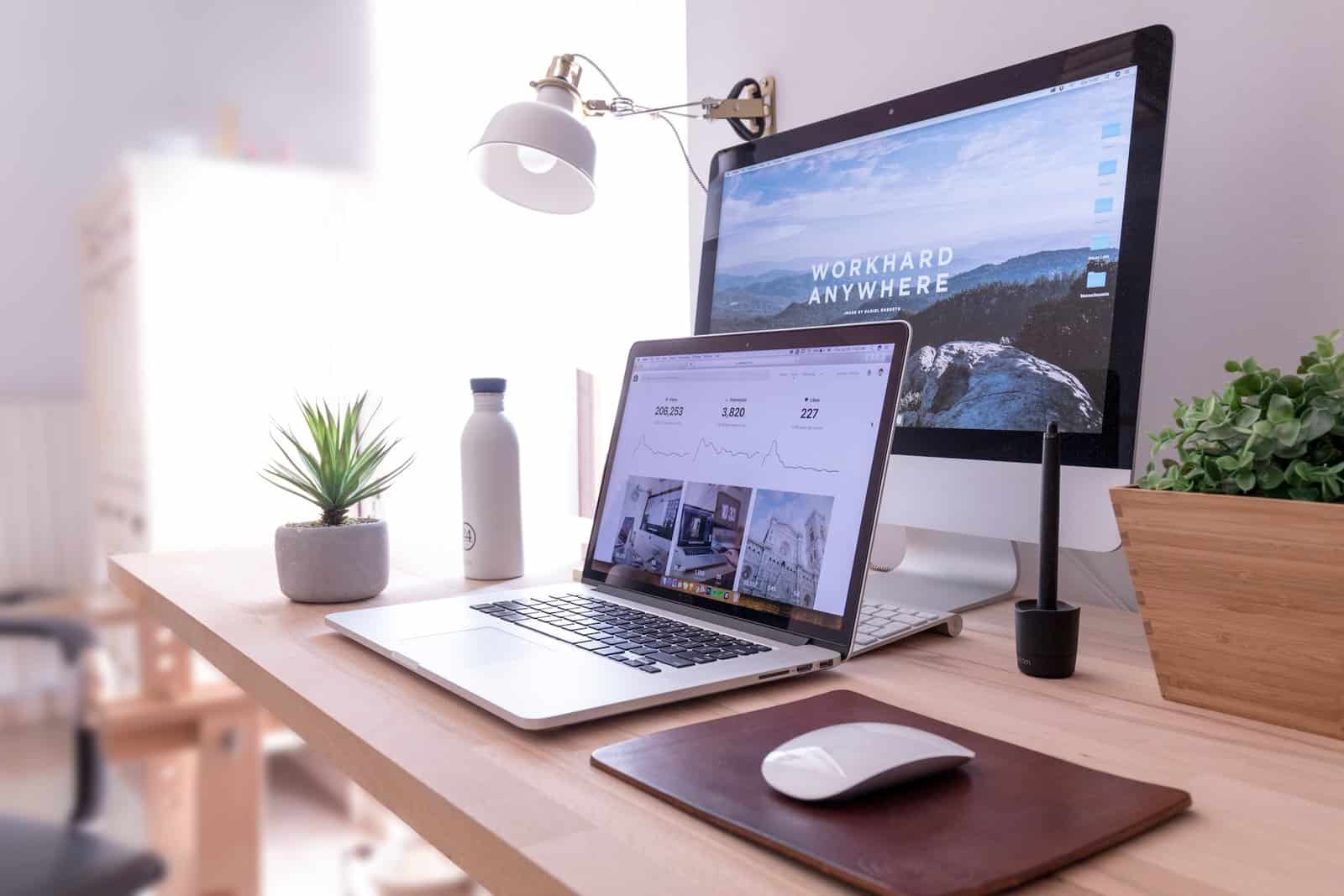
A clutter-free desk reduces the number of micro-decisions your brain makes before starting work. When your laptop, notebook, planner, and charging cables each have a fixed place, you spend less time searching and more time on billable work. This is not about creating a sterile environment. It is about giving every item a purpose and a location so your attention stays on the task in front of you.
Ergonomics are a legal and financial issue
Under the Health and Safety Executive’s Display Screen Equipment (DSE) regulations, UK employers must protect staff who regularly use screens, including those working from home. If you employ anyone in your business, you are required to carry out a DSE risk assessment and provide suitable equipment. Even if you are a sole trader, investing in an adjustable chair, a monitor at eye level, and a separate keyboard will reduce the neck and shoulder strain that the CIPD links to lost working days.
Modern design makes ergonomics easier because contemporary desks, monitor arms, and cable management systems are built around clean lines and adjustability. You do not need a corporate budget. A height-appropriate setup that keeps your feet flat on the floor and your screen at arm’s length will support longer, more comfortable working sessions.
Zoning helps you switch between roles
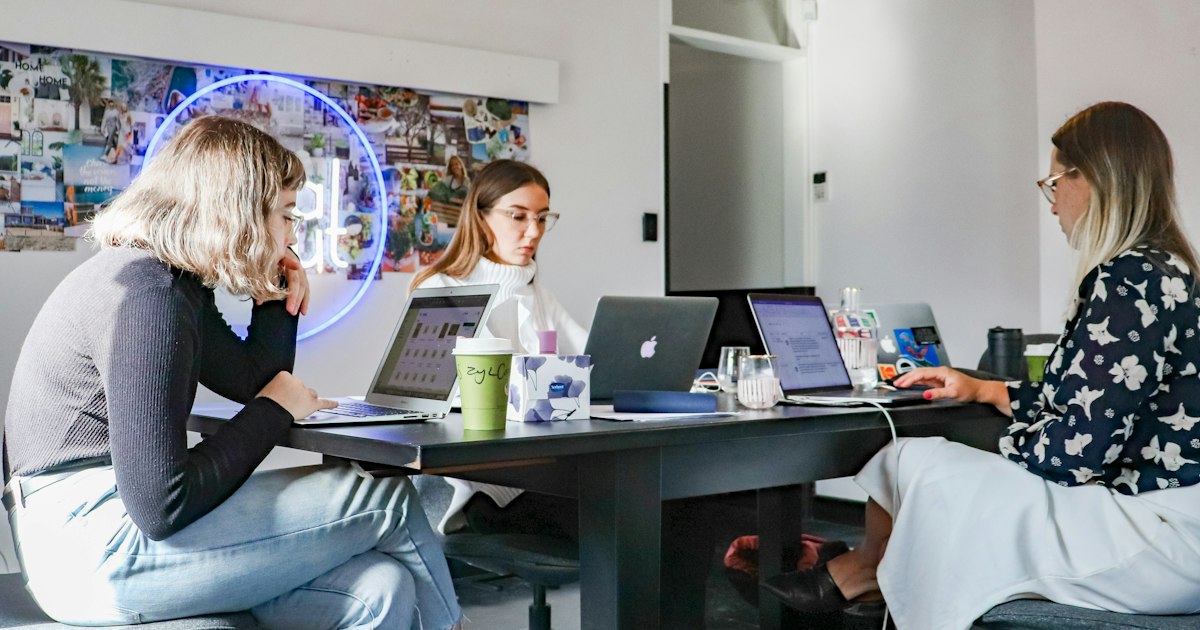
Many women in business blend client work, admin, childcare, and household management within the same four walls. A modern home office uses zoning to separate these roles. If your space allows, divide the room into three areas: a focused work zone with your monitor and keyboard, a thinking zone with a notebook or whiteboard for planning, and a meeting zone with good lighting and a neutral background for video calls.
This approach is especially useful if you are claiming home working expenses through HMRC. A clearly defined workspace makes it easier to demonstrate that the room is used substantially for business, which matters if you ever need to justify your tax claims.
Light, colour, and focus
Natural light has a measurable effect on alertness and mood. Position your desk perpendicular to a window where possible to avoid screen glare while still benefiting from daylight. For darker rooms, a modern task lamp with adjustable colour temperature will reduce eye strain during early mornings or late evenings.
Colour choices also influence concentration. Soft, muted tones such as sage green, warm grey, or pale blue tend to create a calmer backdrop than bright, high-contrast patterns. If you share your home with family, a consistent colour scheme can signal that this area is for work, helping others respect your boundaries.
Low-maintenance materials save billable hours
Modern design favours materials that look good without constant upkeep. Wipe-clean surfaces, concealed cable channels, and hard-wearing flooring mean you spend less time tidying and more time earning. This matters for self-employed women in the UK, for whom every hour spent on non-billable tasks is an hour away from revenue-generating work.
Choose furniture that is easy to clean and durable enough to last several tax years. If you are a limited company director, office furniture and equipment may qualify for capital allowances or the Annual Investment Allowance, which lets you deduct the full cost from your profits before tax in the year of purchase. Check the current HMRC guidance to confirm what qualifies.
What you can claim from HMRC
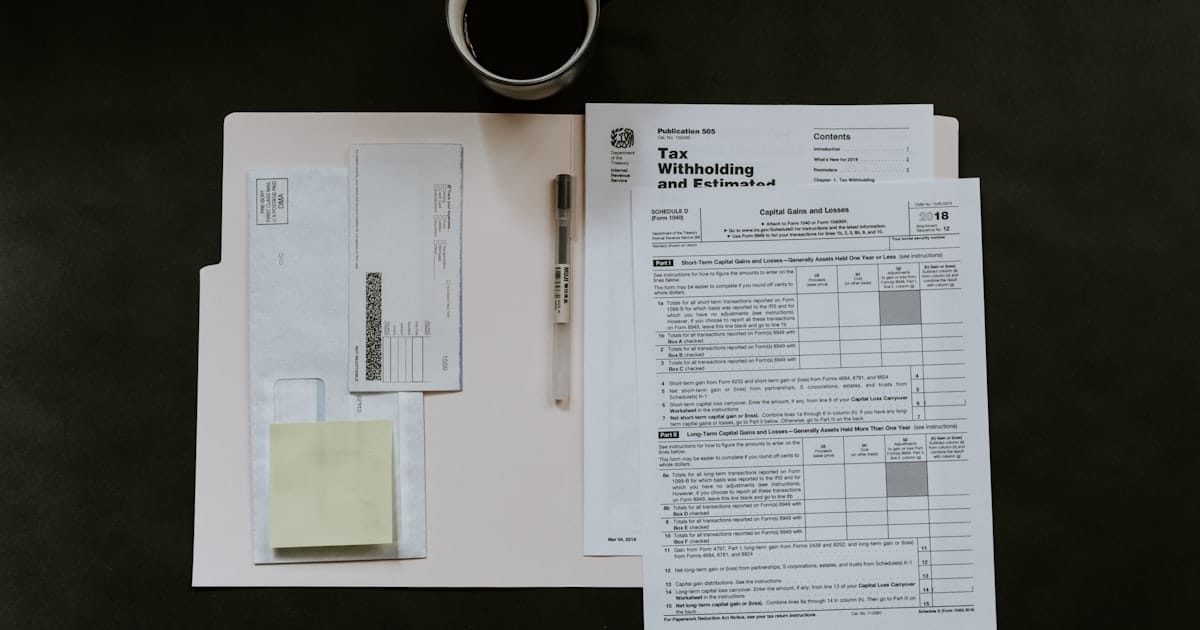
Modernising your home office can also reduce your tax bill. If you are self-employed, HMRC offers simplified expenses for working from home. For the 2025/26 tax year, the flat rates are based on the number of hours you work from home each month:
| Hours worked from home per month | Flat rate per month |
|---|---|
| 25 to 50 | £10 |
| 51 to 100 | £18 |
| 101 or more | £26 |
Alternatively, you can calculate the actual proportion of your home used for business and claim a share of heating, electricity, council tax, mortgage interest, or rent. The simplified route is easier, but the actual-cost method may be more generous if you use a dedicated room full time. Either way, keep records of your calculations and receipts.
Practical action steps for your home office
- Clear your desk to essentials only and assign a fixed place for each item.
- Check your chair, monitor height, and keyboard position against HSE DSE guidance.
- Create distinct zones for focused work, planning, and video calls.
- Maximise natural light and add a task lamp if needed.
- Review your HMRC home working expense method for the 2025/26 tax year.
Modern home office design UK is not about following an interior trend. For women founders and self-employed professionals, it is a practical way to protect your health, improve your focus, and make your workspace work harder for your bottom line.