Selling at Christmas markets is one of the fastest ways to test your products, meet customers face-to-face and build a local following for your artisan business. For women founders in craft, food and retail, these markets offer a low-cost route to validate ideas, gather feedback and turn one-off buyers into year-round customers. Most UK Christmas markets run from mid-November to Christmas Eve, with peak trading at weekends and in the final fortnight before the big day. Whether you make jewellery, candles, ceramics, textiles or food gifts, a well-prepared stall can turn a single season into repeat custom for the year ahead.
Women-led enterprises are a growing force across UK retail and craft sectors, and Christmas markets remain one of the most accessible ways to start trading. This guide covers the practical, legal and financial steps you need to take before selling at Christmas markets for the first time.
Book Your Market Early and Read the Small Print
Experienced traders often reserve their pitches in spring or early summer. Popular city-centre, cathedral and heritage railway markets can sell out months ahead, so start researching now for the 2026 season. Ask the organiser what is included in the fee: a table, a marquee, power, lighting, or just the pitch itself.
Costs vary widely. A small community hall table might cost £30 to £50 for a day, while a prime pitch at a major regional market can run into several hundred pounds. Check the cancellation terms, bad-weather policy and whether you need to bring weights or tie-downs for your gazebo. Many councils and market operators also insist on proof of public liability insurance, often with a minimum cover level stated in the contract, before you are allowed to trade.
Sort Your Tax Before Selling at Christmas Markets
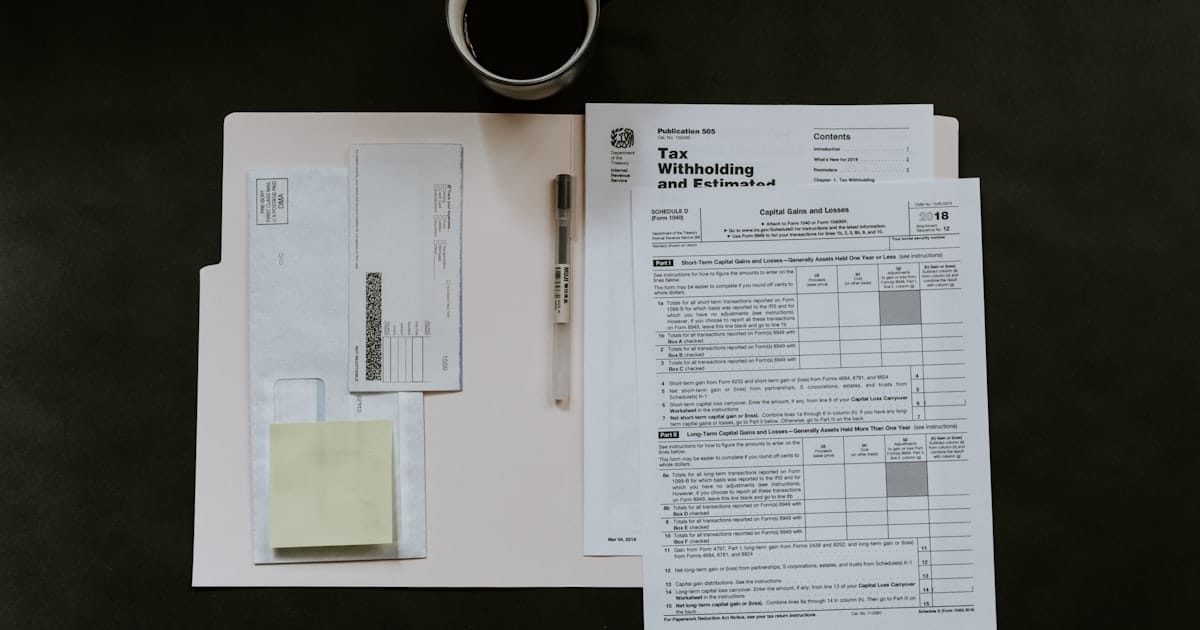
Even a few market days can push your annual trading income over HMRC thresholds. For the 2026/27 tax year, you can earn up to £1,000 of gross trading income in a tax year without registering for Self Assessment, thanks to the HMRC trading allowance. If your total trading income is above that, you must register as self-employed and file a Self Assessment return, with the deadline for online returns on 31 January following the end of the tax year.
If your taxable turnover reaches the VAT registration threshold of £90,000 in any rolling 12-month period, you must register for VAT with HMRC. The threshold has been fixed at £90,000 since April 2024. Keep a simple record of every market sale, stall fee, material cost and travel expense from day one. Our Self Employed Tax UK: A Complete Guide for 2026/27 explains the current rates and deadlines in detail.
Price for Profit, Not Just Materials
Handmade goods command a premium at Christmas markets, but your prices must cover every cost. Work out the cost of materials, your time at a realistic hourly rate, the stall fee, travel, packaging and card-processing fees. A simple rule of thumb is to multiply your material cost by at least two to three times, then add your labour and overheads on top. A common mistake is to price only for materials and then discover the stall fee wipes out the margin.
Offer a spread of price points. A few small impulse items under £10 can draw people in, while higher-ticket signature pieces give serious shoppers something to remember. For more on what you can offset against income, see our guide to Allowable Expenses Self Employed UK.
Design a Stall That Stops Foot Traffic
Your stall is your shop window. Use height, good lighting and clear signage so passers-by can understand what you sell in under three seconds. A branded banner, consistent colour scheme and neat vertical displays will make you look professional rather than temporary.
Keep your best sellers at eye level and leave enough space for people to browse without knocking anything over. If you sell food, check the market’s hygiene requirements and whether you need a food hygiene certificate or full allergen labelling. Warm lighting, seasonal greenery and a clean tablecloth can add a festive feel without looking cluttered. Bring a waterproof stock box and a plan for wind or rain, because British December weather is unpredictable.
Take Card Payments as Standard
Do not rely on cash. Most UK market shoppers now expect to pay by card, contactless or mobile wallet. A portable card reader from a provider such as SumUp, Zettle or Square lets you take payments instantly and reduces lost sales. Providers charge a percentage per transaction, so build that into your pricing.
Make sure your reader works offline or has a reliable mobile data connection, because market Wi-Fi can be patchy. Display clear prices and keep a small float for cash if customers still prefer notes and coins.
Buy the Right Insurance
Public liability insurance is essential for market trading. It covers you if a customer is injured or their property is damaged because of your stall. Product liability insurance is equally important if someone is harmed by something you have made or sold. Many organisers will ask to see your certificate before you are allowed to set up.
If you employ anyone to help on the stall, even casually, you are legally required to have employers’ liability insurance under the Employers’ Liability (Compulsory Insurance) Act 1969. Specialist craft and market-trader policies are widely available, so compare cover levels and exclusions rather than buying the cheapest option.
Talk to Customers Without Hovering
The main advantage of a market over online selling is the conversation. Greet people, tell the story behind your products and be ready to explain materials, sizing or custom orders. A friendly exchange often turns a browser into a buyer.
At the same time, give shoppers space. Hovering or hard selling creates pressure and drives people away. A simple “Let me know if you have any questions” is usually enough to keep the door open without being intrusive.
Plan Stock, Packaging and Promotions
Bring more stock than you think you need, especially small gift items and stocking fillers. Split your inventory into fastest sellers, mid-range pieces and one or two showstoppers. Offer bundle deals such as “three for £20” or free gift wrapping over a certain spend to increase basket size.
Have business cards or flyers with your website and social media handles, and a way to capture email addresses for future launches. If an item sells out, tell customers when it will be back online and point them to your shop.
Action Steps for Your First Christmas Market
- Research markets now and book at least one pitch for the 2026 season.
- Check the organiser’s insurance, power and stall-size requirements.
- Register for Self Assessment if your trading income will exceed £1,000 in 2026/27.
- Price every item to cover materials, time, stall fees and card fees.
- Buy public liability insurance, and product liability cover if you sell goods.
- Set up a portable card reader and test it before market day.
- Design your stall with height, lighting and clear signage.
- Prepare promotions, packaging and a way for customers to find you online afterwards.
Selling at Christmas markets can be a profitable, low-risk way to grow your artisan business and build direct relationships with customers. Get the paperwork, pricing and payment systems sorted early, and you can spend market day doing what matters most: talking about your work and making sales.