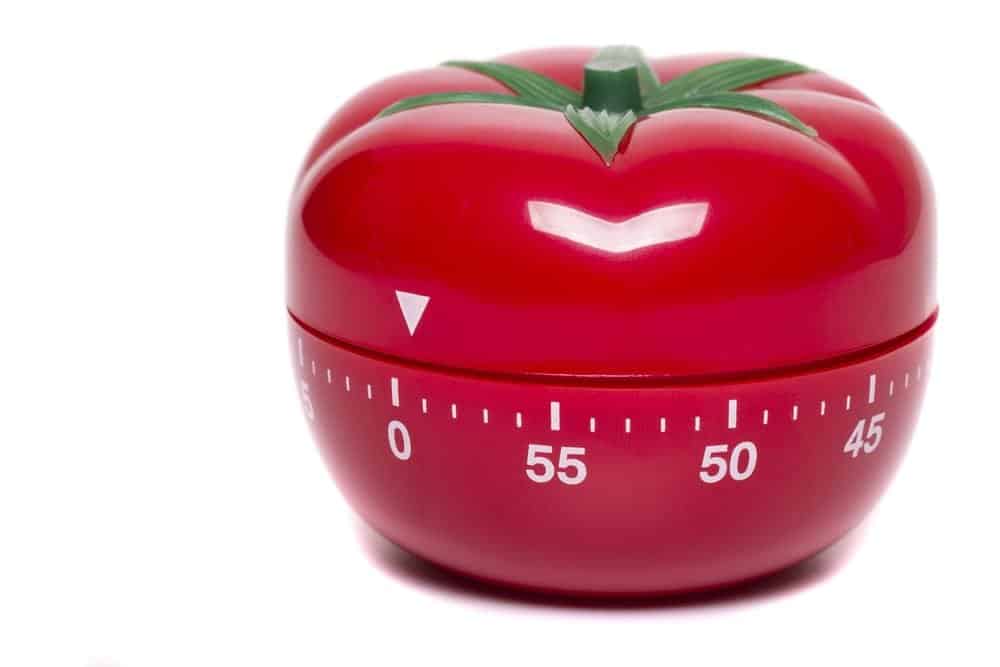
The pomodoro timer is one of the simplest ways to regain control of a chaotic working day. For UK women founders juggling client work, admin, marketing and HMRC deadlines, 25 minutes of focused work followed by a short break can be the difference between finishing on time and burning out. Women in Business: Key UK Facts sets out why this matters: the number of women running their own ventures has grown steadily, and with it the pressure to manage everything alone.
Danielle Worster discovered the technique when she first started working for herself. She swapped a bustling open-plan office for a quiet room and found herself facing a bewildering list of urgent, important and unfamiliar tasks. If that sounds familiar, the method she used is worth testing.
Why focus falls apart when you work for yourself
Self-employment offers flexibility, but it also removes the structure of a paid job. According to ONS Labour Market Statistics from 2024, around 1.7 million women in the UK are self-employed. Many are sole traders or run micro-businesses where they are responsible for sales, delivery, finance and compliance.
Without clear boundaries, the day fragments into reactive firefighting. The Health and Safety Executive’s 2023/24 Labour Force Survey estimates that 776,000 workers in Great Britain were suffering from work-related stress, depression or anxiety. The HSE also estimates that 17.1 million working days were lost to these conditions in 2023/24. The CIPD’s 2024 Health and Wellbeing at Work report identifies stress as one of the leading causes of both short- and long-term absence. For women running businesses alone, the risk is compounded because there is no team to absorb the pressure.
The Federation of Small Businesses’ 2024 research found that many small business owners regularly work beyond standard hours, with admin and compliance tasks eating into evenings and weekends. The Alison Rose Review of Female Entrepreneurship continues to highlight the economic contribution of women-led businesses, yet many founders still lack the operational support that larger employers provide.
Context switching makes the problem worse. Research consistently shows that shifting between tasks reduces the quality of deep work and extends the time needed to complete it. When every email, invoice and social notification feels urgent, strategic thinking is the first thing to disappear.
How the pomodoro timer works
The technique was created in the late 1980s by Francesco Cirillo, who used a tomato-shaped kitchen timer to structure his university study. The name comes from the Italian word for tomato.
The rules are simple. You choose one task, set a timer for 25 minutes and work on that task until the timer rings. Then you take a five-minute break. After four cycles, you take a longer break of 15 to 30 minutes. The unit of focused work is called a pomodoro.
The value is not the tomato timer itself. It is the commitment to single-tasking and the built-in recovery time. For women founders who move between client calls, bookkeeping and content creation, the timer creates a clear signal: this block is for one thing only.
Adapting the technique to your business day
Danielle modified the standard 25-minute block to 30 minutes because it felt more meaningful for the reading and planning tasks she needed to complete. That flexibility is important. A 25-minute block may suit emails or admin, while a 45-minute block may be better for writing a proposal or reviewing a contract.
Try these adjustments:
- Match the block to the task. Short, repetitive jobs fit 25 minutes. Complex work may need 45 or 50 minutes with a ten-minute break.
- Take active breaks. Stand up, stretch, walk to the kitchen or climb a flight of stairs. The HSE recommends regular movement to reduce the musculoskeletal risks of sedentary work. For more on setting up a healthy workspace, see Home Office Ergonomics UK: Boost Productivity in 2026.
- Protect the transition. When the timer rings, jot down where you stopped so you can restart quickly. This prevents the “just five more minutes” drift that turns a break into an extended session.
- Batch similar tasks. Use one pomodoro for invoicing, another for social media scheduling and a third for client emails. Batching reduces the mental cost of switching.
When pomodoro works best for UK founders
The technique is particularly useful for work that requires sustained attention but is easy to postpone. Examples include preparing your Self Assessment tax return, reviewing your Making Tax Digital obligations, or mapping out your quarterly marketing plan.
It is less useful for tasks that are genuinely unpredictable, such as responding to a customer crisis or attending a networking event. On those days, use the timer for the quiet administrative gaps rather than the whole day.
If you employ staff or work with contractors, the same principle applies to meetings. A 25-minute standing meeting with a clear agenda often achieves more than an hour-long discussion that drifts off topic. For a broader look at productivity in women-led firms, read Workplace Productivity in UK Women-Led Businesses 2026.
Five action steps to test this week
- Pick one task you have been avoiding.
- Set a timer for 25 minutes and remove distractions.
- Work until the timer rings, then take a five-minute active break.
- Repeat for four cycles, then take a longer break.
- At the end of the day, note what you completed and how you felt.
Productivity is personal. Some people need the strict 25-minute limit; others, like Danielle, get better results with a 30-minute block. The goal is not perfection. It is to create a rhythm that protects your attention and your wellbeing.
Final thoughts on using pomodoro timers
A pomodoro timer will not solve every pressure of running a business, but it is a practical tool for women founders who feel pulled in multiple directions. By breaking the day into focused blocks and building in recovery time, you can move from reactive firefighting to deliberate progress. Test it for a week, adjust the intervals to suit your work and notice whether you finish the day with more energy and a clearer mind.