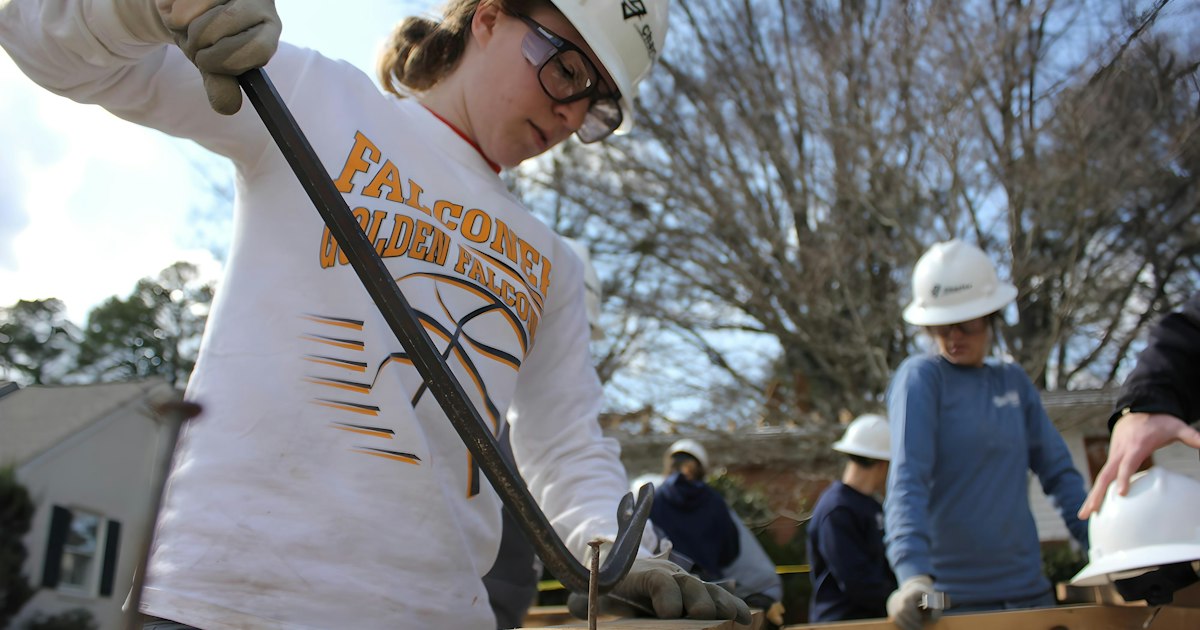
A female flight engineer apprenticeship in the UK is one of the most hands-on routes into engineering. You do not need a university degree to start. A school-leaver apprenticeship can take you straight into testing, certifying and maintaining aircraft, while you earn a wage and gain nationally recognised qualifications.
Women are still under-represented in engineering, but representation is rising. EngineeringUK’s 2024 workforce report estimates that women now make up around 16.5% of those working in engineering roles, up from roughly one in ten a decade ago. In aerospace and aviation specifically, women engineers and technicians remain a minority, which means employers are actively recruiting women into apprenticeships and early-career programmes. For broader context on women in the UK workforce, see our Women in Business: Key UK Facts page.
Apprenticeships are not only a route into employment; they can also lead to self-employment or contracting later in your career. Many experienced aircraft maintenance engineers work as contractors, run small consultancies, or move into training and compliance roles. If you want a career that combines technical skill with long-term business potential, this path is worth exploring.
The work of a flight or aircraft maintenance engineer
The job title “flight engineer” is more common in military or large commercial aviation overseas; in the UK, the equivalent hands-on role is usually called an aircraft maintenance engineer, licensed aircraft engineer or avionics engineer. Day-to-day responsibilities can include:
- Inspecting, testing and repairing airframes, engines and electrical systems.
- Diagnosing faults using diagnostic equipment and technical data.
- Carrying out scheduled maintenance to keep aircraft airworthy.
- Running ground tests and flight simulations to verify systems.
- Signing off work and maintaining safety and certification records.
Modern aircraft are packed with software, sensors and composite materials, so the work is as much about data analysis and problem-solving as it is about using tools. For anyone with an inquisitive mind who enjoys maths, physics and technology, it is a genuinely varied career.
Starting a female flight engineer apprenticeship in the UK
There are several entry routes, but an apprenticeship is the most direct way to earn while you learn. Current options include:
- Aerospace engineering apprenticeships – typically Level 2 or 3, leading to NVQs, BTEC Nationals or a Higher National Certificate (HNC) in aerospace, electrical or mechanical engineering.
- Aircraft maintenance apprenticeships – often with airlines, MRO (maintenance, repair and overhaul) providers or military contractors, and can lead to a Part-66 aircraft maintenance licence from the Civil Aviation Authority.
- T Levels – the two-year technical qualification, such as the Department for Education’s T Level in Engineering, Manufacturing, Processing and Control, can provide progression into an apprenticeship or higher technical study.
- Degree apprenticeships – combine a full-time job with a university degree; useful if you want to move into aerospace design, systems engineering or management later on.
Apprentices are paid at least the Apprenticeship National Minimum Wage, which applies to apprentices aged under 19 or in the first year of their apprenticeship, according to gov.uk guidance. Rates are reviewed annually and many aerospace employers pay significantly more. You will also get holiday pay, on-the-job mentoring and, in many cases, support towards professional registration with the Engineering Council as an Engineering Technician (EngTech) or Incorporated Engineer (IEng).
Salary and career progression
Starting salaries for apprentices in aerospace and aviation vary by employer and location. Once qualified, aircraft maintenance engineers can earn competitive salaries, particularly if they hold a Part-66 licence, work shifts at major airports, or specialise in high-demand areas such as avionics. Senior engineers, inspectors and managers can move into well-paid roles, and some experienced engineers choose to work as contractors or start their own maintenance support businesses.
Beyond pay, the career offers stability. Aviation is a regulated industry with ongoing demand for certifying engineers, and the skills you gain are recognised across the UK and internationally. That makes it easier to negotiate flexible working, relocate, or build a portfolio career over time.
Because engineering skills are transferable, you can also move into related fields such as defence systems, renewable energy, rail or automotive engineering later in your career. If you are switching sector later in life, our Career Change at 40: A Practical Guide for Women has transferable advice.
Support for women in aviation engineering
If you are worried about entering a male-dominated environment, organisations such as the Women’s Engineering Society (WES), WISE and the Royal Aeronautical Society offer mentoring, networks and careers advice. WES runs events and campaigns specifically for women in engineering, while WISE focuses on increasing the participation of women in science, technology and engineering roles. The Royal Aeronautical Society also provides professional development and specialist aerospace communities.
Many employers have women’s networks, STEM ambassadors and outreach programmes aimed at school-age girls. These can help you build confidence, find role models and understand what to expect before you apply.
For inspiration from another woman building a technical career in a skills-shortage sector, read our Bristol Woman Trains the Next Generation of Tradeswomen Amid UK Skills Crisis case study.
Next steps to find your apprenticeship
Start by researching apprenticeships on the government’s Find an apprenticeship service, and check individual aerospace employers’ careers pages for school-leaver schemes. You can also speak to your careers adviser about T Levels, college courses and work experience placements.
A female flight engineer apprenticeship in the UK is not just a way into aviation, it is a route into a respected, well-paid engineering career. If you are curious, practical and ready to learn, the industry needs people like you.