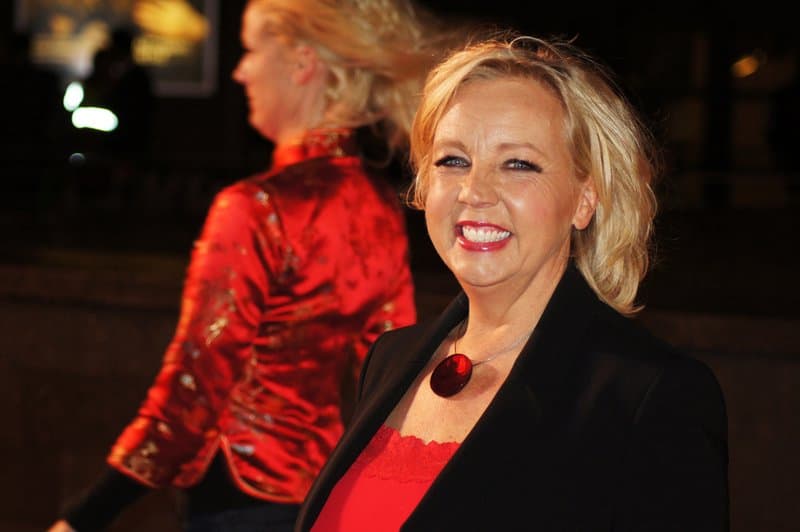
This Deborah Meaden profile covers how one of Britain’s best-known entrepreneurs built her fortune and what her career means for women founders today. Born on 11 February 1959, Meaden is 67 as of 2026. She has been a “dragon” on BBC’s Dragons’ Den since 2006 and has invested in dozens of businesses during her time on the show. For women founders in the UK, her career offers a practical case study in scaling a family business, exiting at the right time, and reinvesting capital into new ventures.
Deborah Meaden profile: career at a glance
- Born: 11 February 1959
- Best known for: Investor on BBC’s Dragons’ Den since 2006
- Business background: Former managing director of Weststar Holidays
- Estimated net worth: £40 million to £50 million (unverified estimates)
- Key interests: Sustainable business, animal welfare, sepsis awareness
How she built her business fortune
Meaden grew up in a business-oriented family and entered the leisure sector through Weststar Holidays, a family-run holiday park operator based in the South West. She became managing director and expanded the business through a mix of organic growth and acquisitions, increasing the number of parks under its control. In 2005, she sold a stake in the company for a reported multi-million-pound sum, according to business press reports at the time. She sold her remaining interest in 2007. Those transactions gave her the capital to move from operator to investor and to build the property and equity portfolio she manages today.
Dragons’ Den and her investment approach
Meaden joined the BBC’s Dragons’ Den in 2006 and has since invested in dozens of businesses during her time on the show. Her portfolio spans technology, retail, food and drink, and sustainable products. Notable investments include:
- Billy + Margot – premium dog food
- Gripit Fixings – plasterboard fixings
- rCup – reusable coffee cups made from recycled paper cups
- Yoomi – self-warming baby bottle
Her approach on the show is direct: she focuses on unit economics, founder credibility, and whether the business has a genuine market. If you are preparing to pitch investors, our Pitch Deck Guide for Female Founders UK covers the same fundamentals Meaden typically tests in the Den.
What Deborah Meaden is worth in 2026
Estimates of Meaden’s net worth vary. Celebrity wealth trackers and newspaper rich lists place her fortune at between £40 million and £50 million as of 2026, though these figures are unverified. The bulk of her wealth came from the Weststar exit, with additional income from television, property, and her investment portfolio.
Books and media: Common Sense Rules
In 2009, Meaden published Common Sense Rules: What You Really Need to Know About Business. The book distils her approach to risk, decision-making, and day-to-day management. For women founders, it offers a no-nonsense alternative to management theory written by someone who has actually built and sold a business.
Health advocacy and sepsis awareness
Meaden has spoken publicly about contracting sepsis after a minor hand injury became infected. She credits rapid medical intervention with saving her life and now works with the NHS and sepsis charities to raise awareness of the condition’s symptoms. For founders who often put business ahead of their own health, her experience is a reminder that seeking medical attention quickly can be life-saving.
Sustainability, philanthropy and investment choices
Meaden’s investment choices increasingly reflect her interest in environmental and animal welfare causes. She has backed businesses with sustainable supply chains, recyclable packaging, and ethical sourcing, and has supported wildlife and conservation charities. This aligns with a wider pattern among UK businesses, in which women-led businesses are often concentrated in sectors such as health, education, and sustainability. If you can demonstrate genuine environmental credentials, you may find it easier to attract both customers and values-driven investors.
The UK context for women founders
Meaden’s success is not typical of the wider environment for women founders in the UK. The 2019 Alison Rose Review of Female Entrepreneurship found that only 5.6% of women in the UK start a business, compared with 11.2% of men. The same review estimated that if women started businesses at the same rate as men, it could add up to £250 billion to the UK economy.
Access to funding remains a persistent gap. The British Business Bank reported in its 2023/24 Small Business Finance Markets report that women-led businesses accounted for around 15% of UK equity deals, while all-female founder teams received just 2% of UK equity investment. Government-backed schemes such as Start Up Loans and the Help to Grow: Management programme are designed to address some of these barriers, but the gap has not closed.
Practical lessons for UK women founders
Meaden’s career illustrates several principles that apply to women running businesses in the UK today:
- Know your numbers. In the Den, Meaden repeatedly asks founders for margins, cost of acquisition, and cash flow. The same discipline is essential when you apply for business grants for women in the UK or approach investors.
- Exit planning matters. The Weststar sale shows the value of building a business that can be sold, not just one that pays a salary.
- Reinvest your gains. Meaden used her Weststar proceeds to diversify into multiple sectors. For founders who have had one successful exit, angel investing can be a route to both returns and mentorship.
- Back businesses you believe in. Many of her investments have an ethical or sustainable angle, which can also attract customers and talent.
Conclusion: lessons from Deborah Meaden
This Deborah Meaden profile shows that operational experience, disciplined financial management, and a clear investment thesis can create long-term wealth. For women founders, the takeaway is straightforward: understand your business inside out, plan for the long term, and only back ventures you are prepared to stand behind.