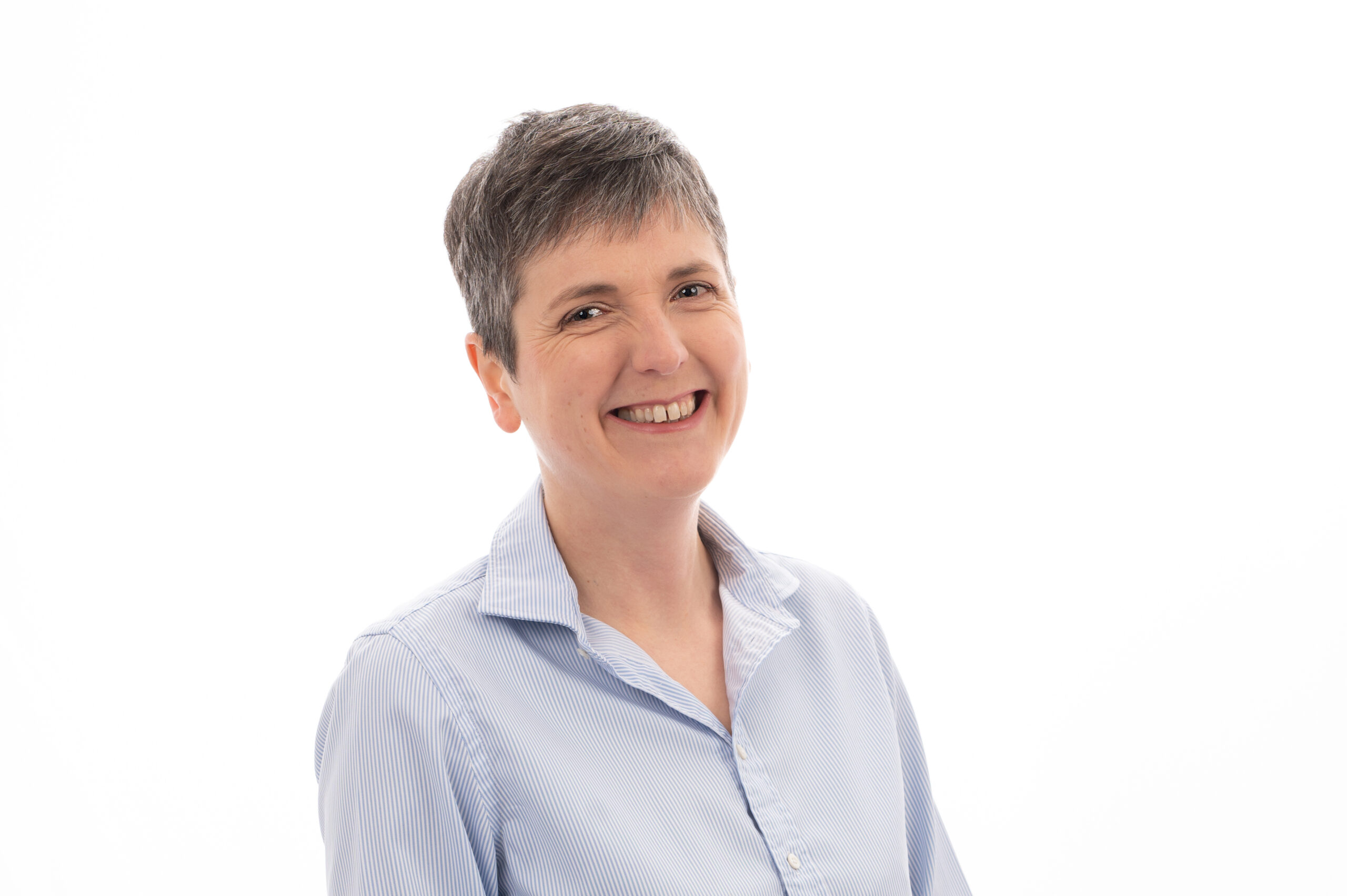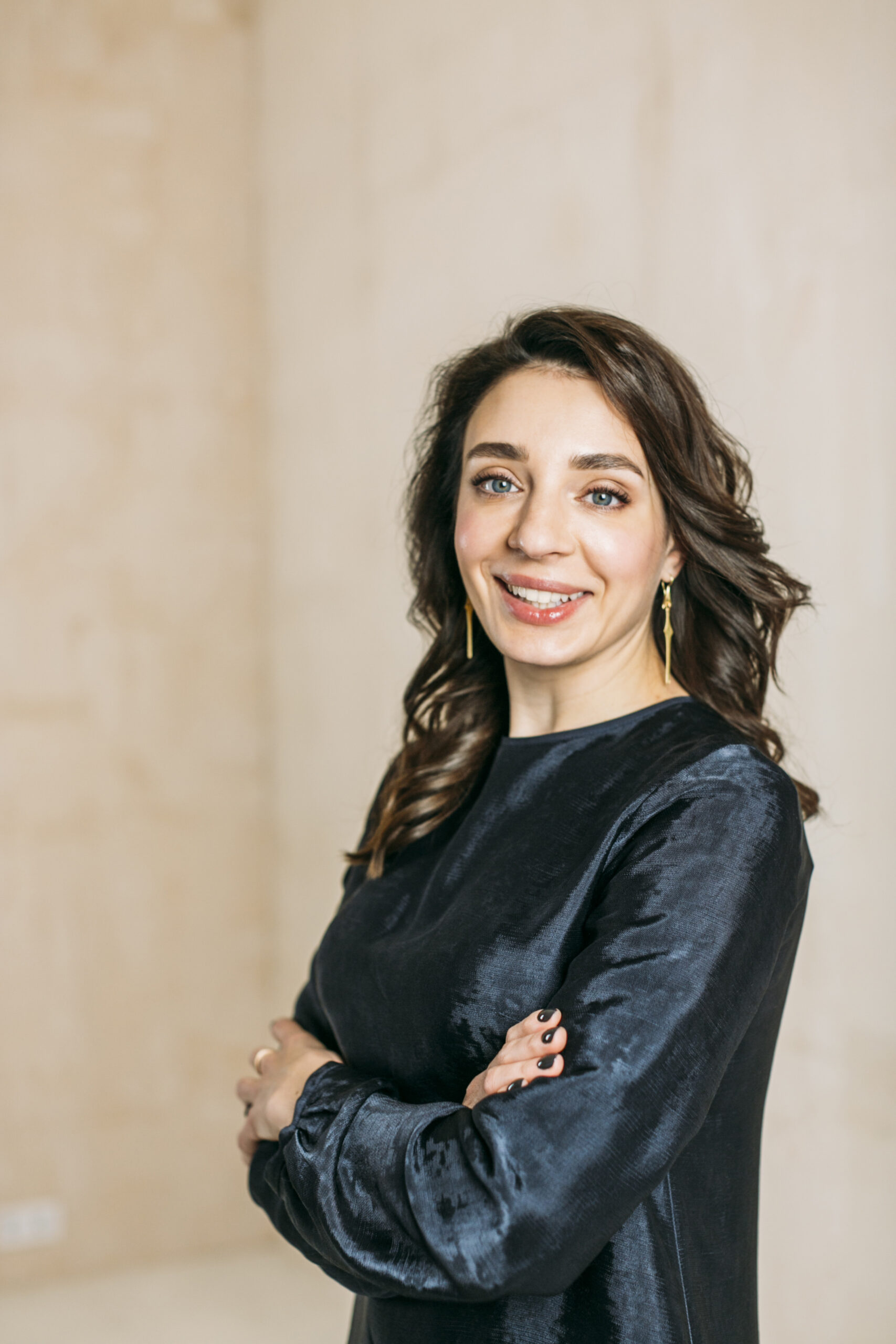
Dana Zilberstein takes the world’s best brands into new markets, intact. A former Groupon International VP and an AI-first operator, she rebuilt her company in a single year from more than 30 employees to a team of five, run on AI agents she designed herself, while the business kept growing and its key brand partnerships held. She has launched more than 150 brands across Israel and Asia Pacific and is Co-Founder and CEO of Fine Rituals.
Growing a business without a big team sounds like a constraint. Dana Zilberstein treats it as her whole method.
Before co-founding Fine Rituals in 2016, she spent four years as VP of Sales and Business Development, International, at Groupon, and then ran the startup Gamba SocialApp as Managing Director, raising its Seed and Series A. Fine Rituals takes international beauty brands into new markets. Its first is Israel, where every cosmetic product needs Ministry of Health registration before it can be sold. She grew the operation past 30 people and watched it buckle. Then she took it back down to five in a single year, replacing the repeated work with AI agents she had designed herself. The business kept growing through the change, and the partnerships that mattered most stayed with her.
Her company now runs across Israel and Asia Pacific. That sounds a world away from a five-person firm in Manchester or Bristol. The pressures she describes are the ones every small-firm owner knows: hiring to look bigger, spreading attention thin, and being read as difficult when you say no.
The bigger team that taught her to build small
“What failed first was me trying to look big,” she says. “Like many founders, I thought a bigger team meant progress. The operation grew to more than 30 people, and it started to slow us down. More people meant more handovers, more mistakes and less of my own judgment in the decisions that mattered.”
The instinct to equate headcount with progress is common. The UK private sector held 5.7 million businesses at the start of 2025. Three in four of them employ no one, according to the Department for Business and Trade’s Business Population Estimates. Most British businesses never hire, and the ones that do overwhelmingly stay below 50 people. Small is the norm. The pressure to look bigger is a choice, and an expensive one.
Her response was to go through the company task by task. “I took the company from more than 30 employees to five. I went through every role, every process and every repeated task myself, and asked one question: does this need a person, or does it need a system? Where the answer was a system, I built it, with AI.”
The restructure held because she protected the relationships through it. Every partner still had a person who knew them, answered them and kept every promise the company had made. “Cutting is easy,” she says. “Cutting while keeping the growth, the quality and the trust of every brand and customer is the real work. It took a woman’s kind of strength: calm, relentless and personal.”
Does this need a person, or does it need a system?
The question is the method. She asked it of every role she had, and the answers drew a line between the work that needed her judgment and the work that needed repeating.
The systems she built are AI agents, each with a job a person used to do: market research and a full market-entry plan for every brand, Hebrew labels, regulatory paperwork, deal follow-ups and the daily reports her team reads each morning. Many of them work overnight while she sleeps. She is not an engineer, and she did not buy a product. “I learned this the way I learned regulation in 2016, by doing it myself, every day, until it worked.”
The tools are spreading through the UK economy unevenly. A third of UK businesses, 32 per cent, were using at least one AI technology in 2026. That is double the 16 per cent of a year earlier, according to the government’s AI adoption survey. Uptake is highest among large firms, at 52 per cent. The smallest businesses remain the least likely to use AI at all. Zilberstein’s version sits at the far end of the curve: not a subscription, but a set of agents built around her own processes and maintained by one person.
AI drafts, a person signs
The engine did not replace her judgment, and that distinction is the part worth copying. Every output crosses her before anything leaves the company.
It has been wrong in ways that mattered. “The engine once sized a launch plan for a small product range as if it were a full line, and the numbers looked impressive. I knew the range, I knew the market, and I cut it down to something real. That is my rule: AI drafts, a person signs.”
For a reader running a firm of five, the rule is the same. Decide which decisions are yours alone: the pricing call, the partnership call, the standard you will not drop. Let systems draft everything else, and read every draft before it goes out the door.
Growing across borders without a big team
The standard advice for selling abroad is to put people on the ground. Hers is the opposite: own the hard parts yourself.
What did that first year cost? “It cost me my comfort zone.” She was the regulatory department, the logistics desk and the sales team, often on the same day. Israel requires Ministry of Health registration for every cosmetic product before it can be sold. Most foreign brands hear that and walk away. She learned to file the registrations herself, one by one, rather than hand the work to anyone else. The barrier other companies walked away from became the reason her business existed.
Her first partner was a British luxury skincare brand, and the partnership taught her the rule she still works by: “a founder does not want the partner who can sell the most. She wants the one who will not damage what she built.”
Her advice to a UK founder heading abroad: “You do not need a team on the ground. You need to own the hard parts yourself, and pick the five places that will tell your story properly before you look for the fifty that will stock you.”
What saying no earns you
She describes her growth as selective. She has turned down discount channels, mass retail and deals that would have looked good in a quarter and hurt a brand for years.
“Saying no as a woman in a negotiation room is often read as being difficult. I learned to say it anyway, calmly, and to walk away when a partnership was not fair to both sides.”
What it earned her is trust. Founders talk to each other, and the ones who come to her now come because they have heard she protects the brand first. In her words: “Every no protected a yes that mattered more.”
Stop measuring yourself by the size of your team
If she could speak to herself in 2016, she would keep it short: “Own the hardest part of your business, not the easiest. Stop measuring yourself by the size of your team. And stop apologising for saying no.”
She would also tell her younger self that the hardest year the company went through would turn out to be the best thing that happened to it: “That was when she stopped building what a company is supposed to look like and started building what actually works, and found out how strong she really was.”
The question at the centre of her method is available to any founder with a process list and a free afternoon. Does this need a person, or does it need a system? Write down what only you can sign off, and start building systems for the rest.
For more on the women running small firms like yours, see our key UK facts on women in business, our guide to negotiating with suppliers, and what to do when founder dependency is holding your business back.