Great marketing still starts with emotional connection, but in 2026 it also has to work harder. Budgets are tighter, audiences are more sceptical, and the channels that reach customers change constantly. For women running UK businesses, the question is not which big brand had the flashiest advert, but which marketing campaigns UK women-led businesses can learn from with limited time and money.
According to the 2023 Alison Rose Review of Female Entrepreneurship Progress Report, women now account for around one in three UK entrepreneurs. Women in Business: Key UK Facts sets out the wider picture. Yet many women-led firms still operate with lean marketing budgets. The good news is that the most effective campaigns often rely on clarity, authenticity, and consistency rather than massive media spend. Why Authenticity Became the Only Marketing Lever That Still Works makes the same point: trust is now the main currency of marketing.
Here are four campaigns that demonstrate principles any UK women-led business can adapt.
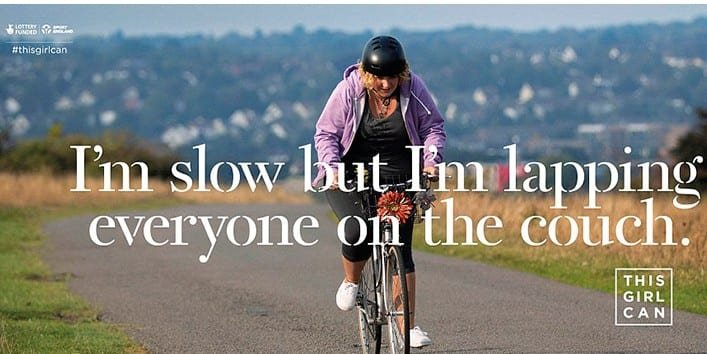
1. Sport England: This Girl Can
Sport England’s This Girl Can campaign launched in 2015 and is still running because it tapped into something lasting. Instead of using professional athletes or polished imagery, it showed real women sweating, wobbling, and enjoying sport exactly as they were. The message was simple: exercise is for everyone, not just people who already look fit.
The campaign worked because it reflected the audience back to itself. Women saw people who looked like them, with the same insecurities and time pressures. Sport England reported in 2020 that the campaign had helped 3.9 million women become more active.
What women-led businesses can learn: Representation matters. Use real customers, real team members, and real stories in your marketing. Polished stock photography can feel distant; authentic images and testimonials build trust faster. If your product or service solves a problem you have personally experienced, say so. Your own story is a marketing asset.
2. Bodyform: Womb Stories
Bodyform’s Womb Stories, created by the UK agency AMV BBDO, won multiple effectiveness awards by treating a taboo subject with honesty. The animated film showed the full reality of women’s reproductive lives, from periods and endometriosis to miscarriage and menopause. It did not use euphemisms or soft lighting. It named experiences that millions of women recognised but rarely saw in advertising.
The campaign was effective because it was rooted in genuine insight. Bodyform researched women’s experiences extensively and then built creative work around what it learned. The result was a brand that felt like it understood its audience rather than simply selling to them.
What women-led businesses can learn: Start with customer insight, not product features. Talk to your customers, read their reviews, and identify the unspoken frustrations they face. When your messaging names a problem your audience has not heard articulated before, you become memorable. This is especially powerful for service-based businesses, where expertise and empathy are part of the product.
3. Innocent Drinks: A distinctive tone of voice
Innocent Drinks built its UK smoothie brand on a tone of voice that sounds like a friendly, slightly silly conversation rather than corporate marketing. From the packaging copy to social media posts, the brand uses short sentences, self-deprecating humour, and plain language. That consistency made it one of the most recognisable food and drink brands in the UK.
What makes this relevant to smaller UK businesses is that Innocent’s success came from tone and consistency rather than from outspending larger rivals. The company defined how it wanted to sound and applied that voice everywhere, from bottle labels to customer service replies. That made every touchpoint feel like the same brand.
What women-led businesses can learn: You do not need a huge budget to stand out. A clear, consistent tone of voice can differentiate you in a crowded market. Write down three words that describe how your business should sound, for example, “direct, warm, and expert.” Then check every email, social post, and webpage against those words. Over time, this consistency builds recognition.
4. The Cambridge Satchel Company: Founder-led storytelling
Julie Deane founded The Cambridge Satchel Company from her kitchen table in 2008 with just £600. The brand grew rapidly because Deane told the story of how and why she started the company. She spoke about making traditional satchels, manufacturing in the UK, and building a business while raising her children. That founder narrative became central to the brand’s appeal.
The lesson is not that every business needs a rags-to-riches story. It is that people buy from people. When a founder is visible and explains the purpose behind the business, customers feel they are supporting a person with values, not just a faceless company.
What women-led businesses can learn: Put yourself in your marketing. Share why you started the business, what you stand for, and what goes on behind the scenes. This does not mean oversharing. It means giving customers a reason to choose you beyond price. Founder-led content performs particularly well on LinkedIn, Instagram, and in email newsletters.
Lessons from marketing campaigns UK women-led businesses can use
UK marketing data shows that emotional, distinctive, and consistent campaigns outperform generic ones. The IPA’s effectiveness research, including Binet and Field’s 2013 study The Long and the Short of It, has found that campaigns built on emotional appeal and long-term brand building generate stronger commercial returns than short-term sales messaging alone. The most effective campaigns balance both.
For small businesses, this is encouraging. You may not be able to book a national television slot, but you can choose authenticity over polish, consistency over novelty, and insight over jargon. The Advertising Association and WARC reported in 2024 that UK advertising spend continued to grow, with much of that growth in digital channels where smaller businesses can compete on creativity rather than budget.
Ofcom’s Online Nation 2024 report confirms that social media remains one of the main ways UK adults discover products and services. This means the platforms where authenticity and founder stories thrive are the same ones where your customers already spend time. Grow Your Business Presence Online: 7 Steps for UK Women in Business offers a practical framework for turning that attention into results.
Apply these lessons to your business
- Audit your website and social media for stock imagery and replace at least some of it with photos of real customers, your workspace, or your team.
- Interview three customers this month and identify one unspoken frustration your marketing can name.
- Write a short tone-of-voice guide with three words that describe how your business should sound, and apply it to your next ten posts or emails.
- Add a founder story page or post that explains why you started the business and what you believe.
- Review your marketing mix to make sure you are building long-term recognition as well as chasing short-term sales.
The best marketing campaigns do not require the biggest budgets. They require a clear point of view, a genuine understanding of the audience, and the discipline to stay consistent. These are marketing campaigns UK women-led businesses can learn from, and they are entirely within reach.