Going global with your online business is now a realistic next step for many UK women founders. E-commerce platforms, digital payments and international shipping have lowered the barriers to selling overseas, but expansion only works if you localise properly and stay on the right side of UK and overseas tax rules. This guide sets out what to check before you start taking international orders.
Why UK women founders should look overseas
The UK e-commerce market is large but mature, and many women-led businesses are missing out on faster-growing markets abroad. According to the British Business Bank’s Small Business Finance Markets 2024 report, women-led businesses are less likely to export than men-led businesses, partly because of lower awareness of available support and finance. Closing that gap matters: the Office for National Statistics recorded UK business e-commerce sales at £886 billion in 2023, and cross-border online sales continue to rise as a share of total e-commerce.
For product-based businesses in particular, selling into the EU, the US, Australia or the Gulf states can extend your customer base without the cost of opening a physical presence. Service businesses can also scale internationally by delivering online, although you will need to check professional indemnity, data protection and local licensing rules.
Localise before you advertise
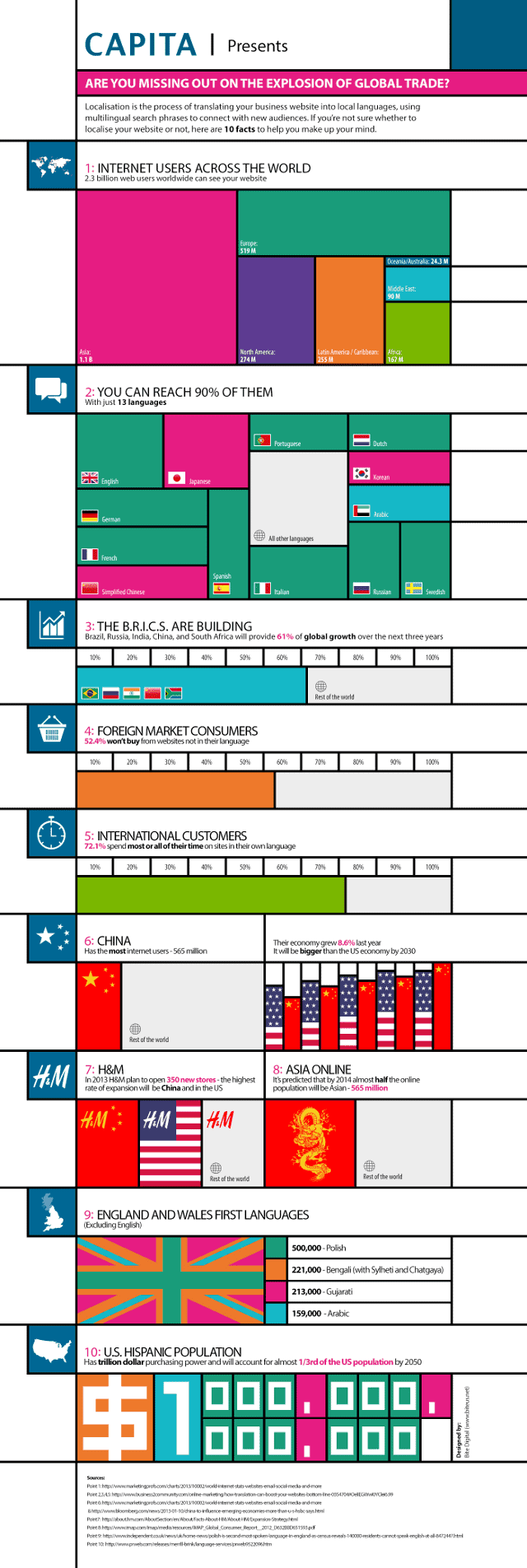
English is widely used in business, but it is not enough to win consumer trust. Research by CSA Research (2020) found that more than 70% of consumers are more likely to buy from a website in their own language, and around 40% will not buy from a site in another language at all. Translation is only part of the task. You also need to adapt prices to local currency, convert measurements, use locally recognised payment methods, and check that imagery and messaging fit cultural expectations.
Start with one market rather than trying to localise for ten at once. Choose a country where you already see website traffic or enquiries, then test demand with a localised landing page before you commit to a full store translation.
Get VAT and customs right from day one
Tax is where many first-time exporters come unstuck. In the UK, you must register for VAT if your taxable turnover exceeds the £85,000 threshold, which HMRC has frozen until April 2028. Even if you are below the threshold, you may choose to register voluntarily so you can reclaim VAT on export-related costs.
Exports of goods from Great Britain to customers outside the UK are usually zero-rated for VAT, provided you keep the right evidence that the goods have left the country. Sales to EU consumers have their own rules: since Brexit, UK sellers generally need to account for VAT in the customer’s EU member state once they pass that country’s distance-selling threshold, or use the EU Import One-Stop Shop (IOSS) for consignments worth €150 or less. You will also need customs declarations and commodity codes for most physical goods.
If you are a sole trader, our VAT Registration for UK Sole Traders: 2026/27 Guide explains when and how to register. For digital record-keeping, see the Making Tax Digital Sole Trader: 2026 Checklist for Women.
Pick the right sales channel
You have three main routes when going global with your online business:
- Your own website with international shipping. This gives you the most control over brand and customer data, but you are responsible for checkout localisation, tax calculation and returns.
- Online marketplaces. Platforms such as Amazon, eBay and Etsy already have international traffic and can handle some compliance tasks, though fees and competition are higher.
- Local partners or distributors. Useful for complex products or markets where personal relationships matter, but choose partners carefully and agree terms in writing.
Customer service is often overlooked. A UK phone number can look expensive or unfamiliar to overseas buyers. A local virtual number in your target market, combined with clear response-time promises, can improve conversion rates. Our article on how international businesses save money with virtual phone numbers explains the options.
Free UK support for exporters
Several UK organisations offer free or low-cost help for small businesses expanding overseas:
- UK Export Academy. The Department for Business and Trade runs free online and in-person courses covering market selection, regulations, finance and logistics.
- British Business Bank. Its guides and programmes, including the Start Up Loans scheme and regional funds, can help women founders access working capital for export growth.
- Department for Business and Trade (DBT). DBT trade advisers can provide one-to-one support, market intelligence and introductions to overseas buyers.
You can also check whether your sector has a trade association with export resources, or whether your local growth hub runs international trade events.
Your next steps for going global with your online business
Going global with your online business does not have to mean launching in ten countries at once. The lowest-risk approach is to test one market, measure the results, and refine your offer before scaling.
- Review your website analytics to identify which countries already send traffic or enquiries.
- Check whether your product or service can be delivered legally and profitably to those markets.
- Localise your pricing, payment options and key pages for your chosen market.
- Confirm your VAT, customs and data-protection obligations.
- Register for free support through the UK Export Academy and speak to a DBT trade adviser.
For a broader picture of the UK women in business landscape, see our Women in Business: Key UK Facts page. Going global with your online business takes planning, but the right preparation can turn a small UK operation into an international brand.