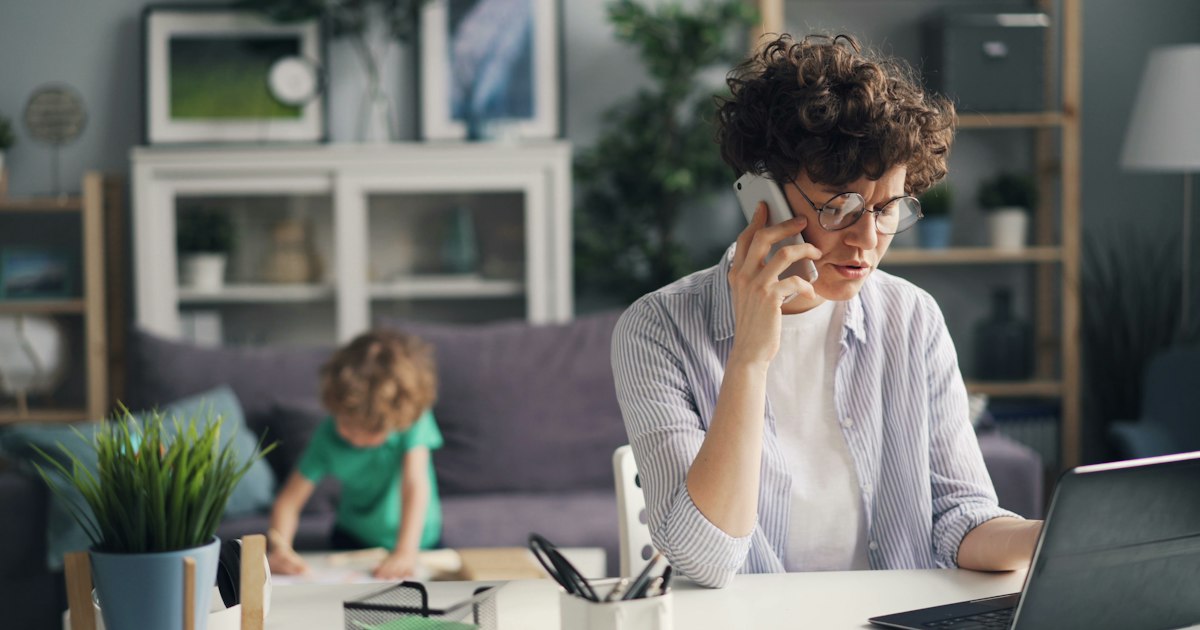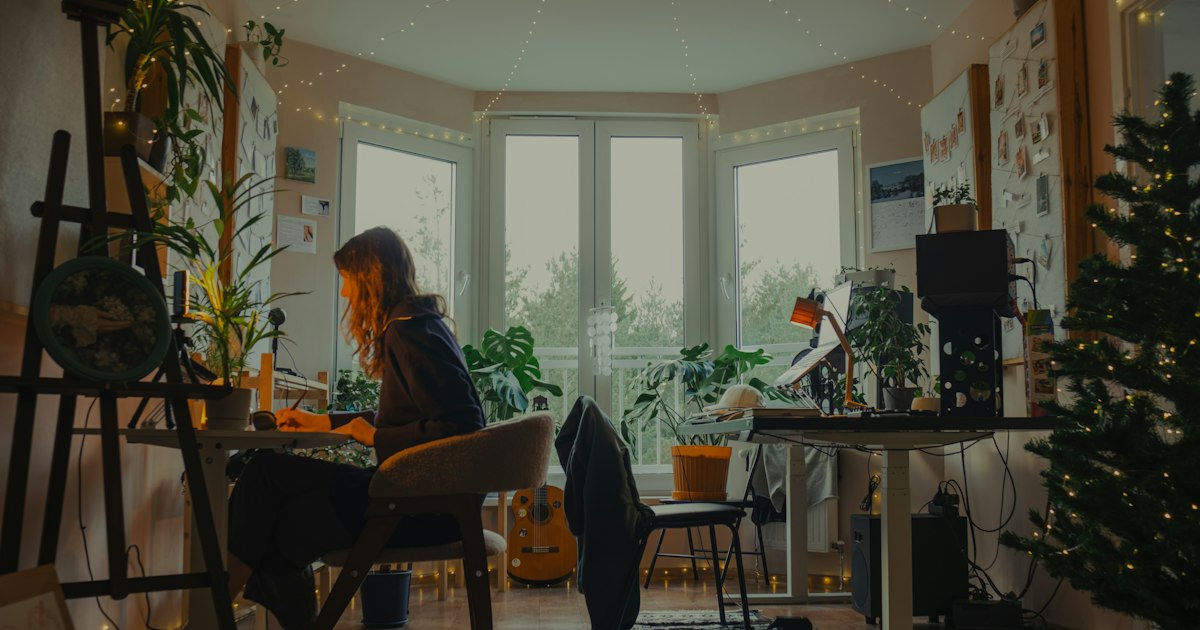
Running a business from home usually means working alone. If you live alone too, feelings of isolation and loneliness can quickly become overwhelming. For UK women founders, who now make up a growing share of the self-employed workforce, working from home loneliness is not just a personal issue; it is a business risk. Social isolation increases vulnerability to mental and physical illness, which in turn undermines your ability to lead, sell and plan effectively. For context on the scale of women-led enterprise in the UK, see Women in Business: Key UK Facts.
That is not always the case, though. There is a difference between loneliness and solitude. You can feel lonely in a crowded room or with someone you do not connect with. Loneliness is a negative state: you feel something is missing. For most people, social connection and relationships built on trust, honesty and closeness are essential to wellbeing.
Some alone time is positive
Solitude is the state of being alone without feeling lonely. Some solitude is important, and the amount varies depending on where you sit on the introvert-extrovert scale. Solitude is a positive state you choose, rather than something imposed on you like loneliness. Rich solitude can be a time to reflect, think creatively and regain perspective.
A good degree of positive alone time is invaluable, but too much can quickly become damaging. Home-based workers need to plan to ensure they get the balance right. Do not leave it to chance: schedule social connection and make it part of your routine.
Spotting the signs of loneliness
It is easy to dismiss a low mood as tiredness or stress, especially when you are juggling clients, cash flow and admin. However, persistent loneliness can show up in subtle ways. You may find yourself avoiding video calls, putting off networking, or feeling irritable and low on energy. Changes in behaviour, such as procrastinating on client work or relying on convenience food, can also be warning signs.
Recognising these signals early matters. The longer loneliness goes unaddressed, the harder it is to rebuild the habits and relationships that protect your health and your business.
The hazards of loneliness
When isolation tips into loneliness, it can spiral into anxiety and depression. Those mental health issues compound loneliness, because depression dampens self-esteem and leaves you feeling dull and uninteresting. You pull away from friends and relationships and become even more isolated.
Research consistently links chronic loneliness and social isolation to serious health risks. A landmark meta-analysis by Holt-Lunstad et al. (2010), published in PLOS Medicine, found that lacking social connections can be as damaging to health as smoking 15 cigarettes a day. Isolation also affects your sleep, lowers immune responses, raises blood pressure and impairs mental and cognitive function. Even when they are relaxed, lonely people tend to have higher stress levels than those with adequate social connection.
Without social contact, most of us start to fall apart.
The commercial cost of isolation
Loneliness should be part of the risk assessment for home-based working. Beyond the health and human costs, there are very real financial consequences.
Productivity is eroded. People who feel depressed are less motivated, work more slowly and with less sense of purpose.
Relationships are essential to any business. If loneliness sets in, relationship building can feel like a chore to be avoided rather than an opportunity to explore.
Innovative thinking is sparked by making connections. Mixing with different people provides fuel for new ideas and creative thinking. Isolation strips away the opportunity for fresh insights that help your business adapt and grow.
Sickness absence rises. Loneliness makes you ill, so there is a direct cost in sick days and lost output.
The scale of working from home loneliness in the UK
Loneliness is not a marginal issue in the UK. According to the Campaign to End Loneliness, around 3.8 million adults in Great Britain experienced chronic loneliness in 2022/23. The Office for National Statistics Community Life Survey 2023/2024 found that 3% of adults in Great Britain felt lonely often or always, and 16% felt lonely often, always or some of the time. Younger and middle-aged adults, including many self-employed people, report some of the highest rates.
Home-based business owners can be especially exposed because they lack the built-in social contact of a traditional workplace. The ONS Labour Force Survey shows that around 1.6 million women in the UK were self-employed in 2024, and a significant proportion run their businesses from home. The Health and Safety Executive reported that 16.4 million working days were lost to work-related stress, depression or anxiety in 2023/2024, with isolation and poor social support among the contributing factors.
The legal landscape has also shifted. The Flexible Working (Amendment) Regulations 2023, which came into force in April 2024, give employees the statutory right to request flexible working from day one. While this applies to employees rather than most founders, it reflects a broader expectation that employers must manage the wellbeing of remote and hybrid workers. Acas and the Health and Safety Executive both publish guidance on supporting home workers, including the risks of isolation. For more detail, see our guide to flexible working rights in 2026.
If loneliness is affecting your mental health, organisations such as Mind, the Mental Health Foundation and the NHS Every Mind Matters service offer free, evidence-based guidance. The Campaign to End Loneliness provides practical advice on rebuilding social connections, and the Samaritans are available 24/7 if you need to talk. You may also find our free workplace mental health tips for UK women in business useful.
Practical ways to stay connected
Building connection into your working week does not have to mean hours of networking. Small, consistent actions are usually more effective than occasional bursts of social activity.
- Schedule contact. Put coffee with a friend, a co-working session or a business call in your diary just as you would a client meeting.
- Join a local network. Look for women’s business groups, coworking spaces or industry meet-ups in your area. Many offer online as well as face-to-face events.
- Use technology wisely. Video calls, forums and social media can reduce isolation, but they are not a full replacement for deeper conversation. Balance screen time with real-world contact.
- Get out of the house. A walk, a gym class or working from a café for an hour can break the cycle of solitude and create incidental social interaction.
- Ask for help. If you are struggling, speak to your GP or a trusted adviser. Loneliness is a health issue, not a personal failing.
It is your choice
The difference between loneliness and solitude is choice. Solitude is something we positively choose; loneliness feels imposed. We would rather not be alone and feel inadequate by ourselves. You can close the gap by choosing to have agency. Take control of your situation. Make social connection a habit and reframe empty working from home loneliness as enriching solitude. Your health, happiness and business will all be better for it.
Start small: book one conversation with a fellow business owner this week, join a local networking group, or simply take your laptop to a shared workspace for a morning. Connection is not a distraction from your business; it is part of its foundation.