Running a business from home can cut your overheads and give you control over your working day, which is why many women founders choose it when they need flexibility around caring responsibilities or want to limit start-up risk. In 2026, UK home-based business owners must navigate HMRC expense rules, Making Tax Digital deadlines, and employment law changes alongside the practical challenge of staying productive in the same space where you relax.
Whether you are a sole trader, a limited company director, or scaling a team from your spare room, this guide sets out the UK-specific steps that turn a home business from a side project into a sustainable operation.
Running a business from home starts with the right workspace
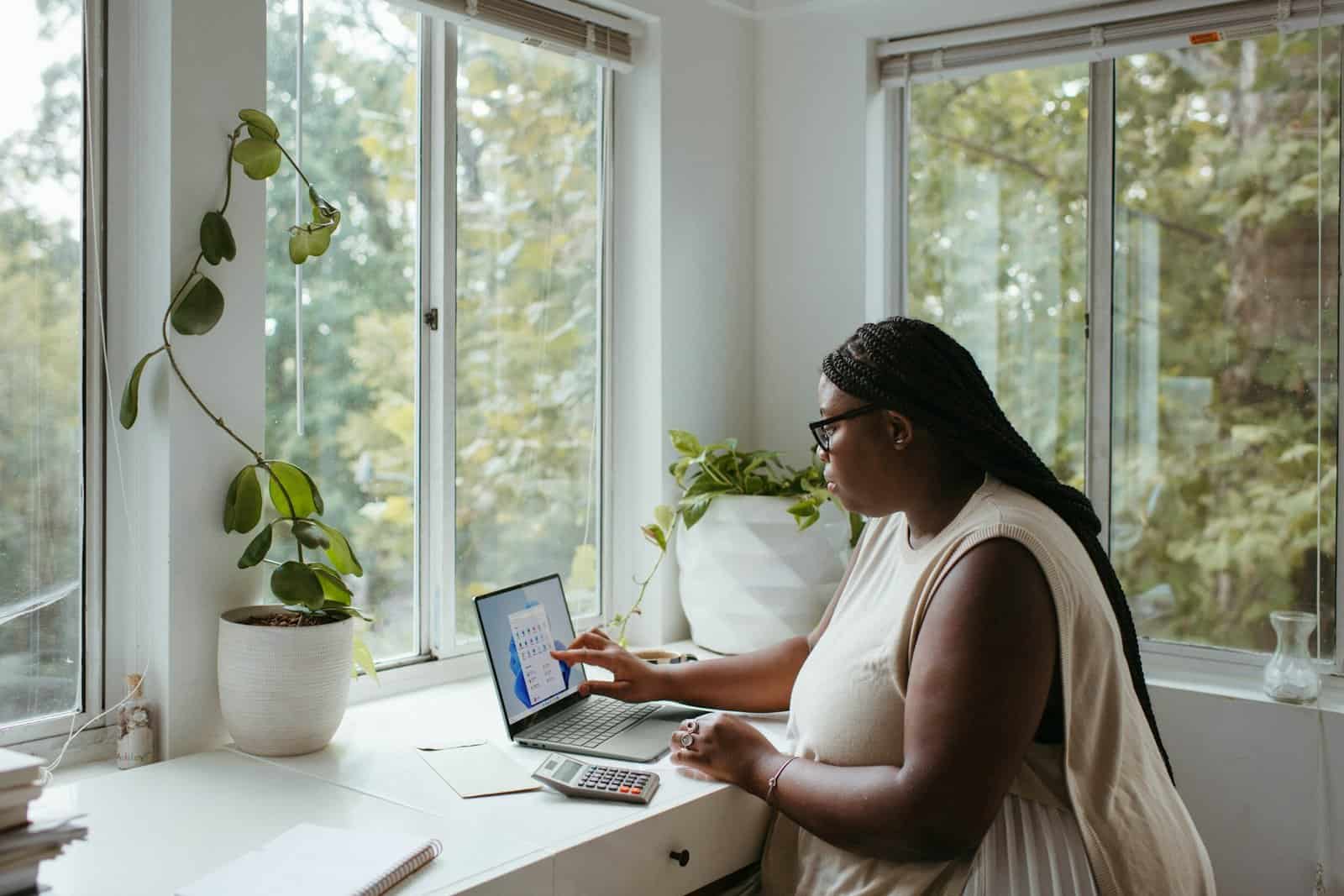
A dedicated workspace is not a luxury when you are running a business from home; it is a tax and health consideration. HMRC allows you to claim home-working expenses, but you need to show that the space is used for business. More importantly, poor posture and blurred boundaries can damage both your body and your output.
Start with an adjustable desk and an ergonomic chair. Position your screen at eye level and take a five-minute break away from the desk every hour. The Health and Safety Executive (HSE) advises that anyone using display screen equipment for an hour or more at a time should plan changes of activity into their working day.
If you can, use a room that can be closed at the end of the day. This physical boundary makes it easier to switch off and protects your mental health when your commute is a flight of stairs.
Claim HMRC home-working expenses correctly
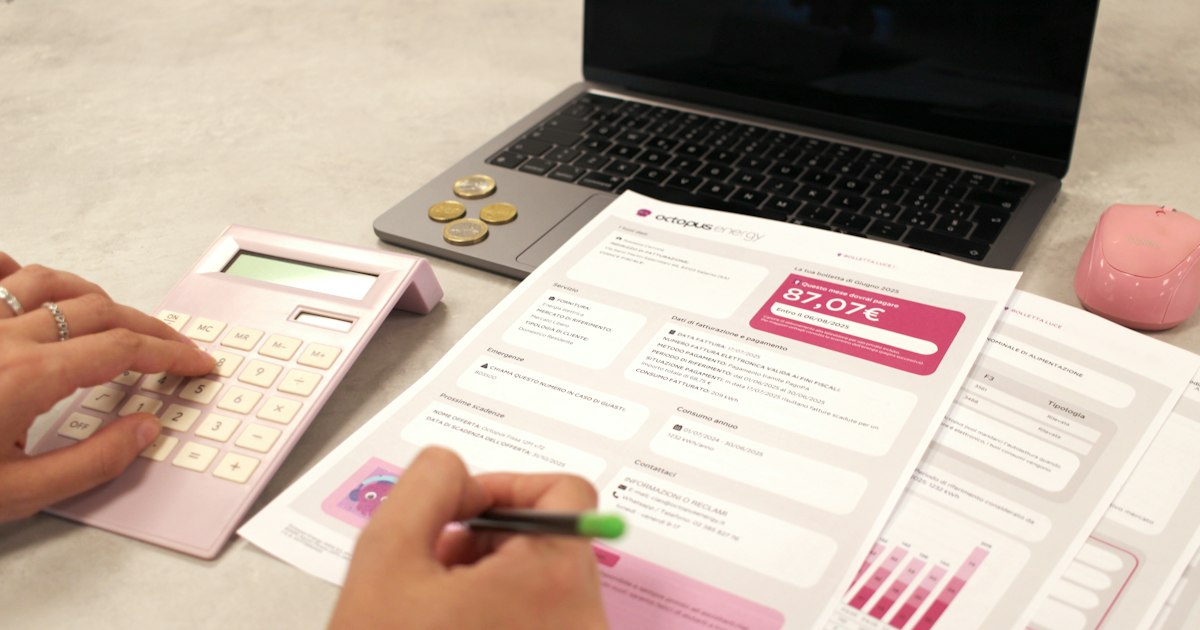
One of the clearest financial advantages of running a business from home is the ability to claim a portion of your household costs. HMRC gives self-employed people two routes: simplified expenses or a proportion of actual costs.
Under the simplified expenses method, you can claim a flat rate based on the number of hours you work from home each month:
| Hours worked from home per month | Flat rate per month |
|---|---|
| 25 to 50 | £10 |
| 51 to 100 | £18 |
| 101 or more | £26 |
These flat rates are set by HMRC’s simplified expenses scheme. If your costs are higher, you can calculate the actual business proportion of heating, electricity, council tax, mortgage interest or rent, internet, and telephone use. You must keep records and receipts. For a detailed breakdown, see our guide to home-working expenses self-employed people can claim through HMRC.
Limited company directors have a different set of rules. HMRC permits them to claim £6 per week (£26 per month) for working from home without keeping receipts, or to claim a proportion of actual costs under an agreed arrangement with the company.
Stay on the right side of UK rules
Running a business from home does not exempt you from business regulation. Three areas trip up new home-based owners: business rates, planning permission, and insurance.
You usually do not pay business rates if you use a small part of your home for business, such as a spare room office. However, if you have converted a room exclusively for business use, or if customers visit your property, your local council may class part of your home as non-domestic. Contact your local authority’s planning department before making major changes.
Be aware that a room used exclusively for business may lose part of its private residence relief for Capital Gains Tax when you sell the property. HMRC guidance states that if a room is used solely for business, the gain attributable to that part of the home may be taxable.
If you run a limited company, remember that Companies House now requires all directors and people with significant control to verify their identity. This applies to new and existing companies, and failure to comply can result in penalties. See our guide on Companies House identity verification for female directors.
Check your home insurance policy. Standard contents cover often excludes business stock or equipment. You may need to add business equipment cover, public liability insurance if clients visit, and professional indemnity insurance if you give advice.
Prepare for Making Tax Digital and payroll changes
HMRC has confirmed that from April 2026, self-employed people and landlords with gross income over £50,000 must follow Making Tax Digital for Income Tax Self Assessment. This means keeping digital records and sending quarterly updates using HMRC-compatible software. The threshold drops to £30,000 from April 2027. Our Making Tax Digital sole trader checklist for 2026 walks you through the steps.
If you employ anyone, even part-time, the National Living Wage rose to £12.60 per hour for workers aged 21 and over in April 2026, following Low Pay Commission recommendations. You must also enrol eligible staff into a workplace pension and run payroll through HMRC-recognised software.
Build routines that protect your time
Productivity at home depends on boundaries more than willpower. Start each day by writing down the three most important tasks and estimate how long each takes. Work on the hardest or most time-sensitive task first, when your energy is highest.
Take regular breaks. Short breaks help you maintain concentration and reduce physical strain. Step outside, make a drink, or do a household task during a scheduled break, not whenever the impulse strikes.
Set a firm finish time and close your workspace if you can. When your office is also your living room, a shutdown ritual, such as clearing the desk and turning off work notifications, signals that the working day has ended.
Action steps for your home-based business
- Audit your workspace for ergonomics and create a clear boundary between work and home.
- Choose the right HMRC expense method for your situation and keep records from day one.
- Check your insurance, council tax, and planning position before clients visit or stock piles up.
- Confirm whether Making Tax Digital for Income Tax applies to you from April 2026.
- Build a daily routine with set start and finish times, and join a women in business network for support.
Running a business from home in the UK is perfectly achievable, but success comes from treating it as a real business from the start. Get the tax, legal, and workspace basics right, and you give yourself the structure to grow without burning out.