Working from home is now a permanent feature of UK working life rather than a temporary fix. According to ONS Opinions and Lifestyle Survey data from 2025, 44% of workers in Great Britain had hybrid working arrangements and 13% worked mainly from home. For women running businesses, leading teams, or building freelance careers, the ability to manage your work when working from home has become a core professional skill.
The challenge has shifted from simply getting online to creating a sustainable routine that protects productivity, complies with UK employment and tax rules, and supports your wellbeing. Whether you are an employee with a day-one right to request flexible working, a sole trader claiming home office costs, or a founder managing a distributed team, the systems you put in place will determine whether remote work helps or harms your business.
Manage your work when working from home: six practical steps
1. Know your flexible working rights
From 6 April 2024, changes to the Employment Rights Act 1996 made by the Employment Relations (Flexible Working) Act 2023 gave employees in England, Scotland and Wales a day-one right to request flexible working. You no longer need six months’ service before making a statutory request. ACAS guidance from 2024 confirms that employees can make up to two statutory flexible working requests in any 12-month period, and employers must deal with requests within two months unless an extension is agreed.
Flexible working includes remote working, hybrid patterns, compressed hours, job sharing and altered start or finish times. Your employer can refuse on specific statutory grounds, such as additional cost or inability to reorganise work, but they must follow a fair process. If you are a woman returning from maternity leave or managing caring responsibilities, understanding this process is essential. Read our detailed guide on Flexible Working Rights UK 2026: What Women Need to Know.
2. Build a routine with clear boundaries
Without the physical separation of an office, work can bleed into evenings and weekends. Start by setting core hours and communicating them to colleagues, clients and family. If you have children or other caring responsibilities, block time for school runs or appointments in your calendar so colleagues know when you are unavailable.
Poor work-life balance remains one of the top causes of stress for UK workers, according to CIPD health and wellbeing at work surveys from 2024 and 2025. One practical step is to create a shutdown ritual at the end of each day: close your laptop, review tomorrow’s priorities, and leave your workspace. This simple habit signals to your brain that the working day has finished. For women founders who are also primary caregivers, protecting these boundaries is often the difference between burnout and a business that can grow.
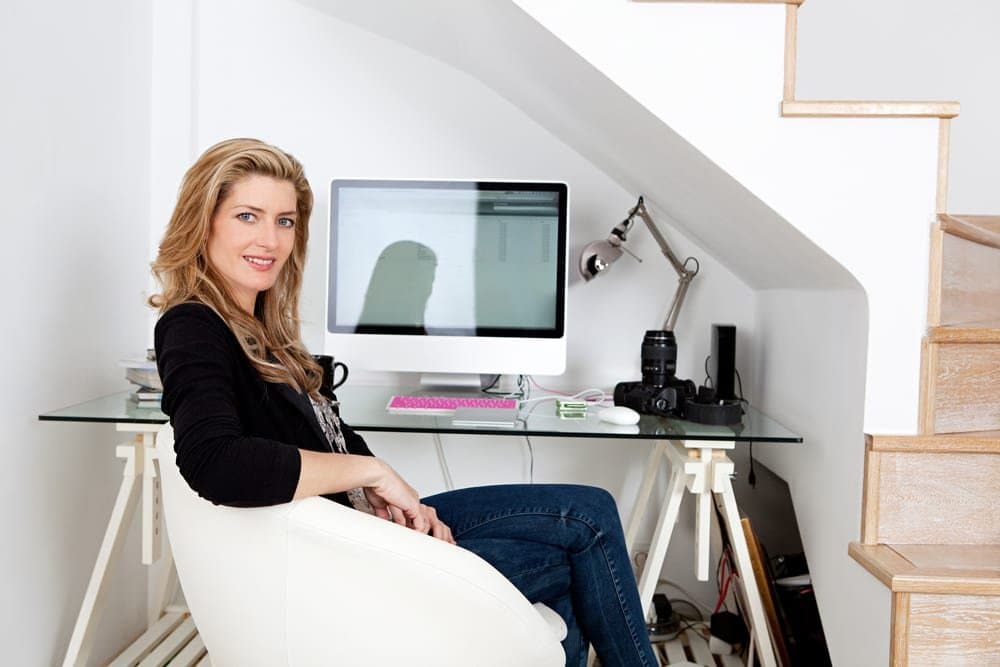
3. Set up a safe and productive home office
Your employer has a legal duty of care under Health and Safety Executive regulations to assess the risks of home working. This includes checking your workstation setup, electrical equipment, and stress levels. If you are self-employed, the responsibility falls on you. A proper desk, supportive chair, and screen at eye level will reduce back pain and eye strain.
For practical setup advice, see our guide to Home Office Ergonomics UK: Boost Productivity in 2026. Even a small dedicated corner is better than working from a kitchen table or sofa, because it creates a mental boundary between work and home.
4. Claim the right home working expenses
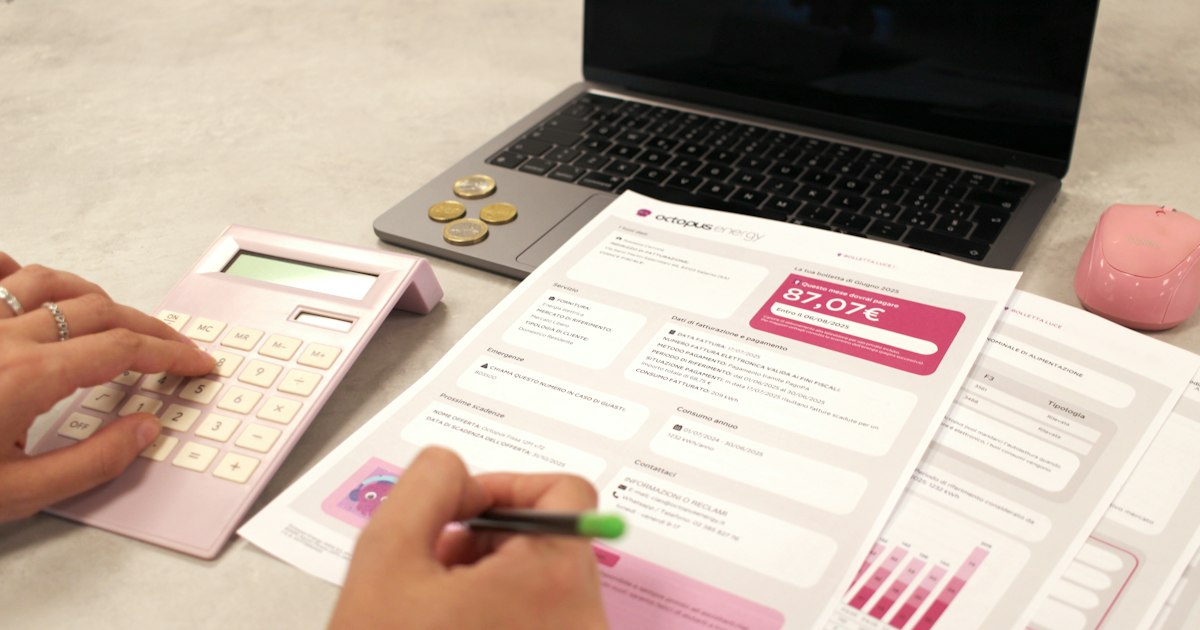
Tax treatment depends on whether you are employed or self-employed. HMRC rules for 2025-26 state that employees can claim tax relief on £6 per week for additional household costs, such as heating and electricity, if they are required to work from home. You cannot claim this relief if you choose to work from home when your employer provides a workplace.
If you are self-employed, you can use simplified expenses at a flat rate based on hours worked from home, or claim a proportion of actual costs such as council tax, mortgage interest, and utilities. For a full breakdown, read Home Working Expenses Self Employed Can Claim Through HMRC.
5. Use digital tools that suit UK teams
Remote working relies on reliable technology. Most UK businesses now use Microsoft Teams, Slack, Zoom or Google Workspace for messaging, video calls and file sharing. Choose tools that integrate with your accounting and customer relationship systems to avoid duplicated admin.
If you are self-employed or running a small limited company, you should also prepare for Making Tax Digital. From April 2026, self-employed individuals and landlords with qualifying income above £50,000 must keep digital records and submit quarterly updates to HMRC using compatible software. Check the latest deadlines on gov.uk and review your accounting software before the rules apply to you.
6. Protect your mental health and connection
Isolation is one of the biggest downsides of home working. Schedule regular video check-ins with colleagues, clients or fellow founders. The HSE management standards for stress include demands, control, support, relationships, role and change. Use these as a checklist to review whether your home working arrangement is sustainable.
Take proper breaks. UK working time rules entitle most workers to a 20-minute rest break if they work more than six hours. Step outside, eat away from your desk, and set boundaries with household members during core hours. Building a small network of other women founders who also work from home can reduce isolation and create accountability.
Five action steps to take this week
- Check your employment status and flexible working rights under the 2024 Employment Relations (Flexible Working) Act.
- Claim any home working tax relief you are entitled to through HMRC.
- Set up a dedicated workspace and review it against HSE home working guidance.
- Choose communication and accounting tools that keep you compliant with Making Tax Digital.
- Build a clear start and finish routine to protect your work-life balance.
Remote and hybrid working are here to stay. When you manage your work when working from home with clear boundaries, the right expenses claims, and compliant systems, you protect both your productivity and your wellbeing.