Self-employment gives you the freedom to choose your clients, set your rates and shape your working day around caring responsibilities, health needs or personal ambitions. For many women in the UK, it is also a practical route around inflexible employers and the gender pay gap. Yet that freedom can become a burden. Without a manager, a team or a fixed timetable, even the most driven freelancer can find it hard to stay motivated when self-employed.
According to ONS Labour Market Statistics from 2024, around 4.8 million people in the UK were self-employed, with women making up roughly 1.6 million of that total. That means nearly one in three self-employed workers in the UK was a woman. Staying productive is not just a personal issue; it is an economic one. Time really is money when you invoice by the project or the hour. The good news is that motivation is a skill you can build. Here are practical ways to protect your focus, energy and income when you work for yourself.
Understand why motivation matters
When you are self-employed, there is no one else to pick up the slack. Missed deadlines, delayed invoices and unfinished marketing all hit your bottom line. IPSE, the Association of Independent Professionals and the Self-Employed, regularly reports that self-employed people value flexibility above all else, but also face loneliness and blurred boundaries between work and home. Left unchecked, these pressures can lead to burnout, especially if you are juggling business with unpaid care work.
Recognising the warning signs early gives you a chance to reset before your business suffers. Watch for procrastination, irritability, working late into the evening, or dreading tasks you once enjoyed.
Create a dedicated workspace
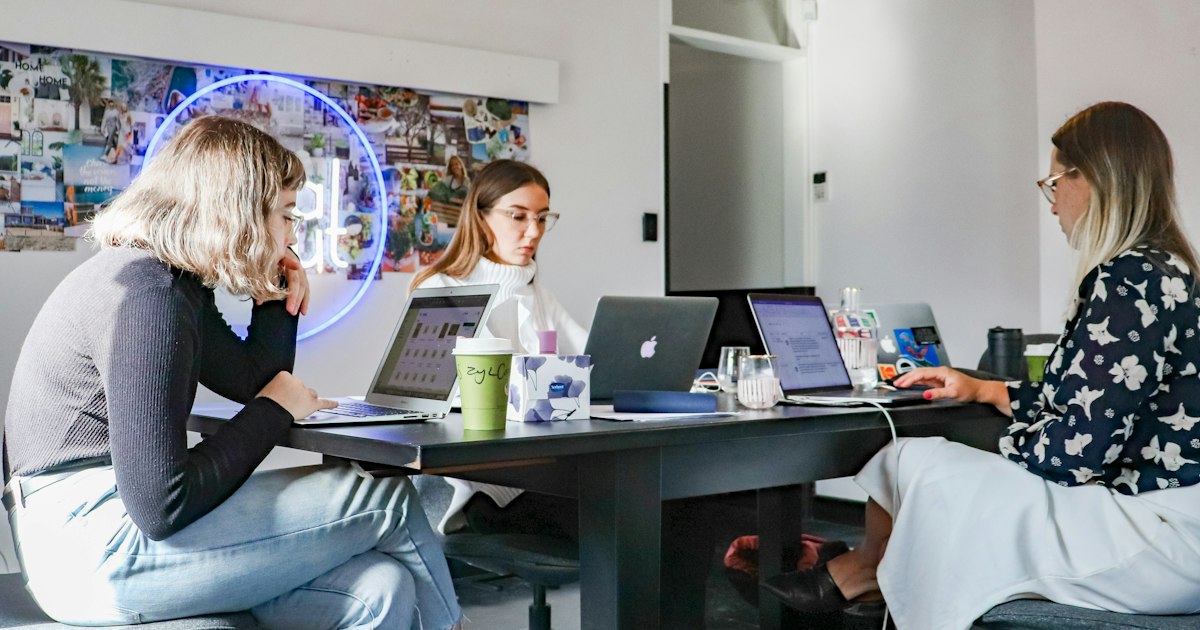
Nobody does their best work from the sofa or bed for long. If you can, rent a desk in a co-working space or use a local library or café with reliable Wi-Fi. If you work from home, carve out a space that is used for work and work only. Even a corner of a studio flat can work if you pack it away at the end of the day.
Position your desk near natural light, keep it away from household distractions such as the washing basket or television, and treat it as your professional base. A clear boundary between work space and home space helps your brain switch into work mode and switch off again. If you are claiming home working expenses through HMRC, a defined workspace also makes it easier to record the proportion of your home used for business. See our guide to home working expenses for the self-employed.
Equip your workspace with:
- natural light and, if possible, a view outside
- indoor plants or fresh air to reduce fatigue
- enough power sockets for your equipment
- reliable broadband or a wired Ethernet connection
- a comfortable chair and desk at the right height
- a separate area or chair for breaks
Set working hours and defend them
One of the biggest traps for the self-employed is the creeping working day. Without set hours, tasks expand to fill the time available and you can find yourself answering emails at 10 p.m. Decide your core hours, whether that is 9 a.m. to 3 p.m. around school runs, or a more traditional 9 to 5, and communicate them to clients, family and friends.
Be realistic. If you are a parent or carer, rigid nine-to-five hours may be impossible. Instead, block out focused work periods in a calendar and treat them like client appointments. When your working day ends, close the laptop, leave the room and resist the urge to check notifications.
This matters more than ever in 2026. The Employment Rights Bill and expanded flexible working rights have changed expectations around work-life balance, but self-employed women do not have an HR department to enforce those boundaries for them. You are your own HR.
Break work into achievements and rewards
Large projects can feel overwhelming, which makes procrastination more likely. Break your workload into small, specific tasks and set a reward for completing each batch. This could be a cup of tea, a ten-minute walk, a podcast episode or a chapter of an audiobook.
Many freelancers find techniques such as the Pomodoro method helpful: 25 minutes of focused work followed by a five-minute break, with a longer break after four rounds. Short, regular rests keep your concentration high and prevent the afternoon slump.
Remove digital distractions
Social media, news sites and online shopping are designed to capture your attention. When you work alone, there is no colleague to notice you scrolling. Keep your phone in another room or in a drawer during focused work sessions, and turn off non-essential notifications on your laptop.
If willpower alone is not enough, use website-blocking apps or browser extensions to restrict access to distracting sites during working hours. Tools such as Freedom, Cold Turkey or Focus can help, and many offer free versions. The key is to make distraction harder than doing the work.
Build accountability and community
Working for yourself can be isolating, and isolation drains motivation. Build accountability by telling a peer, mentor or business buddy what you plan to achieve each week. Regular check-ins, even brief ones, create a sense of commitment.
Joining a women’s business network, an industry group or a local co-working community can also provide encouragement, advice and opportunities to collaborate. If you cannot meet in person, online communities and virtual co-working sessions offer similar support. Our guide to women in business networks in the UK lists communities worth exploring.
Look after your wellbeing
Motivation is not just about discipline; it depends on sleep, movement, nutrition and mental health. Schedule time outside, exercise and proper meals just as you would client work. If you notice persistent low mood or anxiety, speak to your GP or a mental health professional. Organisations such as Samaritans and NHS Talking Therapies are there if you need them.
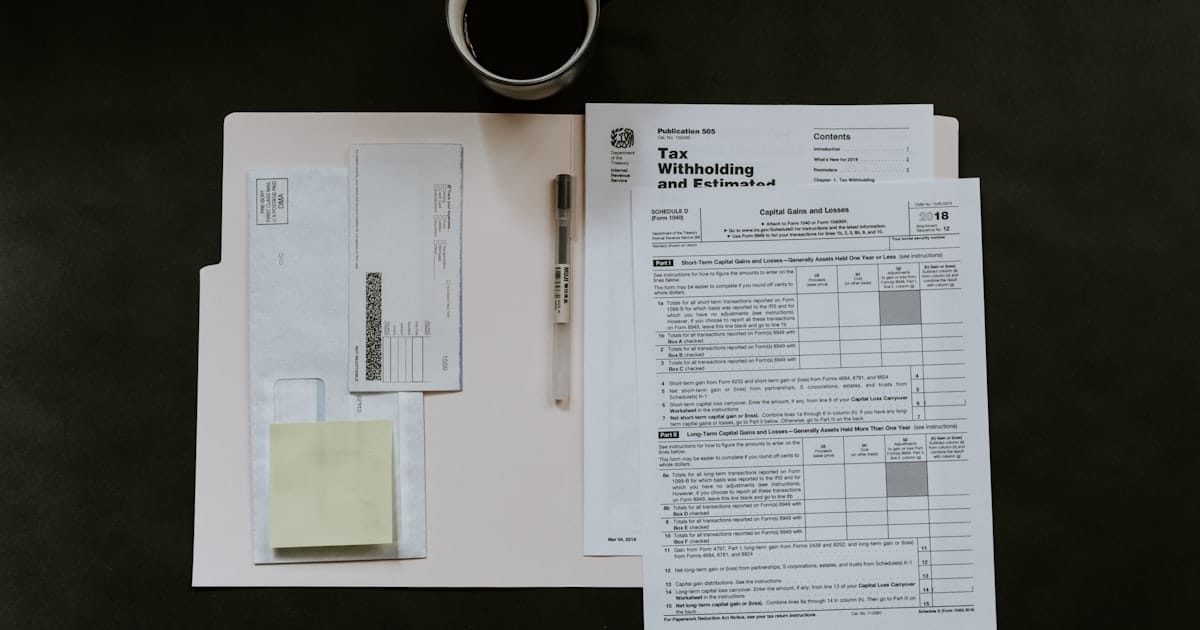
Finally, keep the administrative side of your business under control. Uncertainty about tax, cash flow or HMRC deadlines can be a major source of stress. The Self Assessment deadline for the 2025/26 tax year is 31 January 2027, and Making Tax Digital for Income Tax Self Assessment is expanding to more self-employed people from April 2026. Set aside time each week for finances, use accounting software and consider working with a bookkeeper or accountant if numbers are not your strength. Our sole trader Self Assessment guide walks you through the first return.
Stay motivated when self-employed with weekly actions
- Define your workspace and remove one household distraction from it.
- Block your core working hours in your calendar and share them with one client or family member.
- Choose one task you have been avoiding and break it into 25-minute chunks.
- Turn off non-essential notifications for one full working day.
- Book one check-in with a peer, mentor or business network this month.
- Diary 30 minutes this week to review your tax and cash-flow position.
Keep building your motivation
Staying motivated when you are self-employed is rarely about willpower alone. It is about designing a working day that supports your focus, protects your boundaries and connects you with people who understand the journey. With the right structure, tools and support, you can turn the freedom of self-employment into a sustainable, rewarding career. For more context on the economic contribution of women like you, see Women in Business: Key UK Facts.