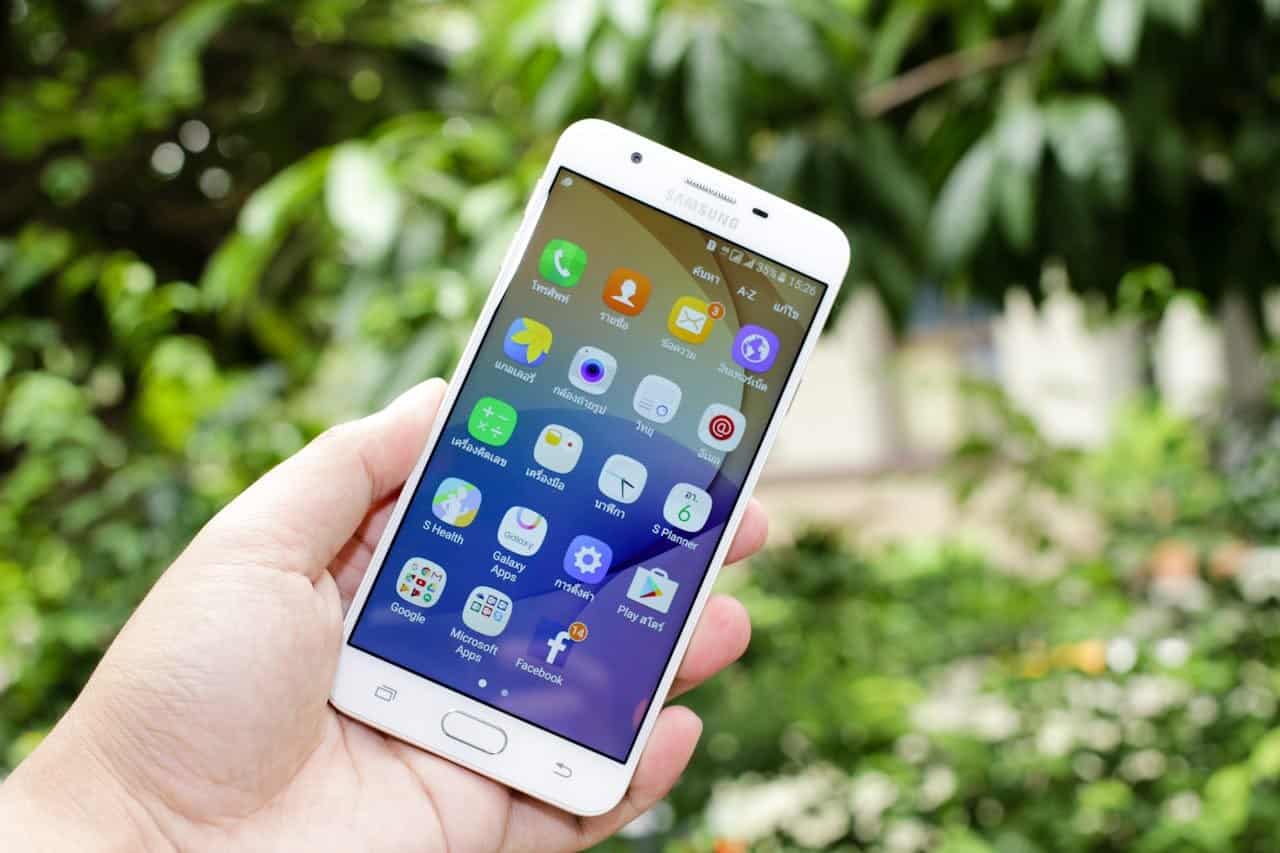
Almost 80% of the world’s population own a smartphone. That is up from almost 50% just 5 years ago. It’s an astonishing statistic. What it means is that almost everyone has a powerful mini-computer in their pocket.
And increasingly you can almost entirely run and grow your business from one of these mini marvels. In fact in developing countries, farmers and traders now use them to sell produce, watch the weather and identify ways to improve their crops.
Mobiles are a powerful way of connecting with your customers. Almost everyone has one in their hands many times every day. There has never been a better way of getting and staying close to your customers.
So if you’re not already making the most of mobile to run and grow your business, here are a few tips to help you raise your game.
Mobile Marketing
Email marketing has had a resurgence of late and businesses should be aware that the vast majority of your customers will view your email newsletter or promotions on their phone. Think mobile first always.
But no matter how powerful mobile-based email marketing is, it is blown away in terms of read and open rates, by SMS text marketing. For both types of marketing you need to get customer consent before adding them to your mailing list. You also need to make sure that your mailing lists are clean, accurate, and up-to-date. Email marketing software will keep your list fresh. And indeed it is even more important for SMS marketing as the costs of sending texts to the wrong numbers are higher. You can keep your SMS list clean by using a phone validator tool, click here for information on how that works. Both email and SMS mailing list software should provide geographic and other customer intelligence to help you better understand and target your customers.
And of course, social media marketing is also important in this day and age. However, your social media plan needs to be strategic and needs to build in regular cost-benefit analyses. For some businesses, it can be more trouble than it is worth, while others tap directly into customer loyalty and sales. Focus on the platforms that are most popular with your ideal customer type. Stay authentic and interactive. Keep adjusting until you find a way of making social media marketing work for your business. And use the analytic tools built into all the main platforms to keep on track.
QR Codes
QR codes are used for loading information into your cell phone when scanned by the camera in your phone. QR codes are short for quick response codes that are often used to send messages or links to a mobile website. Apart from that, these codes can also be used as coupons, posters, business cards, and other physical products where you want the customer to visit your website. It’s very easy to create one of these codes with websites like this. You simply need to enter the text message or URL you want to associate with this code and it will generate the QR code image automatically for free. Of course, there is also software available on the market which you can use for making these QR Codes if you prefer doing it yourself rather than using online generators.
Business Opportunities with Mobile Apps
Could a mobile app add value to your business? An app can bring together booking information, offers, information, user accounts and much more. It can include things like discount vouchers and a loyalty programme. No one uses bits of paper for customer connections anymore, if you have done so in the past, then you need to think about how you can do the same with an app today. It makes life a lot easier for customers, cuts your costs over time and makes it so much more easy to build loyalty and repeat custom.
Location-Based Services
Location-based services use geodata to provide real-time services and intelligence. There are a number of ways businesses can use smartphone-related location-based services to enhance revenues.
For example, you can cut costs and increase efficiencies by using RFID technologies to manage stock and track deliveries.
You can track staff locations using GPS technology on their smartphones. This is at the core of the Uber business model and is a system used by care providers to keep track of their workforce.
And you can use proximity-based advertising to push adverts based on the location of your customers. Methods using NFT (Near Field Technology) enable you to push adverts from specific locations when customers are in that vicinity, for example, you could buy slots around your local cinema or at a bus stop. This makes advertising much more relevant to customers significantly increasing their level of engagement.
As you can see there are many ways that businesses of all types can increase their revenue by using mobile marketing strategies. QR codes, business apps, location-based services, and mobile marketing are just a few ways that you can gain new customers when the economy is struggling to get moving again. By knowing the possibilities and creating a plan that works for your type of business, you can increase your profits and grow your customer base.