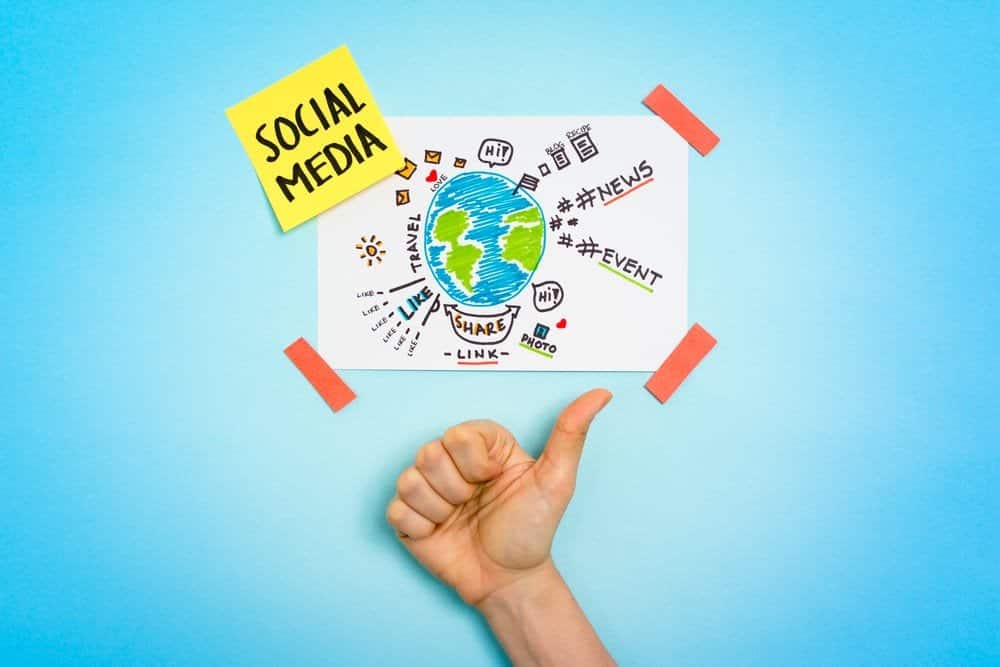
Social media remains one of the most cost-effective ways to build awareness, drive registrations and create excitement around an event. According to Ofcom’s Online Nation 2025 report, more than nine in ten UK adults now use social media, and the average UK adult spends nearly four hours online each day. Your audience is already there. The challenge is being genuinely social rather than simply broadcasting.
That means sharing useful, engaging content, replying to comments and questions, and building relationships rather than treating every post as a sales pitch. For women running UK businesses, events are a powerful way to demonstrate expertise, build trust and generate leads. Women in Business: Key UK Facts shows why women-led firms are a growing force, and social media event promotion is one of the fastest ways to reach them. This guide shows how to fill the room without wasting budget.
Plan your social media event promotion
Short, punchy posts may look effortless, but they take planning. A clear plan keeps you systematic, focused and results-oriented. For women founders who are often managing events alongside client work and operations, a plan also protects your time. It should include:
- A pen portrait of your ideal attendee — their interests, challenges, location and the platforms they use.
- SMART objectives, such as ticket sales, email sign-ups or brand awareness, so you can measure success.
- A content calendar showing what to post, where and when, mapped to key milestones like early-bird deadlines and speaker announcements.
- A clear call to action for every post, whether that is “Book now”, “Save the date” or “Tag a colleague”.
Map your plan to the event lifecycle. Most successful campaigns start eight to twelve weeks before the event and continue for two to four weeks afterward.
Choose the right channels
You do not need to be on every platform. Choose the ones your audience already uses. For UK businesses in 2026, the core channels are:
Meta: Facebook and Instagram
As of early 2025, Meta’s advertising tools showed a combined UK adult reach of around 50 million people across Facebook and Instagram, making them the most widely used platforms for consumer and community-focused events. Facebook works well for event pages and group discussions; Instagram is stronger for visual storytelling through Reels and Stories. If your event relies on strong visuals, see our Instagram Marketing Strategy for UK Small Businesses (2026).
LinkedIn reported around 36 million members in the UK as of early 2025. It is essential for B2B, professional and networking events. Articles, newsletters and targeted updates work well here, and LinkedIn Events lets you send direct invitations to your network.
TikTok
TikTok had around 23 million UK users as of 2024, according to company data, and is particularly effective for reaching adults under 35. Short, authentic video can build awareness quickly, though it works best as a top-of-funnel channel rather than a direct sales tool.
X and emerging platforms
X remains useful for real-time updates and industry conversations, though organic reach has declined. Bluesky and Threads are growing alternatives worth testing if your audience is migrating there. Ask your existing customers where they spend time, or run a short poll in your email newsletter.
Make visuals work harder
People scroll fast. A strong image or video stops the thumb far more effectively than a block of text. Every visual should be clearly branded with your event logo, date and hashtag, and should include alt text so it is accessible to screen-reader users. Under the Equality Act 2010, UK service providers must make reasonable adjustments for disabled users, and accessible social content is part of that.
Short-form video is now the dominant content format across Instagram, TikTok and Facebook. You do not need expensive equipment: bite-sized interviews with speakers, behind-the-scenes clips, attendee testimonials or a quick “meet the panel” reel can all build anticipation. For more on creating scroll-stopping visuals, read How to Catch Customers’ Eyes with Social Media Visuals. Aim for the first few seconds to hook the viewer, and always include a clear next step in the caption.
Use event hashtags strategically
Hashtags help your event join wider conversations. Research industry and location-based tags used by your audience — for example, #UKBusinessHour or regional tags like #SuffolkHour. Join those conversations consistently, but do not spam them.
You also need a single, memorable event hashtag that works across every channel. Keep it short, easy to spell and unique. Check it is not already in use, then add it to all marketing materials, slides, name badges and email signatures.
Budget for paid social
Organic reach on Facebook and Instagram has fallen sharply over the last decade, so even a small paid budget can make a big difference. This matters for women-led businesses, which often run lean marketing budgets and need every pound to work hard. Meta Ads Manager and LinkedIn Campaign Manager let you target by location, age, gender, job title, interests and behaviour, meaning you can reach the right people without wasting budget.
Set up a Facebook or LinkedIn event page, use a “Get tickets” or “Register” call-to-action button, and install a Meta Pixel or conversion tracking on your booking page so you can measure results and retarget people who clicked but did not buy. If you use tracking pixels, make sure your cookie banner and privacy notice comply with UK GDPR and the ICO’s guidance on cookies and similar technologies.
Build buzz before, during and after
Event promotion is not a one-off announcement. Build momentum with a countdown, speaker reveals, behind-the-scenes preparation, thanks to sponsors and venue partners, and reminders as ticket numbers grow. User-generated content, such as attendees sharing why they are coming, can be particularly powerful.
During the event, post live updates, photos and quotes. Afterward, share highlights, thank attendees and speakers, and publish a follow-up blog or video. This keeps the conversation going and creates assets for your next event.
Turn your community into promoters
Your speakers, sponsors, partners and early attendees can amplify your message far beyond your own following. Provide them with ready-made social assets: suggested copy, correctly sized images, speaker cards and the event hashtag. Tag them in posts so they can reshare easily.
Consider creating a simple ambassador or affiliate scheme: offer a discount code or perk in return for promotion. A personal recommendation from a trusted voice is often more persuasive than brand advertising. Make sure any paid promotion follows the ASA CAP Code on identifying advertising, including #ad or #gifted where required.
Manage your time and measure results
Social media can swallow time if you let it. For women running small businesses, guarding your time is essential. Use scheduling tools such as Meta Business Suite, Buffer or Hootsuite to batch-create content, and set a fixed amount of time each day for engagement and replies.
Track what works using platform analytics and UTM parameters on booking links. If a channel is not delivering against your objectives, learn from the data and reallocate your effort. For a broader approach to building your digital presence, see Grow Your Business Presence Online: 7 Steps for UK Women in Business.
Action steps to promote your event
- Write a one-page event plan with SMART objectives and a content calendar.
- Choose two or three channels based on where your ideal attendees already spend time.
- Create a short, unique event hashtag and add it to every asset.
- Book speaker interviews and behind-the-scenes filming at least six weeks before the event.
- Set up conversion tracking and a small paid social test budget two weeks before tickets go on sale.
When you get the balance right, social media event promotion can transform your event marketing and add a genuinely new dimension to your business. Start small, measure consistently, and let your audience do much of the talking.