Product packaging is often the first physical touchpoint between your business and a customer. For UK women running product-based businesses, getting packaging right can mean the difference between a one-off sale and a loyal buyer. Whether you sell handmade skincare, food products, crafts, or children’s goods, your packaging does more than protect what is inside. It communicates your brand, influences buying decisions, and can affect your tax and regulatory obligations.
ONS retail sales data from 2025 shows internet sales consistently accounted for around one quarter of total UK retail sales. That means your packaging needs to work both on a physical shelf and in a photograph. This guide explains how product packaging can boost sales while keeping your business compliant with current UK rules. For context on the wider women in business landscape, see our Women in Business: Key UK Facts page.
Product Packaging Can Boost Sales in Crowded Markets
On a crowded shop shelf or a busy marketplace page, customers make snap decisions. Visual cues, colour, and perceived quality shape whether someone picks up your product or scrolls past it. For small businesses with limited marketing budgets, packaging is one of the most cost-effective ways to stand out.
Your packaging should answer three questions quickly: what is this, who is it for, and why should I trust it? If a potential customer cannot answer those questions within a few seconds, you have lost the sale. Clear labelling, consistent branding, and appropriate materials all help convert interest into purchase.
Design That Catches the Eye
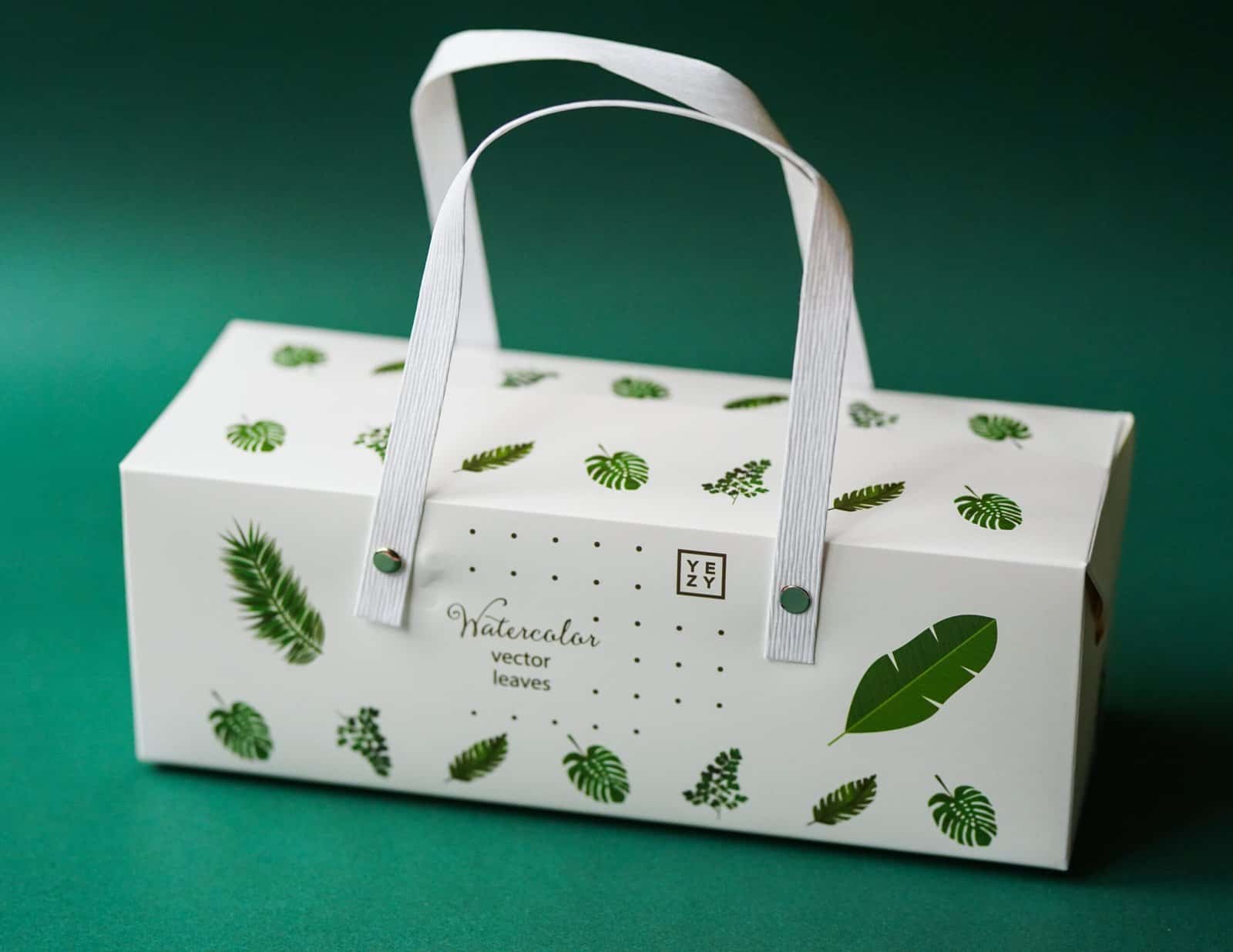
Effective packaging design starts with your customer, not your product. Think about who buys from you and what matters to them. Are they time-poor parents looking for convenience? Eco-conscious shoppers? Gift buyers seeking a premium unboxing experience?
Colour psychology plays a real role. Blues and greens tend to convey trust and sustainability; warmer tones can suggest comfort or indulgence. Typography, texture, and finish all contribute to how your product feels in the hand. However, the design must also be honest. Misleading packaging, such as making a small product look larger than it is, can damage trust and lead to negative reviews.
Build Trust Through Labelling
Include the essentials on every pack: your business name, product name, ingredients or materials, weight or volume, use-by dates where required, and contact details. If you sell food, cosmetics, or children’s products, you must also meet sector-specific labelling rules enforced by Trading Standards.
For women-led businesses in competitive sectors such as beauty, food, and children’s products, packaging also signals professionalism. Investors, stockists, and customers often use packaging quality as a proxy for product quality. You can read more about building a strong brand in our guide to building a brand in competitive digital markets.
Use Sustainability as a Selling Point
Sustainability is no longer a niche concern. Many UK shoppers actively look for products with less plastic, recyclable materials, or refill options. For small businesses, switching to more sustainable packaging can open new sales channels, including eco-focused retailers and corporate buyers with environmental procurement criteria.
There are also financial and legal reasons to review your packaging now. The UK Plastic Packaging Tax applies to plastic packaging manufactured in or imported into the UK that does not contain at least 30% recycled plastic. From April 2025, the rate is £223.69 per tonne, according to HMRC. If your business imports or manufactures plastic packaging, you need to check whether you are liable to register and pay.
Separately, the Extended Producer Responsibility (EPR) for packaging regime places more responsibility on businesses for the packaging they place on the market. According to gov.uk guidance, you must report packaging data if your business handles 25 tonnes or more of packaging in a calendar year and has an annual turnover of £1 million or more. Smaller businesses are generally exempt from the full obligations, but larger businesses must report packaging data and may face new costs. You can check the latest thresholds and reporting dates on gov.uk.
Switching to recycled, recyclable, or compostable materials can help you stay ahead of regulation and appeal to customers. Just be careful with green claims. The Competition and Markets Authority has warned businesses against vague or misleading environmental claims, and the Digital Markets, Competition and Consumers Act 2024 gives regulators stronger powers to act.
Make Packaging Work for E-commerce
If you sell online, your packaging must perform twice: once in the product photograph and once when it arrives through the customer’s door. Poor product photography is one of the fastest ways to lose online sales. Invest in good lighting, clean backgrounds, and images that show the packaging from multiple angles.
When the product arrives, the unboxing experience matters. A damaged box, excess filler, or missing invoice can turn a positive first impression into a refund request. For women-led product businesses selling from home or a small studio, every parcel is a chance to create a professional impression that competes with bigger brands. Use packaging that protects the product in transit without being wasteful. For fragile items, consider double-walled boxes, bubble wrap alternatives, or custom inserts.
Include a clear returns slip and your contact details. If you want to drive repeat sales, add a small card with a discount code for the next purchase or a request for a review. These small touches can turn a single order into a repeat customer.
Protect Your Product and Stay Compliant
Good packaging protects your product from damage, contamination, and spoilage. This is especially important if you sell food, cosmetics, candles, or anything fragile. Damaged goods lead to refunds, bad reviews, and lost future sales.
Think through the full journey your product takes: from your workspace, into a delivery van, through a letterbox, and onto a customer’s kitchen table. Test your packaging under realistic conditions. If you ship regularly, negotiate rates with courier services and choose packaging dimensions that keep postage costs down.
Product safety is also a legal requirement. If you sell toys, children’s products, or cosmetics, your packaging and products may need to meet UKCA marking requirements and safety testing standards. Trading Standards can provide guidance, and the British Standards Institution publishes relevant standards for many product categories.
Turn Packaging Into a Marketing Channel
Every parcel you send is a marketing opportunity. Include your website address, social media handles, and a QR code that links to a specific landing page or offer. QR codes are a simple, low-cost way to bridge physical packaging and digital marketing.
You can also use packaging to tell your story. A short note about why you started your business, how your product is made, or what values you stand by can create an emotional connection with customers. For women founders, this personal story can be a genuine differentiator in a market dominated by faceless brands.
If sustainability is central to your brand, consider mentioning your environmental commitments or certification goals. Our guide to B Corp certification for small businesses explains whether formal certification might be worth exploring.
Practical Steps to Improve Your Packaging
- Audit your current packaging against the three questions: what is it, who is it for, and why trust it?
- Check whether your business needs to register for Plastic Packaging Tax or EPR for packaging on gov.uk.
- Review your product photography and make sure your packaging looks as good online as it does in person.
- Test your packaging for transit damage and adjust materials if needed.
- Add one marketing element to your packaging, such as a QR code, discount code, or story card.
Product packaging can boost sales when it is treated as part of your overall business strategy, not just a box to put things in. For UK women in business, smart packaging design, compliance with current regulations, and a clear sustainability story can help you compete with larger brands and build a customer base that keeps coming back.