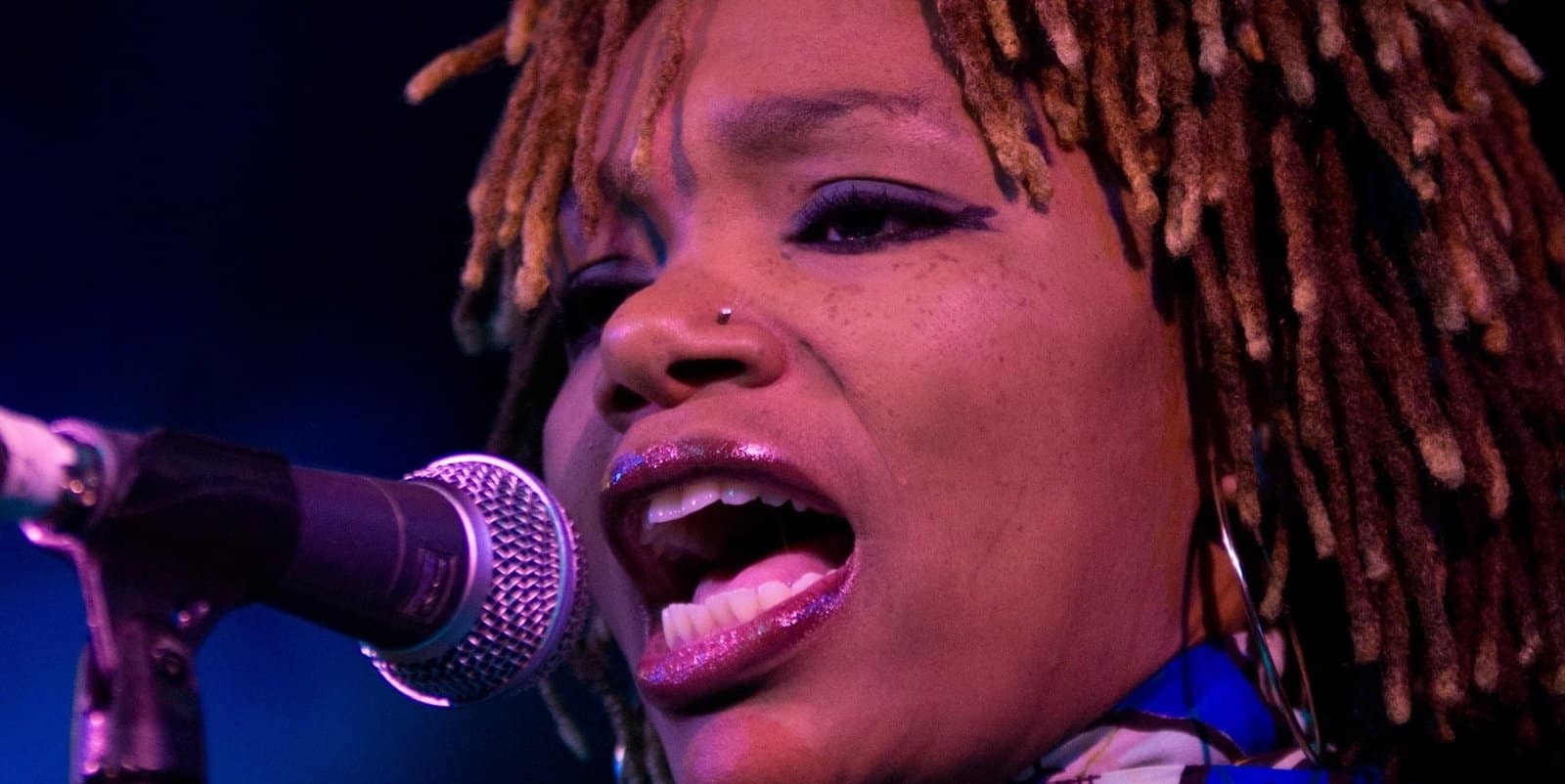
Anna Mudeka came from Zimbabwe to Norfolk in 1994. From a musical family, she had already performed alongside leading Zimbabwean artists. In 2013 she was named Most Influential Woman in Business and Government in Africa in the Arts and Culture category at the CEO Global awards. More than a decade on, her work as a musician, educator and social entrepreneur continues to bridge African heritage and UK audiences. She spoke to Prowess about building a creative business rooted in music, culture and compassion. Her story offers practical lessons for women in creative business.
What led you to set up your business?
When I arrived in Norfolk as a young musician, I quickly saw a demand for African-themed workshops in local schools. I set up Tambai Promotions and began running workshops that introduced children to Zimbabwean music, instruments and storytelling. The response was enthusiastic, and the business soon branched into festivals, performances and community projects.
My aim was never simply to perform; it was to share culture, build understanding and create sustainable work doing something I love. The UK’s creative industries are a major economic force, generating £132.2 billion in gross value added in 2023, according to DCMS economic estimates published in 2024. For women in creative business, turning cultural knowledge into a viable enterprise can be both a powerful career path and a way to give back.
Where are you now?
My business has evolved into a blend of music, education and social impact. I continue to perform with the Anna Mudeka Band at venues and festivals across the UK, and I organise the Southburgh World Music Festival, an annual event that brings world-class musicians to a small Norfolk village. The festival is a celebration of cultural exchange, family and creativity.
Alongside performance, the Mudeka Foundation remains central to my work. It supports vulnerable children and communities in Zimbabwe, particularly those affected by HIV and AIDS, through education, health and practical assistance. Running my own business gives me the flexibility to balance this charitable work with family life.
I live with my partner and our daughters in rural Norfolk, and I still grow African vegetables in polytunnels. I have also explored other creative ventures, including customising shoes and accessories with African fabrics. Each project feeds into the same mission: celebrating African culture and creating connections.
What were the main barriers you faced?
In Zimbabwe, it was very difficult for women to succeed as independent musicians. Drumming and mbira playing were often frowned upon for women, and there were strong expectations about how a woman should behave. Moving to the UK gave me the freedom to develop my skills and share African culture in a much more fulfilling way.
I tried living in London for a while but found Norfolk people welcoming and open. As a Black businesswoman working in a predominantly white, rural part of the UK, I have encountered curiosity more than hostility, and most people have been supportive. The challenge was having the courage to step beyond traditional expectations of my gender and roots. Once I did that, everything else became possible.
Women remain underrepresented in some areas of the music industry, particularly in technical and senior roles, although UK Music’s 2024 diversity survey found that women now make up 52.9% of the industry workforce. Progress is being made, but confidence and visibility still matter.
What help have you had along the way?
Early on, WEETU (Women’s Employment, Enterprise & Development Unit) was a significant support. I joined the Enterprising Women’s Network, which opened doors to useful contacts, and I learned business skills and accessed funding through a loan scheme called Full Circle. I am still friends with members of that lending circle, and that support definitely contributed to my success. WEETU closed in 2013, a victim of funding cuts, but the networks it helped create have lasted.
Today, women starting out can draw on a much wider range of support. Arts Council England offers project grants and National Portfolio funding for creative organisations, while the British Business Bank’s Start Up Loans programme provides personal loans for new businesses alongside free mentoring. Sector-specific support is also available through bodies such as the PRS Foundation and Creative UK, and local Growth Hubs can signpost regional funding and training. Mentors have been invaluable to me, as has the practical support of my partner and family. Childcare has never been a barrier because we share responsibility at home.
What are your business values?
I value myself, my skills, my experience and my effort, and I expect clients to pay a fair fee for an excellent service. I love doing a good job, and I find fulfilment in giving back through the Mudeka Foundation.
I am grateful to Africa for the wealth of cultural influences that continually inspire new creative ventures. I love challenge and facing my fears head on. I learn through everything that happens and try to live life to the full. My maxim is: know by doing rather than just thinking about it; learn from mistakes; and flourish by making the seemingly impossible, possible.
What advice would you give a new musician?
- Feel the fear and do it anyway.
- Embrace every opportunity that comes your way.
- Go with your passion.
- Ask for help – you don’t know until you ask.
- Find a mentor or coach to help you clarify your thoughts by talking ideas through.
What are your future plans?
There is always more to do. I want to keep growing the Mudeka Foundation so it can reach more children and communities in Zimbabwe. I plan to continue recording and touring with the Anna Mudeka Band, and to develop new cultural education projects that connect young people of African descent with their heritage while building understanding among wider audiences.
Longer term, I would love to establish a dedicated centre for African music and dance in East Anglia, a place where people from all backgrounds can learn, create and celebrate together. Whether through a festival stage, a school workshop or a recording studio, my goal is the same: to use music and culture to inspire, educate and unite.
Why does Anna’s story matter for women in creative business?
Anna’s journey shows that a creative business can be built on identity, purpose and community, not only on scale or profit. The Alison Rose Review of Female Entrepreneurship estimated in 2023 that advancing women’s enterprise could add up to £250 billion to the UK economy. Yet women founders still receive a small share of equity investment, and many creative businesses remain undercapitalised.
For women in creative business, the lesson is to treat your craft as a business from day one: price your work fairly, keep records, seek funding and build a network. Anna’s example also demonstrates that work-life balance and social impact can be written into the business model rather than added later.
What are your next steps?
- Map your creative skills to a clear service or product, and test demand with a small pilot before scaling.
- Check your eligibility for Arts Council England grants, British Business Bank Start Up Loans, or your local Growth Hub.
- Join a sector network such as Creative UK or a women founders’ group to find mentors and collaborators.
- Price your work to reflect your experience, and review your rates at least once a year.
- Build a support system at home and in business so that childcare, caring responsibilities and creative work can coexist.
To find out more about Anna’s music, workshops and the Mudeka Foundation, search for Anna Mudeka online or visit her official channels.