You are never too old to start a business. I was 50 before I took the entrepreneurial plunge. I had dabbled on and off when my children were small, but that was about earning extra money rather than building a real venture. I even have a friend who launched her salon and spa at 63; she, and the business, are still going strong and she is now 70.
Women in business are not a single demographic. According to ONS Labour Force Survey data from 2025, self-employment among women aged 50 and over has continued to rise, and the Alison Rose Review of Female Entrepreneurship identifies women over 50 as one of the largest and fastest-growing groups of business owners in the UK. If you are wondering whether starting a business at 50 is realistic, the evidence says it is.
Five advantages of starting a business when you are older
- Experience. You bring years of sector knowledge, client insight and practical judgement. That expertise is your product.
- Money. You may have more disposable income or access to savings than you did in your twenties, which reduces reliance on external funding.
- Network. If you stay in the same field, you already know former colleagues, suppliers and clients who can become your first customers or referrers.
- Professional reputation. Years of reliable work mean people already trust you. Trust shortens sales cycles.
- Fewer demands. Children are often grown, childcare costs are lower, and you may have more control over your schedule than during peak family years.
I started a consulting practice and won my first contract from my former employer. Because I had been in the field for years, building a client roster happened faster than it would have at 25. After two years I changed direction and launched an organisation that supports women entrepreneurs.
Five challenges no one warns you about
- It can be isolating. There is no water-cooler chat, no one to brainstorm with over coffee, and no IT department down the corridor.
- You are it. If you have spent years with assistants, administrators and photocopiers, be ready to do your own invoicing, filing and troubleshooting.
- Technology moves fast. New software, cloud accounting, CRM systems and AI tools are now your responsibility. Help is available through free resources such as Making Tax Digital for sole traders and HMRC webinars, but the learning curve is real.
- Social media. If your friendships were built face-to-face, the language of tagging, reels, LinkedIn newsletters and algorithm changes can feel foreign. You do not need to master every platform, but you do need a deliberate presence where your clients spend time.
- Availability. Friends who are retired, or who are used to you being free, may struggle to understand that you cannot drop everything for a midweek coffee.
UK support that actually helps older women founders
When I started, I did not know where to look. Today the landscape is clearer. If you are returning to work or starting fresh after a career break, these UK programmes are worth exploring:
- Start Up Loans. A government-backed scheme offering personal loans of up to £25,000 for new businesses, with free mentoring for successful applicants.
- Women in Business Networks. Organisations such as the Federation of Small Businesses, local Growth Hubs and women-focused networks run events specifically for founders over 50.
- Business grants. Depending on your sector and location, grants for women in the UK can cover training, equipment or innovation costs without giving up equity.
- Career returner programmes. If you have been out of the workforce, structured returner schemes can rebuild confidence and contacts before you go fully self-employed.
The reality check every new founder needs
No matter your age, your first-year goals will probably take longer and cost more than you expect. Partners may question the income dip. Friends may ask when you are going to retire. A few years ago, when I turned 60, I did consider it, but mainly because other people expected it. I have since realised that 60 is just a number. With the UK State Pension Age now 66 and rising to 67 by 2028, many women are working longer by choice as well as necessity.
The key is to link up with other founders so you do not feel alone. Self-employed women over 50 are a growing cohort, and peer support makes the hard days easier.
Would I go back to employment?
Never. I am probably unemployable now. I have got too used to my freedom and to calling the shots. There are frustrations, late nights and unexpected costs, but I have shaped my own success. That is worth more than a predictable payslip.
Action steps if you are starting a business at 50
- Audit your skills, contacts and savings. Your first clients are probably already in your network.
- Choose a legal structure. Read our guide on sole trader vs limited company to understand the tax implications.
- Check your funding options. Start Up Loans, grants and local Growth Hubs are better places to begin than high-interest credit.
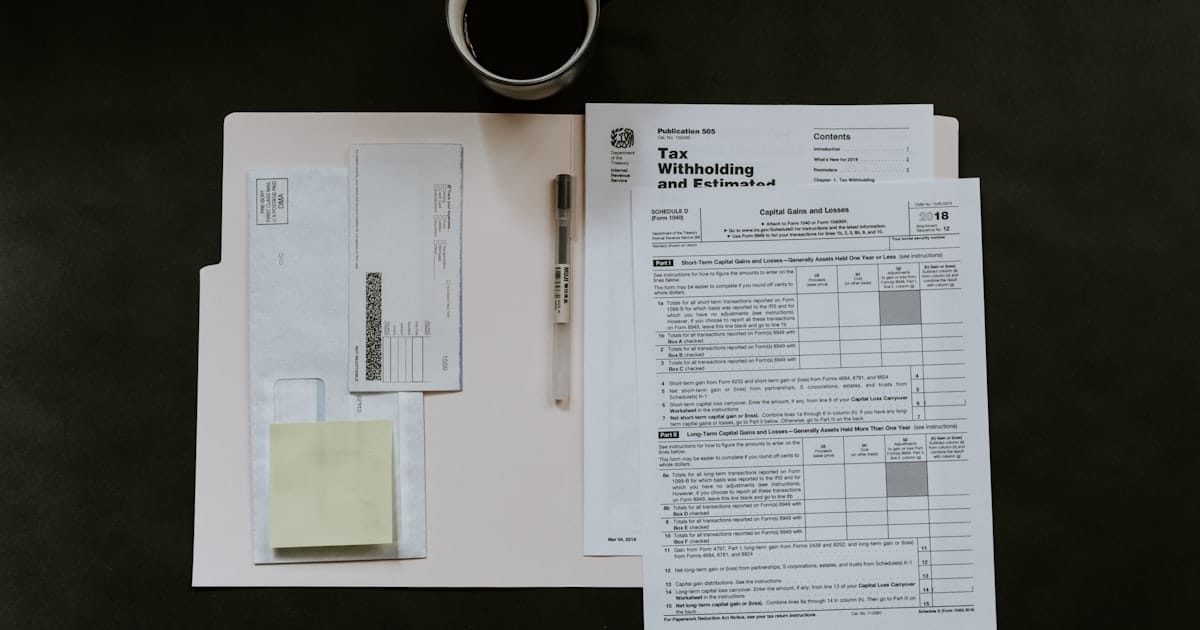
- Get your tax setup right from day one. Register with HMRC, open a separate business bank account and understand what expenses you can claim.
- Join one network before you need it. Isolation is easier to prevent than to fix.
If you are thinking of starting a business at 50, go for it. I have found it to be the most fulfilling work I have ever done. Yes, there are challenges, but the freedom to shape your own success is hard to beat.