Is your business doing everything it can to reduce its environmental impact and manage the risks to your business? A net zero business UK strategy is no longer a nice-to-have. The UK has a legally binding target to reach net zero greenhouse gas emissions by 2050, and every organisation, including women-led small businesses, has a role to play. Below we explain what the target means for you and set out five practical steps to cut emissions, control costs, and stay compliant.
What net zero means for UK businesses
The UK became the first major economy to legislate for net zero by 2050 through the Climate Change Act 2008, amended in 2019. Net zero means balancing the greenhouse gases the UK emits with the amount removed from the atmosphere. The government has set interim targets, including a 68% reduction by 2030 and a 78% reduction by 2035, both measured against 1990 levels. The UK has cut territorial greenhouse gas emissions significantly since 1990, but the pace must accelerate to meet the 2050 target.
For businesses, this translates into lower energy use, cleaner transport, and cleaner industrial processes. The Climate Change Committee, the UK’s independent adviser, has warned that current policies are not yet sufficient to meet these targets, which means further regulation and market pressure on companies are likely.
Why your business matters
Small and medium-sized enterprises make up around 99% of the UK business population, according to BEIS business population estimates from 2024. While large energy companies and heavy industry dominate headline emissions figures, the combined impact of smaller firms is significant.
Beyond the environmental case, there is a commercial one. Energy costs, supply chain scrutiny, and customer expectations are all pushing companies to demonstrate credible climate action and operate as an environmentally conscious company. Larger corporates increasingly ask suppliers for carbon data, and public procurement rules already consider environmental credentials. Women-led businesses can turn this pressure into a competitive advantage by cutting waste, attracting green-conscious customers, and accessing targeted finance. For context on the scale of women-led enterprise in the UK, see our Women in Business: Key UK Facts page.
Five steps to build your net zero business UK plan
These steps work for women-led businesses of any size, whether you run a consultancy, a shop, or a manufacturing firm.
1. Measure your carbon footprint
You cannot manage what you do not measure. Start with a simple carbon footprint covering your direct energy use, company vehicles, and business travel. Free tools such as the gov.uk environmental reporting guidance and calculators from business groups can help. For service-based firms, emissions often sit in supply chains and commuting rather than premises, so include these where possible.
2. Cut energy use and switch to renewables
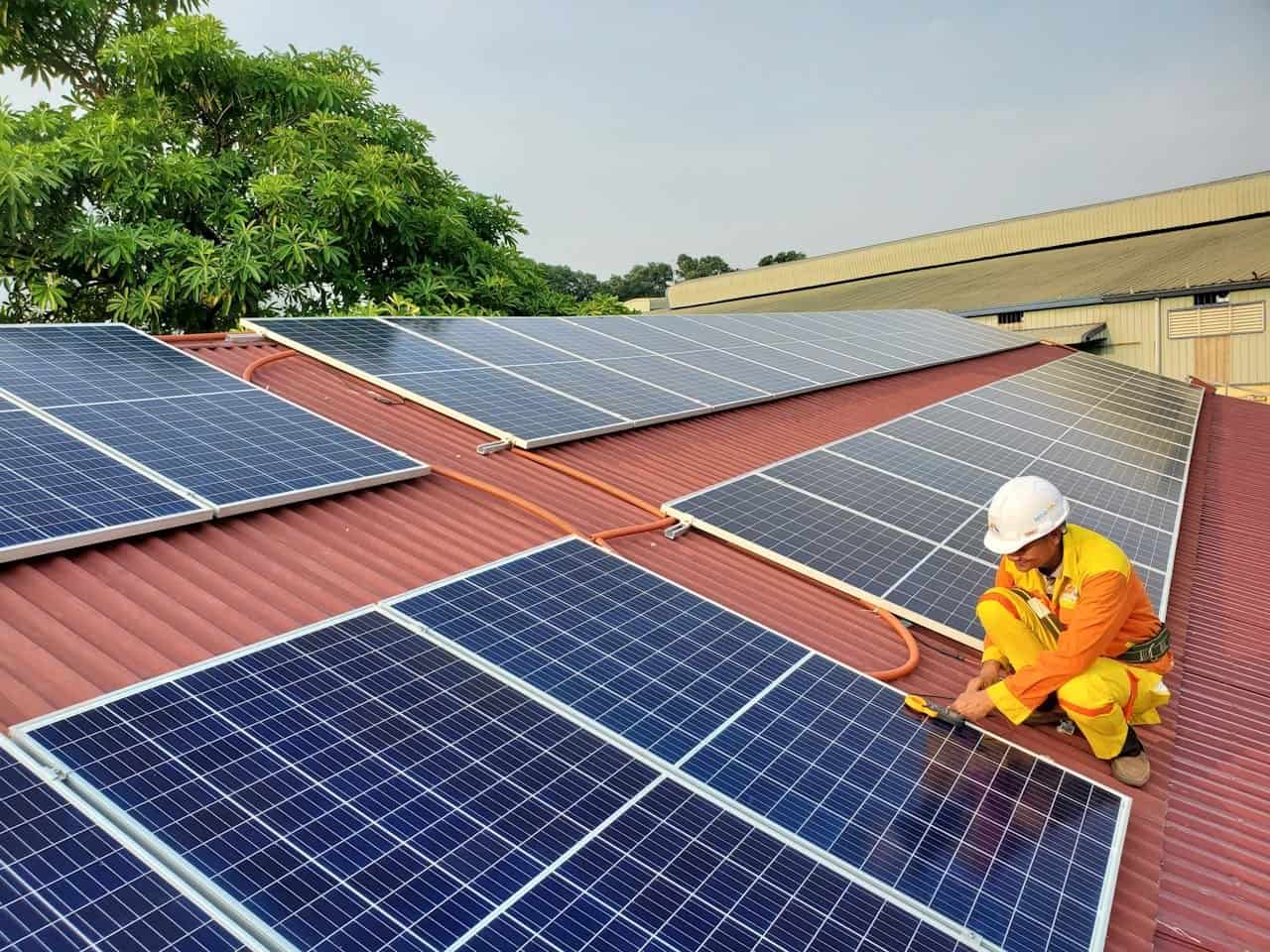
Energy efficiency is usually the fastest way to cut costs and emissions. Audit your premises for draughts, lighting, heating controls, and insulation. If you own your building or have a long lease, consider solar panels or a green tariff backed by renewable energy guarantees of origin. The British Business Bank and high-street lenders offer green finance products for energy-saving assets, while the government’s Energy Savings Opportunity Scheme requires large undertakings to identify energy-saving measures.
3. Rethink travel and transport
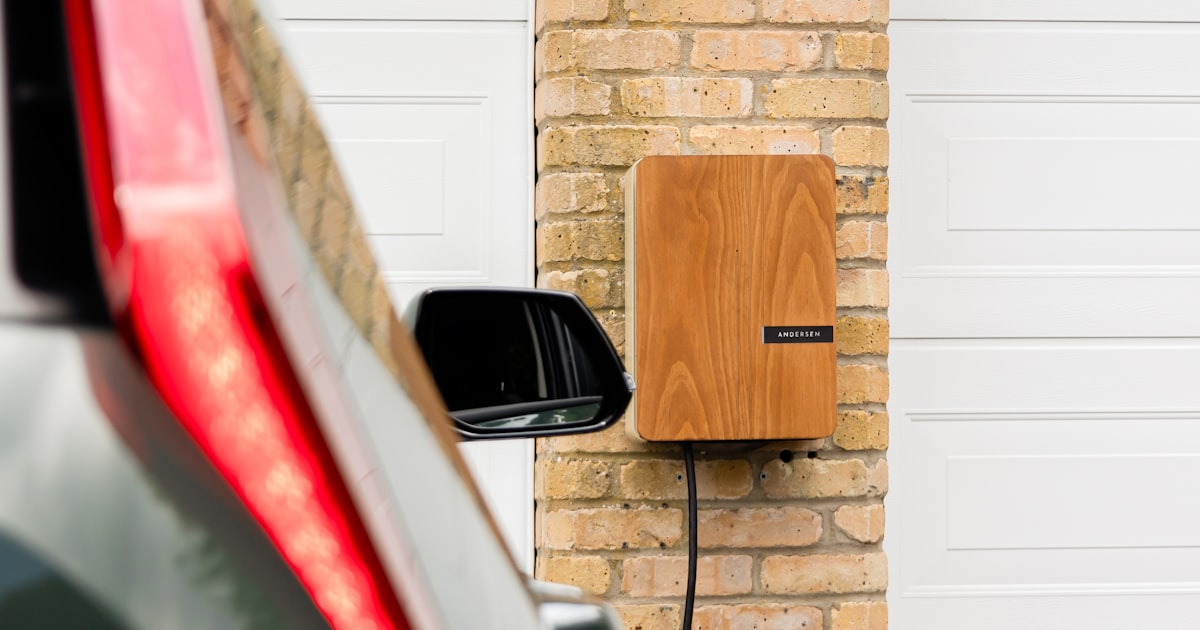
Transport is one of the UK’s largest sources of greenhouse gas emissions. If you run a fleet, switching to electric vehicles can cut emissions and running costs. Check gov.uk for current grants for EV chargepoints and vehicle purchase incentives. For smaller firms, encourage cycling, public transport, and remote meetings. The cycle-to-work scheme remains a tax-efficient way to help staff buy bikes, and reducing unnecessary business travel cuts both emissions and expenses.
4. Build green habits across your team
Culture determines whether a net zero plan succeeds or gathers dust. Assign responsibility to a named individual or small team, set clear targets, and report progress internally. Simple changes, such as reducing single-use items, improving recycling, and switching off equipment, add up. If you are thinking about formalising your broader values, B Corp Certification is one route that includes environmental performance alongside social standards.
5. Use government support and finance
Several UK schemes can help fund your transition. The Climate Change Agreement scheme gives eligible energy-intensive businesses a discount on the Climate Change Levy if they meet energy-efficiency targets. The British Business Bank provides access to green finance, and Innovate UK runs competitions for clean technology development. Local growth hubs and mayoral combined authorities also distribute regional grants for energy efficiency and low-carbon projects. Our guide to Business Grants For Women in UK includes sources of funding that may support green upgrades.
Reporting rules to know
Even if your business is small, reporting requirements are tightening. Streamlined Energy and Carbon Reporting already applies to quoted companies, large unquoted companies, and large limited liability partnerships. The Energy Savings Opportunity Scheme applies to large undertakings, generally those with more than 250 employees or a turnover above £44 million and a balance sheet above £38 million, under current Environment Agency guidance.
Smaller businesses are not currently mandated to report, but larger customers and investors increasingly ask for emissions data, so preparing early makes commercial sense. Start by keeping simple records of energy bills, fuel use, and business travel. This habit will make compliance easier if thresholds change and will strengthen funding applications or tender responses.
Five actions to start this quarter
- Calculate a baseline carbon footprint for your business using a free calculator or accountant.
- Identify the three highest-emission areas in your operations and set one-year reduction targets.
- Switch to a renewable energy tariff or install energy-efficiency measures.
- Review travel and transport policies, including company vehicles and commuting.
- Check whether you qualify for green grants, the Climate Change Agreement scheme, or British Business Bank finance.
Start building your net zero plan
Becoming a net zero business UK leader does not require a perfect plan on day one. It requires a clear baseline, practical steps, and regular progress reviews. For women-led businesses, the transition offers a chance to cut costs, strengthen supply chain relationships, and meet rising customer expectations. Start with the actions above, and treat net zero as a business priority, not just an environmental one.