Building an environmentally conscious company is no longer a side project for UK businesses, but a practical way to manage the environmental and regulatory risks to your business. With the UK’s net zero target set in law for 2050 under the Climate Change Act 2008 (as amended in 2019), regulators, investors, and customers now expect SMEs to show how they are cutting emissions and operating responsibly. For women running businesses, this shift is also an opportunity: a credible sustainability strategy can lower costs, open green finance routes, and differentiate your brand in a crowded market.
This guide sets out practical steps to make your UK business more environmentally conscious, from measuring your carbon footprint to choosing the right reporting framework.
Start by Measuring Your Carbon Footprint
You cannot manage what you do not measure. A clear baseline shows where your business uses the most energy and where the quickest wins lie. The UK government recommends that all businesses measure and report their greenhouse gas emissions, and larger organisations must do so under Streamlined Energy and Carbon Reporting (SECR).
SECR applies to quoted companies, large unquoted companies, and large limited liability partnerships. A company qualifies if it meets at least two of the following thresholds: more than 250 employees, annual turnover above £36 million, or a balance sheet total above £18 million, as set out in the Companies Act 2006 (Strategic Report and Directors’ Report) Regulations 2013, as amended. Even if your business falls below these thresholds, using the same methodology prepares you for future regulation and gives investors confidence.
Free tools such as the UK government’s environmental reporting guidance and the SME Climate Hub calculator can help smaller businesses estimate their footprint without hiring a consultant.
Cut Energy Use and Operating Costs
Energy is one of the largest controllable costs for UK businesses, and reducing it cuts both emissions and bills. Start with a walk-round audit: check heating timers, lighting, insulation, and whether equipment is left on overnight. The Energy Saving Trust notes that no- and low-cost efficiency measures often pay back within a year, making them a sensible first investment.
Consider these practical changes:
- Switch to LED lighting and install motion sensors in low-traffic areas.
- Upgrade to energy-efficient equipment rated A or above.
- Improve building insulation, draught-proofing, and window glazing.
- Use smart meters and energy management software to spot waste.
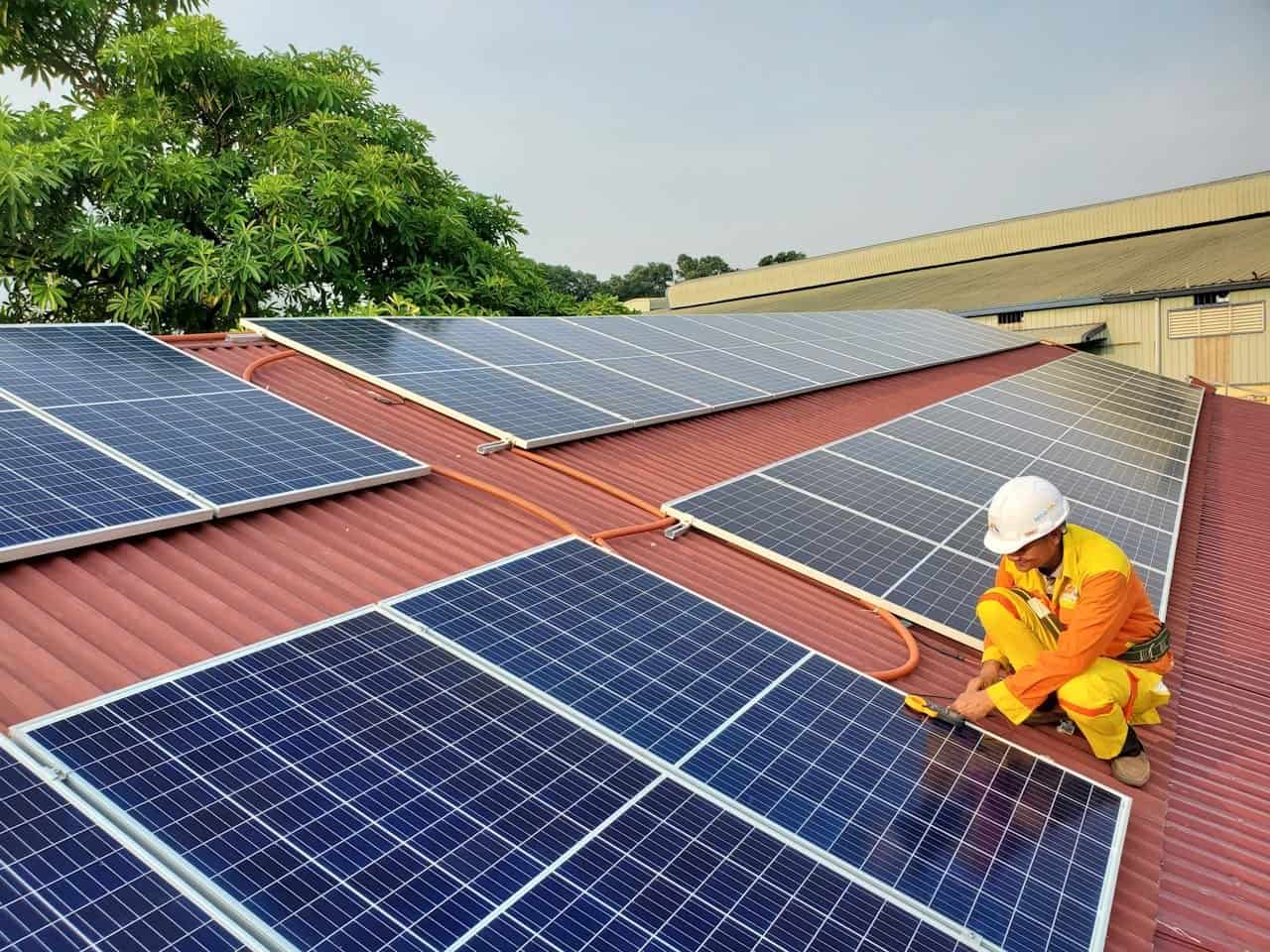
The Climate Change Levy (CCL) is a tax on energy delivered to non-domestic users. Businesses that meet certain energy-efficiency criteria or operate in specific sectors can receive discounts or exemptions, so it is worth checking whether your business qualifies. Once you have reduced demand, consider switching to a renewable electricity tariff or installing solar panels. The Smart Export Guarantee pays small generators for excess renewable electricity exported to the grid. You can also explore the British Business Bank’s guidance on green finance and the government’s Help to Grow scheme for advice on low-carbon technology adoption.
Clean Up Your Supply Chain
For many UK businesses, the majority of emissions sit in the supply chain rather than in direct operations. Ask suppliers about their environmental policies, certifications, and sourcing practices. Prefer suppliers with recognised standards such as ISO 14001, FSC for paper and wood products, or Fairtrade for food and drink.
When procuring goods or services, add sustainability criteria to your tender process. This does not have to increase cost: shorter, UK-based supply chains can reduce transport emissions and currency risk while supporting local economies. For service-based businesses, Scope 3 emissions may also come from cloud computing, business travel, or professional services, so ask your accountant, web host, and logistics provider about their carbon policies. For product-based businesses, reviewing packaging design is one of the fastest ways to reduce environmental impact.
Reduce Travel and Transport Emissions
Transport has consistently been one of the largest sources of UK greenhouse gas emissions. According to the Department for Energy Security and Net Zero’s provisional inventory for 2023, published in 2024, transport accounted for the largest share of UK domestic greenhouse gas emissions. Reducing business mileage is usually the cheapest and most effective first step.
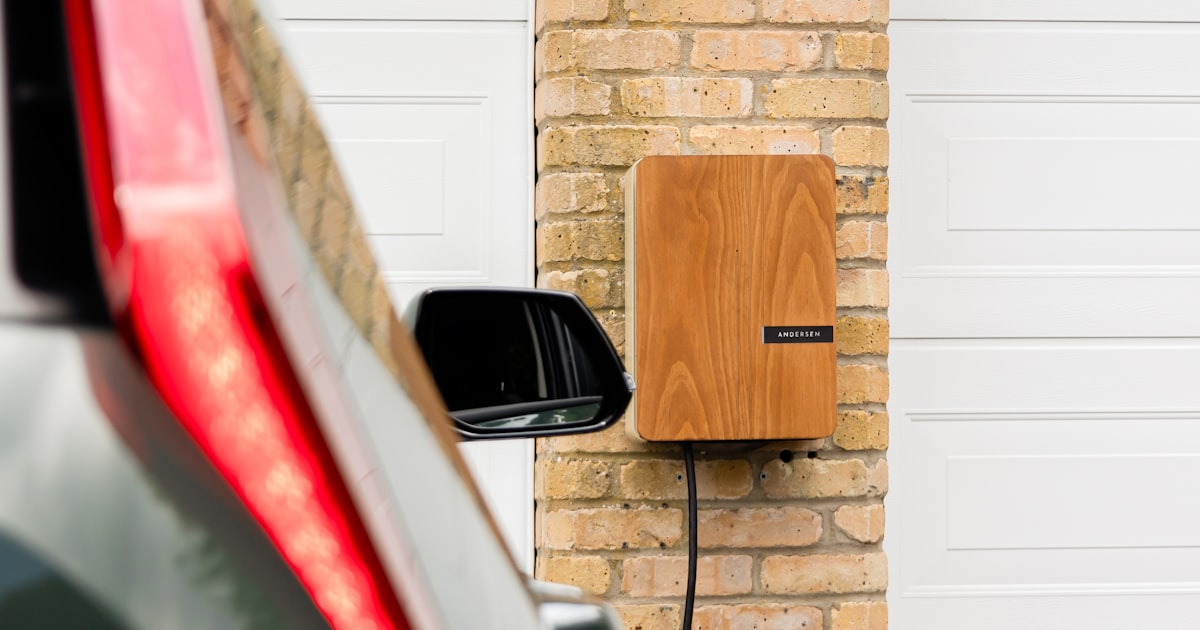
Review whether meetings can be held remotely, consolidate deliveries, and plan routes to avoid empty running. If your business operates a fleet, the government’s plug-in vehicle grants and salary sacrifice schemes for electric vehicles can reduce the cost of switching to electric or hybrid models. Installing workplace charging points may also qualify for grant support through the Workplace Charging Scheme.
Tackle Waste and Packaging
The UK Plastic Packaging Tax, introduced in April 2022, applies to plastic packaging manufactured in or imported into the UK that does not contain at least 30% recycled plastic. HMRC sets the rate annually, so check the current figure when you review your packaging budget. If your business uses plastic packaging, switching to recycled content or alternative materials can keep you compliant and reduce your tax liability.
Beyond packaging, review your waste hierarchy: prevent waste where possible, reuse materials, recycle correctly, and recover energy only as a last resort. Many local authorities and business waste contractors offer free waste audits. Setting clear recycling stations and training staff can cut landfill costs and improve your environmental profile.
Report Progress and Build Credibility
Transparency matters. Customers, employees, and investors increasingly expect businesses to back up green claims with evidence. The Competition and Markets Authority published its Green Claims Code in 2021, setting out six principles: claims must be truthful, clear, unambiguous, and substantiated by evidence. The Advertising Standards Authority has also upheld complaints against businesses that exaggerated their environmental credentials.
Publish a short annual sustainability statement on your website covering:
- Your baseline emissions and measurement method.
- Three to five specific targets for the year ahead.
- Progress against last year’s targets.
- Any third-party certifications, such as B Corp or ISO 14001.
For women-led businesses considering formal certification, B Corp certification provides a recognised framework for environmental and social performance, though the process requires time and documentation.
Action Steps for Your Environmentally Conscious Company
- Calculate your business carbon footprint using a free SME tool or SECR methodology.
- Carry out an energy audit and implement the no-cost changes within 30 days.
- Review your top five suppliers and ask each one for their environmental policy.
- Audit your packaging and waste streams for compliance and cost-saving opportunities.
- Publish a short sustainability statement with measurable targets on your website.
Becoming an environmentally conscious company is a gradual process, but the commercial and reputational benefits start with the first measurable change. For more ways to strengthen your business, see our guides on building sustainability into your brand, cutting costs in a small business, and women in business key facts.