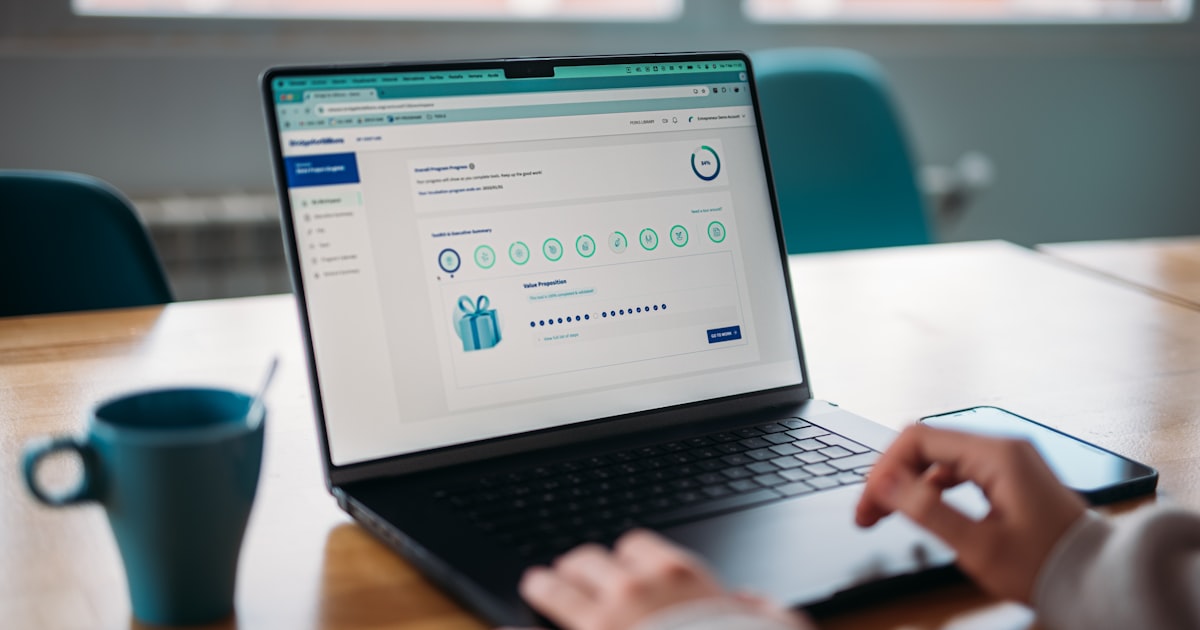
Before you sign a supplier contract, hire a key recruit, or enter a new market, you need evidence, not instinct. The right online research tools UK founders can access for free will help you verify facts, spot red flags, and make decisions with confidence. This guide sets out the most useful free and low-cost UK sources for checking companies, people, finances, and competitors, with women founders in mind.
Why online research matters more than ever
Running a business in the UK means making high-stakes decisions with limited time. According to the Department for Business and Trade, there were approximately 5.6 million private sector businesses in the UK at the start of 2024. Among them, the Alison Rose Review of Female Entrepreneurship estimates there are around 1.4 million women-led businesses. With so much activity, the risk of partnering with the wrong company, hiring the wrong person, or misreading a market is real.
Free online research tools reduce that risk. They let you confirm a company is legally registered, check whether its accounts show warning signs, and verify that a candidate or director is who they claim to be. For women founders who may be negotiating with larger suppliers or entering male-dominated sectors, having independent data strengthens your position.
You can find more context on the scale and contribution of women-led firms in our Women in Business: Key UK Facts page.
Start with online research tools UK founders trust
The UK government holds several public registers that every business owner should know how to use. They are free, authoritative, and updated regularly. Women founders often tell us they feel at a disadvantage in supplier negotiations; pulling up a Companies House record before a meeting levels the playing field.
Companies House
The Companies House register is the single most useful free tool for checking any UK limited company. According to Companies House, it holds more than five million active companies and allows you to search by company name, number, officer, or postcode.
From a company profile you can view:
- registered office address and incorporation date
- current and resigned directors, plus their other appointments
- filing history, including annual accounts and confirmation statements
- charges and mortgages registered against the company
- insolvency proceedings and dissolved company records
Look for patterns. A sudden resignation of multiple directors, repeated late filings, or a string of dissolved companies linked to the same officer can be warning signs. Under the Economic Crime and Corporate Transparency Act 2023, Companies House has also introduced stronger identity verification requirements for directors. If you are registering or updating your own company details, read our guide on Companies House identity verification.
HMRC and tax registers
While HMRC does not publish taxpayer details, its guidance pages explain how to check whether a subcontractor is registered for the Construction Industry Scheme, whether a business is VAT-registered, and what the current tax thresholds are. If you are deciding whether to work with a contractor, asking for their Unique Taxpayer Reference or VAT number and checking it against their invoices is a simple due-diligence step.
Information Commissioner’s Office
The ICO public register lets you check whether a business is registered to process personal data. If you are considering a marketing partnership, a data-processing supplier, or a recruitment agency, a missing ICO registration is a compliance red flag.
Check financial health before you commit
Company accounts filed at Companies House give you a snapshot of financial health. You do not need to be an accountant to spot the basics. For women-led businesses extending trade credit or signing long-term contracts, these checks are especially important.
Key figures to review include:
- Turnover and profit: Is revenue growing, flat, or falling?
- Cash and net assets: Does the balance sheet show enough liquid assets to meet short-term obligations?
- Creditors and debt: Rising debt without rising revenue can signal pressure.
- Going concern notes: Auditors or directors may flag uncertainty about the company’s ability to continue trading.
The Insolvency Service reported that company insolvencies in England and Wales reached 25,577 in 2024, the highest annual total since 1993. Checking filing dates and financial trends before you extend credit or sign a long-term contract is not overcautious; it is essential risk management. Our guide on how to risk-proof your small business explains how to build this into your wider planning.
Research people, not just companies
Recruitment and partnership decisions are just as important as supplier decisions. Online research can confirm professional history and highlight inconsistencies. Women founders making their first key hire can use these checks to avoid costly recruitment mistakes.
LinkedIn and professional networks
LinkedIn remains the most useful free tool for checking a candidate’s or director’s career history. Cross-reference dates and job titles against their CV or company filings. Gaps, overlapping full-time roles, or rapid moves between short-lived companies may warrant further questions.
Professional bodies and accreditations
Many UK professions maintain public registers. If someone claims to be a chartered accountant, solicitor, surveyor, or financial adviser, check the relevant body directly:
- Institute of Chartered Accountants in England and Wales
- Law Society of England and Wales or Law Society of Scotland
- Financial Conduct Authority register for regulated financial services
Right to work and DBS checks
For recruitment, use the gov.uk right-to-work checking service and the Disclosure and Barring Service for roles that require a DBS certificate. These are legal requirements in many cases, not optional extras.
Use market and competitor intelligence
Research is not only defensive. It can also reveal opportunities. Women founders entering crowded or male-dominated markets can use free data to identify gaps and benchmark their offer.
Google Business Profile and local search
Search for competitors in your area and study their reviews, pricing, services, and customer complaints. This is free, real-time market research.
ONS and sector data
The Office for National Statistics publishes free data on employment, earnings, industry turnover, and regional economic activity. If you are planning to expand or launch in a new location, ONS data gives you an objective baseline.
Intellectual Property Office
The Intellectual Property Office lets you search existing trademarks, patents, and designs. Before you invest in branding or product development, check that you are not infringing someone else’s rights.
Watch for warning signs
Online research is most valuable when it stops you from making a costly mistake. Be alert to the following red flags:
- Companies that have never filed accounts or are consistently late
- Directors with a history of dissolved companies or disqualifications
- Businesses with no physical address, no website, or no digital footprint
- Suppliers who refuse to provide references or VAT numbers
- Candidates whose qualifications cannot be verified by the awarding body
The Federation of Small Businesses regularly identifies late payment and bad debt among the biggest threats to small firms. Taking 15 minutes to research a new customer or supplier can save months of chasing unpaid invoices. Women-led businesses are not immune, and the time saved can be reinvested in growth.
Take these action steps
- Set up a free bookmark folder for the five core UK registers: Companies House, ICO, Intellectual Property Office, ONS, and gov.uk.
- Before signing any contract over £5,000, review the other party’s Companies House filing history and latest accounts.
- For every key hire, verify professional qualifications and carry out a right-to-work check.
- Check the ICO register before sharing personal data with a new partner or agency.
- Review your own company record on Companies House to make sure it is accurate and up to date.
Build a research habit
Free online research tools UK founders can use every day are more powerful than ever. From Companies House filings to professional registers and ONS data, the evidence you need to make better decisions is already available. The women founders who build a simple research habit into their decision-making process reduce risk, avoid bad deals, and negotiate from a position of knowledge.