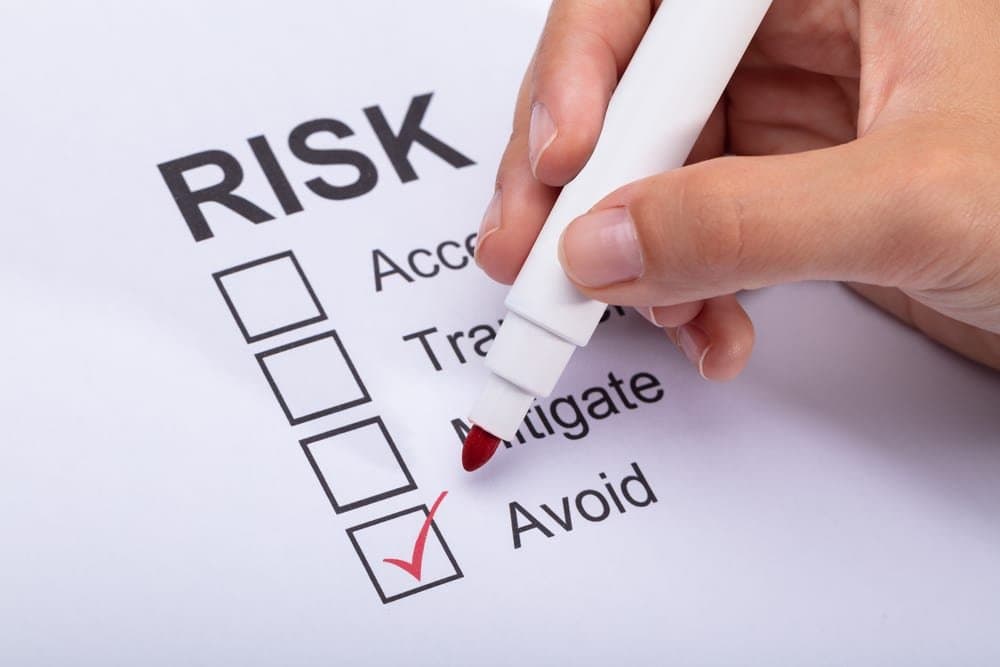
Starting and growing a business calls for a careful blend of optimism and realism, because while enthusiasm inspires your team, partners and customers, lasting success depends on spotting threats early and planning for them, so if you want to risk-proof your small business—whether through malware defence UK small business measures or broader safeguards—the first step is to ask what is the worst that could happen and then put a practical plan in place to deal with it.
The UK had 5.6 million private sector businesses at the start of 2024, and 99.2% of them were small businesses with fewer than 50 employees, according to the Department for Business and Trade’s business population estimates. Women-led businesses are a growing force within that figure, yet they often face distinct risks around funding, scaling and cash flow. For the latest picture, see our Women in Business: Key UK Facts page.
Risk management is not about eliminating every danger; it is about reducing the chance and impact of problems so you can recover quickly. Start by drawing up a simple risk register: list the events that could disrupt trading, estimate their likelihood and impact, and assign someone to take action. This turns vague worries into a manageable to-do list.
Below are the key risk areas every UK small-business owner should review.
Risk-proof your small business with a simple risk register
A risk register does not need to be complicated. Create a table with four columns: the risk, how likely it is, the potential impact, and who will act. Review it every quarter, and again after any major change such as taking on staff, launching a new product, or moving premises.
Women founders often juggle multiple roles, so a risk register is especially useful for making sure nothing falls through the cracks. Common risks for small businesses include losing a major client, a key person falling ill, a cyber attack, stock damage, regulatory changes, and cash flow shortages. Scoring each risk by likelihood and impact helps you prioritise the ones that need immediate attention rather than spreading yourself too thin.
Protect your intellectual property
Intellectual property covers anything original your business creates, from its name and logo to product designs, written content, software and inventions. For women-led businesses in creative, tech or product sectors, IP can be one of the most valuable assets on the balance sheet. Protecting these assets stops competitors from copying or free-riding on your ideas.
In the UK, a registered trademark protects your brand name, logo, slogan and other distinctive signs, copyright automatically protects original creative work such as photographs, videos, music, books and website copy, and you may also need design rights for product shapes or registered designs for stronger protection, plus patents for new inventions; even if you do not register every asset immediately, keep dated records of designs, drafts and prototypes to keep remote workers connected to the official versions and to help prove ownership if a dispute arises.
Trademark registration is handled by the UK Intellectual Property Office. As of 2026, an online application for one class costs £170, with each additional class costing £50. Many straightforward applications can be completed online without legal help, but if your brand is complex or faces opposition, consult a UK IP solicitor or trademark attorney.
Get the right insurance cover
Insurance is one of the simplest ways to transfer risk away from your business. In the UK, if you employ anyone, even casually or temporarily, employers’ liability insurance is a legal requirement in almost all cases, enforced by the Health and Safety Executive. You need cover for at least £5 million and you can be fined £2,500 for every day you are not properly insured. Display your certificate or make it available to employees.
Beyond that, the cover you need depends on your industry and how you operate. Women founders who work from home or run service-based businesses should check that their policies cover their actual activities, not just a generic package. Common policies include:
- Public liability insurance, essential if customers, clients or members of the public visit your premises or use your services.
- Professional indemnity insurance, important if you give advice, provide designs or offer professional services.
- Product liability insurance, covering injury or damage caused by products you sell, supply or manufacture.
- Property and contents insurance, protecting buildings, stock, equipment and fixtures against fire, flood, theft and other damage.
- Business interruption insurance, helping replace lost income if an insured event forces you to stop trading temporarily.
- Cyber insurance, increasingly useful for covering the costs of data breaches, ransomware and business disruption.
Many client contracts and industry bodies also specify minimum insurance levels, so check your agreements before choosing cover. If your business is niche or specialist, speak to an independent insurance broker who can compare policies from several providers. Always check policy limits, exclusions and excesses before you buy, and review your cover at least annually or whenever your business changes. For a fuller overview, see our startup’s guide to insurance.
Close cyber security gaps in your business
Cyber crime remains one of the biggest risks facing small businesses. According to the UK government’s Cyber Security Breaches Survey 2025, 43% of UK businesses identified a cyber security breach or attack in the previous 12 months. The figure rises to 62% for medium-sized businesses and 74% for large businesses. Among the organisations that identified breaches, the average estimated cost was £1,190 for all businesses and £10,830 for medium and large businesses combined.
Women-led professional services and e-commerce businesses are common targets because they hold client data and process payments online. Phishing remains the most common threat, but malware, ransomware and impersonation attacks are also widespread. The good news is that basic, low-cost measures stop the majority of attacks. Prioritise the following:
- Turn on a firewall and keep reliable anti-virus and anti-malware software up to date.
- Encrypt sensitive data and keep regular, tested backups stored separately from your main systems.
- Use strong, unique passwords and require multi-factor authentication on all important accounts.
- Apply software updates and security patches as soon as they are released.
- Provide regular cyber security training so staff can recognise phishing and suspicious links.
- Consider managed IT support or a cyber incident response plan if you lack in-house expertise.
If a breach does occur, report it promptly to Action Fraud and, where personal data is involved, to the Information Commissioner’s Office within 72 hours where required. The National Cyber Security Centre publishes a free Small Business Guide with step-by-step advice tailored to UK organisations.
Secure your premises and physical assets
Physical security protects your stock, equipment, cash and data, and it sends a clear message to criminals that your business is not an easy target. Whether you run a shop, studio or home office, physical security matters. Start with a simple walk-around to identify weak points such as dark areas, unlocked doors, ground-floor windows or places where valuable items are visible.
Practical measures include installing security lighting around entrances and car parks, fitting strong window locks and reinforcing doors, introducing access control systems such as key fobs or coded entry, investing in a monitored intruder alarm with visible signage, using CCTV to cover blind spots, and keeping high-value stock and cash out of sight in a securely anchored safe.
Do not forget fire safety: carry out a fire risk assessment, maintain extinguishers and ensure staff know evacuation procedures. Good health and safety practices reduce both physical danger and the risk of costly claims. If you install CCTV, you must comply with UK data protection law, including the requirement to display clear signage and to store footage securely. Window shutters or grilles can deter thieves, but you may need planning permission from your local council, especially in conservation areas or on listed buildings.
Build a financial safety net
Financial shocks are one of the main reasons small businesses fail. According to the Insolvency Service, there were 22,400 company insolvencies in England and Wales in 2024. Women-led businesses can be particularly exposed to funding gaps, so understanding your numbers and building reserves is essential.
Start by maintaining a cash flow forecast and reviewing it weekly. Build an emergency reserve that covers at least one to three months of operating costs where possible. Separate personal and business finances, chase late invoices promptly, and know your funding options before you need them. For practical tactics, see our cash flow tips for UK business owners.
Your next steps to reduce business risk
When you risk-proof your small business, you turn risk management into an ongoing process rather than a one-off task. Review your risks at least once a year, after any significant change, and whenever new threats emerge. By dealing with the problem areas early, you free yourself to spend less time firefighting and more time growing your business.
Start this week: schedule 30 minutes to draft your risk register, check your insurance expiry dates, and run a quick cyber health check. Small actions now can prevent major disruption later.