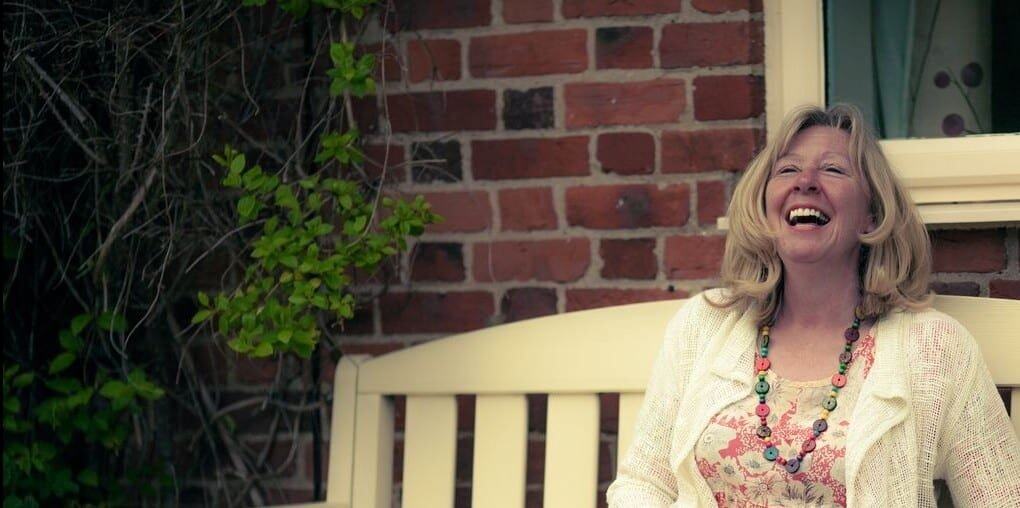
Setting up a business was Maggie Sorrell’s salvation. After a devastating accident, doctors told her she would never walk again, so Maggie began researching how lifestyle changes could support her recovery. The result was a full recovery and the creation of Breathing Space, a Norfolk B&B and haven for women. Anne Francis spoke to her there.
Maggie’s story is a powerful reminder that a personal crisis can become the foundation of a purposeful enterprise. The 2024 Alison Rose Review of Female Entrepreneurship found that women-led SMEs contribute £95 billion to the UK economy, up from £85 billion in 2023. The same review estimates that closing the enterprise gap between men and women could add up to £250 billion to the economy. Many women start businesses after life-changing events such as illness, redundancy or caring responsibilities. For women who need flexibility, autonomy and a mission they believe in, starting a business after illness can be a genuine route back to financial independence and wellbeing.
Starting a business after illness: the UK context
Women are now the fastest-growing group of entrepreneurs in the UK. According to ONS labour market data from 2024, women account for a growing share of the self-employed workforce, with women over 50 one of the fastest-growing segments. Many of these new ventures are driven by a need for flexibility after health challenges. The 2024 Rose Review reported a record number of women-led businesses being created, with social enterprise and community-focused models particularly popular among women who want their work to reflect their values.
That trend matters because traditional employment does not always accommodate recovery, caring responsibilities or fluctuating health. A business can be designed around your energy levels, your location and your priorities in a way that most jobs cannot.
What led you to start Breathing Space?
It all began in 2008 when I sold my catering business, Taste Buds, which I had run in Essex for 12 years. I was starting to explore organic and raw food after an accident left me unable to walk for two years; doctors told me I’d never walk again. That prognosis led me to research healing through lifestyle in depth.
I sold my house and the catering business and set out to find a rural retreat for myself. After a lot of research, I chose Norfolk and completely fell in love with it. One thing led to another and I moved here in 2008. Friends came to visit and we did simple, joyful things: riding bikes, enjoying the beach, being in nature. It felt like being children again, and friends often said, “Everyone who leads a busy life should be doing this.” I firmly believe that in our modern, high-stress world there is a real need for breathing space.
Those conversations led me to scribble ideas on a single sheet of paper, and from that emerged Breathing Space B&B. Everything grew from that one sheet. I enjoyed building the website and the business grew without any formal marketing. I’m naturally gregarious, and social media became an excellent way to get my message across. I decided to cater for women because I was living on my own, and eventually my plans turned into something bigger that has taken over my life. I love it. I meet interesting people, share my beautiful B&B, provide delicious healthy food and introduce visitors to Norfolk.
Where are you now?
Breathing Space was established with the intention of becoming a community interest company (CIC), a legal structure that lets social enterprises lock their social mission into their governing documents. Rather than distributing profits to private shareholders, a CIC reinvests its surplus into its stated community purpose. In our case, the aim was to direct excess profits towards caring for carers. The CIC model has grown enormously in the UK; the CIC Regulator reported that more than 35,000 CICs were on the official register by 2024, many of them led by women who want their business to do more than make money.
I am also part of a trust called Missing Kind, which focuses on bringing people from different generations together. It supports projects such as building eco farms within local communities and developing self-sustaining businesses across the world. It is a great way for people with a passion for making a difference to get involved.
What were your main barriers to starting the business?
Because I let it happen quite organically, I did not come across many barriers. Selling the Essex business gave me the capital to start my new life. There were some local authority restrictions that I found difficult at first, but redefining the venture as a B&B rather than a retreat overcame that hurdle. I am a very hands-on, can-do person, so I do not really think in terms of barriers.
Her experience is common among rural hospitality founders. Planning rules and change-of-use classifications can be one of the biggest headaches when converting a residential property into guest accommodation. Getting early advice from your local council and understanding permitted development rights can save months of delay.
What other help did you receive?
I had excellent coaching, which was refreshing because more traditional business support agencies seemed to miss the whole point of my business. My whole life was changing and I felt they did not understand that at all; I did not feel listened to. My business was about a lifestyle change for my own health and sanity. The tranquillity and warmth of North Norfolk provided the ideal environment for me and my visitors to breathe and re-energise.
Friends and family helped in countless ways, from decorating the buildings to keeping me sane. We also began welcoming volunteers, who came from all over the world to help out in exchange for food and lodging. For anyone starting out, finding a mentor or peer group who understands your personal motivations is invaluable. If finance is a barrier, our guide to Start Up Loans for female founders explains the current eligibility criteria and application process.
What are your business values?
Inspiring people to live the life they truly want, especially when they feel stuck. Breathing Space gives guests a chance to see clearly again. My business values match my personal values: providing a non-judgemental environment where people can flourish. Just as people take their own time, I have allowed my business to grow at a steady, relaxed pace. Running it as a CIC makes a difference to the wider community, and I am deeply involved in creating a rich community of like-minded people. Guests tend to return time and again to plug into the space; it becomes a second home. There is a real sense of belonging, with people helping in the garden and contributing far more than money.
What advice would you give a new businesswoman?
- Follow your heart and whatever you are passionate about.
- Don’t let anything or anyone put you off; the “experts” can be wrong.
- Find a mentor you can relate to and who understands what your business means to you.
These principles still hold true. British Business Bank research has highlighted that women entrepreneurs are more likely to thrive when they have access to relatable mentors and networks. Building a business around your values is not a soft option; it is a strategy that creates loyalty, resilience and long-term growth.
What are your future plans?
My plan is to expand without losing intimacy. Not to franchise or move to a bigger place, but to take the concept abroad and offer people something different. I want to introduce more people to the beautiful, untouched sandy beaches, the Broads and the magic that is Norfolk.
Lessons from Maggie’s story about starting after illness
Maggie’s journey shows that starting a business after illness is not just possible; it can be transformative. Whether you are recovering from a health condition, redundancy or simply a sense that there must be more to life, her story is proof that a clear purpose and a supportive community can turn a single sheet of paper into a thriving enterprise.
The practical lessons are clear. First, use your existing skills: Maggie’s catering background became the foundation for her B&B’s food offering. Second, choose a legal structure that matches your mission. For social enterprises, a CIC can lock your community purpose into your governing documents. Third, build slowly and let demand guide growth rather than forcing scale.
Action steps for starting a business after illness
- Audit your skills, savings and support network before you commit to a business model.
- Speak to your local council about planning and licensing if your venture involves property or hospitality.
- Explore women-focused funding options such as Start Up Loans and local growth hubs.
- Find a mentor or peer group who understands both the business and the personal transition you are making.
- Consider a social enterprise structure if community impact is central to your idea.
If you are thinking about starting or growing your own venture, explore our women in business facts and free workplace mental health tips for practical, women-focused support.