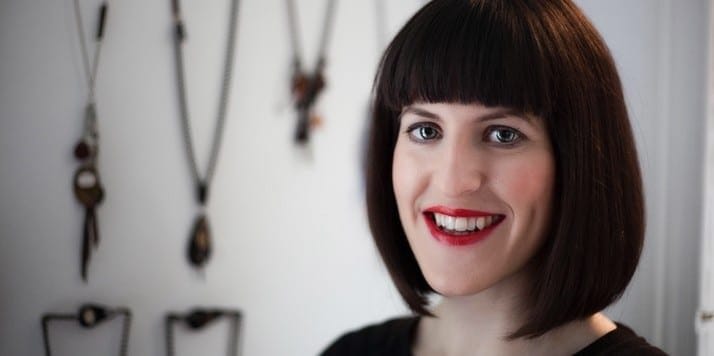

FoFor someone who thrives on creating order from chaos, leaving a secure corporate career to start a business was always going to be Anna Hill’s toughest challenge on her journey from baby loss to building a female-led healthcare business.ince launching Tidy Minds in 2013, she has turned that challenge into a mission: helping women entrepreneurs across the UK turn brilliant ideas into real businesses. InPowering ahead in content marketing: Kathryn Strachan shares Anna’s Real Women Q&A about the story behind Tidy Minds, the values that guide her work, and the lessons she has learned along the way.hy did you start your business?
I started Tidy Minds because I’m passionate about helping women fulfil their professional ambitions. After 12 years as a PR and reputation management specialist, advising high-achieving women in the public and private sectors, I saw how much talent and determination was going untapped. Their ambition inspired me to think practically about how more women could turn their ideas into reality.
The need is only growing. The latest Alison Rose Review of Female Entrepreneurship estimates that women-led businesses contribute around £85 billion to the UK economy each year, yet women still start and scale businesses at lower rates than men. If we can remove some of the practical barriers that hold women back, the economic and social benefits could be enormous.
What is your product or service, and what need does it meet?
Women often have so many competing priorities — career, family, caring responsibilities, finances — that they can lose sight of what really matters to them. A change of circumstances, such as having children, being made redundant or reassessing priorities after a career break, can be the catalyst for starting a business. But if a great idea never sees the light of day, we all lose out.
Tidy Minds exists to help budding entrepreneurs stop thinking and start doing. I work with clients to clarify their goals, map out a practical plan and create the momentum they need to move forward. While Tidy Minds began in London and the South East, I now work with women across the UK, both in person and online.
Tell us about yourself
I would definitely describe myself as more of a do-er than a talker. I’ve always been organised, with strong attention to detail — I’m sure my background as a journalist and sub-editor has a lot to do with that. Tidy Minds is the perfect outlet for those skills. Friends tend to come to me for practical advice rather than a shoulder to cry on, and that same tactful, action-oriented approach is what I bring to my client work.
What are your values, and what role do they play?
I’m a big advocate of keeping things smart and simple. The best ideas often fulfil the most basic need, so if something seems obvious, don’t overcomplicate it with “what ifs”. In my sessions I use a “Today’s the Day” schedule to keep our time focused and productive. The work is intensive — usually delivered over one or two days — because I want clients to see the benefit of their investment quickly.
Authenticity is another core value. Every client gets a service tailored to her individual needs. I’m happy to share my own experiences while staying an impartial observer, and I can’t help but get excited about a new business idea. My clients get enthusiasm, honesty and someone rooting for them from day one.
What are the high points?
The high points are the lightbulb moments when a client suddenly sees everything fall into place. Just talking through ideas in a logical, strategic way can make a business feel real. It’s wonderful to hear someone say, “I never thought of that” or “Wow, that’s it.” Those moments stay with both of us.
What were the toughest challenges, and how did you overcome them?
The toughest challenge was making the leap from a tried-and-tested career to an entrepreneurial path that pushed me well outside my comfort zone. Going out and promoting my expertise to highly effective, ambitious women can feel daunting, but empathy, active listening and a sense of humour go a long way toward breaking the ice and building trust.
Like many female founders, I also had to learn to back myself. The UK start-up ecosystem has improved, but women still receive a tiny fraction of venture capital funding and are more likely to self-finance. Building a strong network and celebrating small wins has helped me keep perspective.
How do you market the business?
Most of my client leads still come from face-to-face networking and referrals, which I really enjoy. I attend a wide range of events and treat each one as a chance to have interesting conversations. If business comes up, it’s usually because we’ve already established a rapport, which makes working together a natural next step. I also use LinkedIn and email newsletters to stay in touch with people between meetings.
What technology helps?
Video calls — usually Zoom or Microsoft Teams — are essential for initial consultations and ongoing check-ins. I’m also a fan of simple organisational tools such as Microsoft To Do, Todoist or Trello, and I often recommend them to clients as an easy way to stop their to-do lists from getting on top of them. A shared digital notebook like Notion can also be useful for capturing ideas and tracking progress.
Where do you get support?
I have a wonderfully supportive husband who listens to my ideas and reassures me when doubts creep in. I’m also lucky to have close friends who know my ideas sometimes get the better of me but continue to encourage me. Beyond that, women’s business networks and peer groups have been invaluable for honest feedback, accountability and the occasional reality check.
Who has inspired you, and why?
Lots of people have inspired me. Early in my career, the TV adaptation of Michael Dobbs’ House of Cards sparked my interest in journalism — the character Mattie Storin, played by Susannah Harker, arrived at just the right moment. Two of my former bosses stand out for their generosity in sharing expertise and giving feedback that still influences me today.
More recently, I’ve read many biographies of inspiring women and entrepreneurs. Dame Stephanie Shirley’s Let IT Go is a powerful reminder of what female founders can achieve against the odds, and Caitlin Moran’s How to Be a Woman remains a firm favourite — up the women!
What are your future plans or goals?
I want to keep growing Tidy Minds so it can support more women, wherever they are in the UK. That means building a small team of “Tidy Minders,” developing online programmes and workshops, and continuing to travel and meet inspiring women across the country.
Three things you have learned?
- The quicker you can move on from the things that don’t go right, the quicker you’ll find success.
- Never underestimate the power of a good conversation. Asking the right questions unlocks a wealth of shared experience, and you’ll be amazed at what you learn.
- Do it your way. Others may tell you they know better, but it’s your idea and you know it best. That doesn’t mean you can’t ask for help — just make sure you’re not changing direction purely to suit other people.
Your best piece of advice?
If in doubt, trust your gut. It never lies and it only has your best interests at heart.
Anna Hill is the founder of Tidy Minds — creating order from chaos.
Share your own start-up story on Prowess and inspire other women in business.