The UK’s handmade economy is one of the most resilient corners of British business. According to the Crafts Council’s most recent sector analysis, published in 2022, the craft sector contributes around £3.4 billion to the UK economy and supports more than 11,000 craft businesses. For women makers, from jewellers and ceramicists to textile artists and furniture makers, the opportunity to start selling handmade goods globally is now within reach without the cost of a high-street shop or overseas stockists.
Women-led businesses are a growing force. The 2024 Alison Rose Review of Female Entrepreneurship Progress Report found that women-founded businesses account for 20% of all UK companies, up from 16% in 2018. The same review estimates that closing the enterprise gender gap could add up to £250 billion to the economy. At the same time, consumer appetite for unique, sustainable, locally made products continues to rise. Buyers are actively seeking alternatives to mass-produced goods, and many are willing to pay a premium for provenance and craftsmanship.
Technology has removed many of the traditional barriers to international trade. A professional website, a reliable payment processor and a few well-chosen sales channels can put your products in front of customers in Europe, North America and beyond. The key is to plan carefully, price realistically and treat your craft as a business from day one.
Start with the right business structure and tax basics
Before you list your first product overseas, make sure your business foundation is solid. If you are not yet trading, register as self-employed with HMRC once your turnover exceeds the £1,000 trading allowance for the 2026/27 tax year. You can read more in our Self Employed Tax UK: A Complete Guide for 2026/27.
Most makers begin as sole traders because the setup is simple and costs are low. Once your turnover grows, a limited company can offer more protection and tax flexibility. Keep accurate records from the start, because Making Tax Digital for Income Tax Self Assessment is being phased in and will eventually require quarterly digital updates for most self-employed people.
Choose sales platforms that match your margins
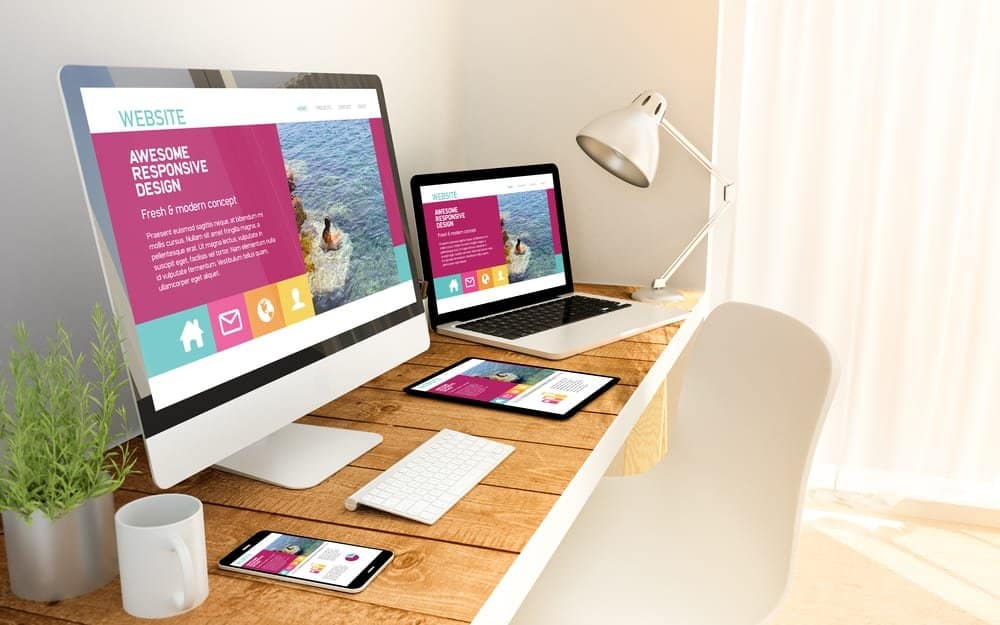
Your own website is the cornerstone of a resilient handmade business. It gives you control over your brand, your customer data and your profit margins, and it acts as a trusted home for your story, your making process and your values. A standalone site also protects you from algorithm changes and unexpected fee rises on marketplaces.
That said, established online marketplaces remain one of the fastest ways to reach an international audience. Compare them honestly against your margins before committing.
Etsy
Etsy is the best-known global platform for handmade, vintage and craft supplies. As of 2026, Etsy charges a $0.20 listing fee per item for four months (roughly £0.16, depending on exchange rates), a 6.5% transaction fee on the sale price, a payment processing fee, a regulatory operating fee for UK sellers and optional advertising costs. Because fees are set in US dollars, the sterling amount can fluctuate.
Folksy
Folksy is the largest UK-focused handmade marketplace. As of 2026, it charges 15p plus VAT to list an item for 120 days and takes a 6% commission plus VAT on sales. Folksy also offers an optional Plus subscription for £5 a month, which includes unlimited free listings and can work out cheaper if you list regularly.
Not On The High Street
Not On The High Street is a curated UK marketplace with a strong gift-buying audience. It is application-only and charges a one-off joining fee plus commission on sales, so it suits makers with a strong brand identity and the capacity to fulfil higher volumes.
Amazon Handmade, eBay and Shopify
Amazon Handmade gives global reach through Amazon and charges no monthly professional selling fee for approved makers, though it takes a referral fee on each sale. eBay allows private sellers to list a generous number of items free each month, while business sellers pay insertion and final value fees. As of 2026, Shopify lets you build a standalone online shop with subscription plans starting from around £25 per month plus payment processing fees.
Social commerce
Instagram Shop, TikTok Shop, Facebook Marketplace and Pinterest allow makers to tag products in posts and videos, turning inspiration into sales. These platforms work best when combined with a clear brand story and regular, authentic content.
Handle EU and international shipping with confidence
Selling overseas means more than simply accepting foreign orders. Since Brexit, sending goods to the EU requires customs declarations, an EORI number starting with GB and accurate commodity codes. You will also need to understand duties, VAT and rules of origin under the UK-EU Trade and Cooperation Agreement. Full customs controls under the government’s Border Target Operating Model are now in effect, so check the latest guidance on gov.uk before you dispatch.
Many marketplaces now collect EU VAT at checkout under import schemes, but if you sell through your own website you may need to register for VAT in relevant countries once you pass their distance-selling thresholds. The EU-wide threshold for the One-Stop Shop (OSS) scheme is €10,000, according to HMRC guidance, 2026. In the UK, the VAT registration threshold remains £85,000 until at least April 2026, according to HMRC.
Shipping is often the biggest learning curve. Research carriers that offer tracked, insured international delivery and be transparent about delivery times and costs on your product pages. Build postage and packaging into your prices where possible, and decide in advance how you will handle returns, lost parcels and customs charges. Clear terms and conditions and a straightforward returns policy build trust with overseas buyers.
Price for profit, not just sales
Underpricing is one of the most common mistakes among makers. Your price needs to cover materials, labour, overheads, platform fees, packaging, shipping, returns and tax. Use a simple formula: wholesale price equals (materials plus labour plus overheads) multiplied by two; retail price equals wholesale price multiplied by two. This gives you room to sell through stockists or run promotions without destroying your margin.
When selling overseas, factor in currency conversion, international postage and the cost of dealing with returns. Display prices in the buyer’s local currency where possible, and be clear about who pays customs duties on delivery.
Protect your designs and customer data
Protecting your designs matters. Look into intellectual property basics such as copyright, registered designs and trademarks through the UK Intellectual Property Office, especially if your products have a distinctive look. Copyright arises automatically when you create an original work, but registered designs and trademarks give stronger protection if someone copies you.
Make sure your website complies with UK GDPR and the Data Protection Act 2018 if you are collecting customer information. This includes having a clear privacy policy, a lawful basis for processing data, and secure storage of payment details.
Find support and funding
There is a wealth of support available. The British Library’s Business & IP Centre, local Growth Hubs and women in business networks offer mentoring, funding advice and export workshops. The Department for Business and Trade runs the free UK Export Academy, which covers everything from market research to customs paperwork. For an overview of the wider landscape, see our Women in Business: Key UK Facts page and our review of the Rose Review Female Entrepreneurship: Progress or Promises?.
If you need finance to buy materials or scale production, explore Start Up Loans, local grants and women-focused funding programmes.
Selling handmade goods globally in 2026
The opportunity for women makers has never been larger, but success overseas depends on treating your craft as a business. Get your tax and legal foundations right, choose platforms that protect your margins, and be transparent with international customers about shipping, duties and returns. Selling handmade goods globally is no longer reserved for big brands; with the right mix of craft, commercial thinking and digital confidence, a kitchen-table business can become a global brand.
Action steps to take now
- Check your turnover against the £1,000 trading allowance and register with HMRC if needed.
- Compare marketplace fees against your margins before listing internationally.
- Apply for an EORI number and research commodity codes for your products.
- Review VAT obligations in the UK and any EU countries where you sell.
- Register your designs or trademarks if your work has a distinctive look.
- Join the UK Export Academy or your local Growth Hub for free export support.
Quick platform fee comparison
| Platform | Best for | Key costs |
|---|---|---|
| Etsy | Global handmade audience | $0.20 listing; 6.5% transaction fee; payment processing; regulatory operating fee; optional ads |
| Folksy | UK-focused makers | 15p + VAT listing; 6% + VAT commission; £5/month Plus option |
| Not On The High Street | Curated gift market | One-off joining fee + commission; application-only |
| Amazon Handmade | Global Amazon shoppers | No monthly fee for approved makers; referral fee per sale |
| eBay | One-off pieces and vintage supplies | Free listings for private sellers; insertion and final value fees for business sellers |
| Shopify | Standalone branded shop | From £25/month plus payment processing |