This interview was first published in 2014 and has been updated for 2026.
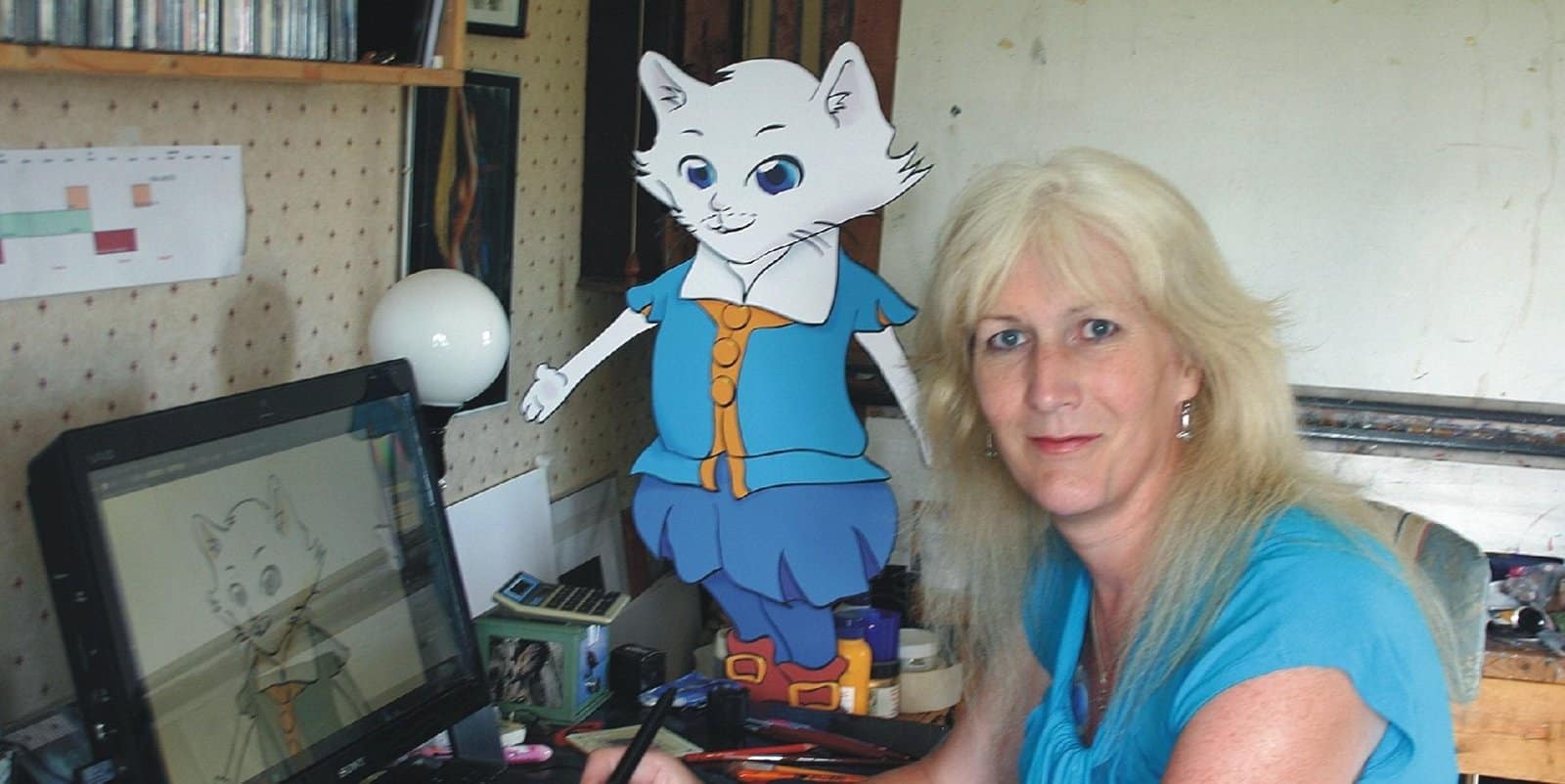
When the government-backed Start Up Loans scheme made its 20,000th loan in 2014, the borrower was 55-year-old Melissa Mailer-Yates, founder of Shakespuss & Co Ltd, the scheme reported at the time. Her company aimed to introduce children to Shakespeare through animation and merchandise. At the time, the milestone highlighted a shift that is still reshaping UK enterprise today: Start Up Loans women over 50 are one of the fastest-growing groups of entrepreneurs in the country.
Start Up Loans offers fixed-rate unsecured business loans of up to £25,000, alongside free mentoring and support, to people starting or scaling a business in the UK. The scheme was originally restricted to 18- to 30-year-olds, but following pressure from Prowess and other business groups the age cap was removed in October 2013, the scheme notes. Since then, it has become an important source of finance for founders who might otherwise struggle to access traditional bank lending. As of early 2024, Start Up Loans has provided more than 100,000 loans worth over £1 billion, with women receiving around two in five of those loans, according to the British Business Bank.
For many women in their fifties, sixties and beyond, a business is a way to turn redundancy, retirement or caring responsibilities into a new source of income and purpose.
Given the large number of women over 50 starting up businesses in the UK, it is no coincidence that the scheme’s milestone borrower fell into that group. We spoke to Melissa about her business journey and her experience of the Start Up Loans process.
Start Up Loans women over 50: what the scheme offers in 2026
As of 2026, Start Up Loans is delivered by the British Business Bank and is open to UK residents aged 18 or over who are starting a business, or who have been trading for up to three years, according to GOV.UK guidance. You can borrow between £500 and £25,000 at a fixed interest rate of 6% per annum, repaid over one to five years. Every loan comes with free mentoring and post-loan support from a delivery partner. You cannot use the loan to repay existing debts or to fund training, education, or investment opportunities that are not part of the business.
If you want a fuller picture of how this fits alongside grants, equity, and other debt, read our guide to business financing options for women in 2026.
Why start your new business now?
Getting to this point of start-up hasn’t been an overnight thing. I came up with the concept nearly 10 years ago, but really was focused on using it to enthuse my own children first and foremost. I was still too involved in other aspects of my life and didn’t think anyone would be interested in this idea.
What is your background?
I worked on a film with a well-known television personality two years ago and we worked well together. In the discussion afterwards he looked at a number of things I had developed over the years for my own and other children. Once he set eyes on Shakespuss he got very enthusiastic, which made me revisit the idea. I decided the best way to judge reaction was to mail out to Shakespeare associations and societies across the world and see if they liked the idea or if they felt it degraded the great works. The response I got was overwhelmingly positive from every corner of the globe, all sorts of different countries. So now I was motivated and enthused and truly believed the product had legs.
How did you find the Start Up Loans process?
I think belief in your product is paramount. If you aren’t totally sold on it, how can you expect others to be sold on it subsequently? I spent a very long time developing the ideas and avenues we could take it, and looking at the most effective ways of moving forward. I knew above all I needed hard cash to make any real start if it was going to be serious, something more substantial than a personal overdraft or credit card. I did a lot of networking and could get no end of serious professional help and support, but it wasn’t until I actually achieved the financial support of the Start-up Loan that I really could consider myself in business. I established the company a year ago, but it couldn’t trade without money so it stayed in stasis until that point. Now I have a real buzz as I am beginning to see things happen.
The actual process of the loan was a surprise to me. I had looked at the possibility of working toward bigger funding through SEIS investment and knew a lot of work would be necessary if I was to be able to go this route. Now I was applying for a much smaller amount of money, but I was looking at a similar amount of work.
Initially, the response was negative. Immediately I followed up with my reasons why they had to take it seriously. At that point, I started to be taken seriously, and I personally believe my inability to let it go was a part of the process to weed out those who are not serious. When I saw the huge number of documents that had to be filled out, and the depth of inquiry they were going to make, I felt very daunted. However, like so many other things in business, it is often just a matter of taking your time and taking each step one at a time, not looking at the whole thing and seeing it as insurmountable.
How did you find the associated support and mentoring?
The delivery partner was the first stage, and their help was invaluable. More than anything, until they were confident that all of the angles had been covered and everything made sense in their eyes then they were not going to put it to the actual loan people. Thus I felt confident that all of my work wasn’t going to fall at a hurdle I had simply overlooked or not seen as particularly important. Once I worked out they were in a role of helping to achieve the loan, not there to judge me or my work, it made a big difference.
More importantly, the process was so exact in its production of cashflows and business plans, I felt I had a much clearer and balanced view as to where I was heading with the business than the rather more loose goals I had set myself in my mind. It meant I could put a sensible, balanced and worked-out flow to the processes I needed to undertake and now knew were possible because of the groundwork necessary to achieve the loan. It was self-tutoring and comforting, but a lot of hard work.
What is your vision for the new business?
Certainly, while the longer-term goal is to proliferate the concept of a focal point on Shakespeare for children based on Shakespuss, particularly through fun animations on television and elsewhere, it became clear to me that initially, and what this start-up is designed to do, is begin the merchandising which in turn will give the company an income source. That way as we grow the merchandising side of things, both through physical stores and online, we can raise awareness, but also reduce the need to lean on outside funding to attain the more expensive goals.
We already have gained the support of institutions such as the Shakespeare Birthplace Trust, and so particularly in Stratford we know we have outlets where we can begin selling product immediately we have it manufactured. Naturally, this needs to grow extensively, and no doubt we shall need further funding to expand, whether that is through further government funding or outside funding opportunities. Either way, we know we have an international product that will go to every corner of the world entertaining children and making them aware of the wonders inherent in the English language brought to us through our greatest proponent, Shakespeare. Ultimately the greatest goal has to be to reach a point when children all over the world are dragging their parents to come and visit Stratford-upon-Avon to visit the birthplace of Shakespuss.
What this means for women over 50
Melissa’s story is a reminder that age is not a barrier to entrepreneurship. Since the Start Up Loans age limit was removed, the scheme has supported tens of thousands of older founders, many of them women, to turn long-held ideas into trading businesses. The key lessons are straightforward: believe in your product, prepare a solid business plan, be persistent, and use the free mentoring that comes with the loan.
If you are a woman over 50 with a business idea, the funding landscape is far more welcoming than it was a decade ago. Start Up Loans women over 50 can access government-backed finance, Growth Hub advice and specialist networks to help move from idea to income. For inspiration from someone who made the leap later in life, read Starting a Business at 50: What I Learned as a Founder.
Five action steps for your application
- Check you meet the current Start Up Loans criteria: UK resident, aged 18 or over, starting or running a business trading for up to three years.
- Decide how much you need between £500 and £25,000, and be ready to explain exactly how it will be spent.
- Prepare a cashflow forecast and business plan before you apply; the process is rigorous, but the mentoring helps.
- Use the free mentoring to test your assumptions, not just to secure the loan.
- Combine Start Up Loans with local Growth Hub advice and women-founder networks for ongoing support.
Where can I find out more?
For current details on eligibility, loan amounts and how to apply, visit the GOV.UK Start Up Loans page or the British Business Bank. You can also read our dedicated guide to Start Up Loans for women founders to get your application off to the strongest possible start.