
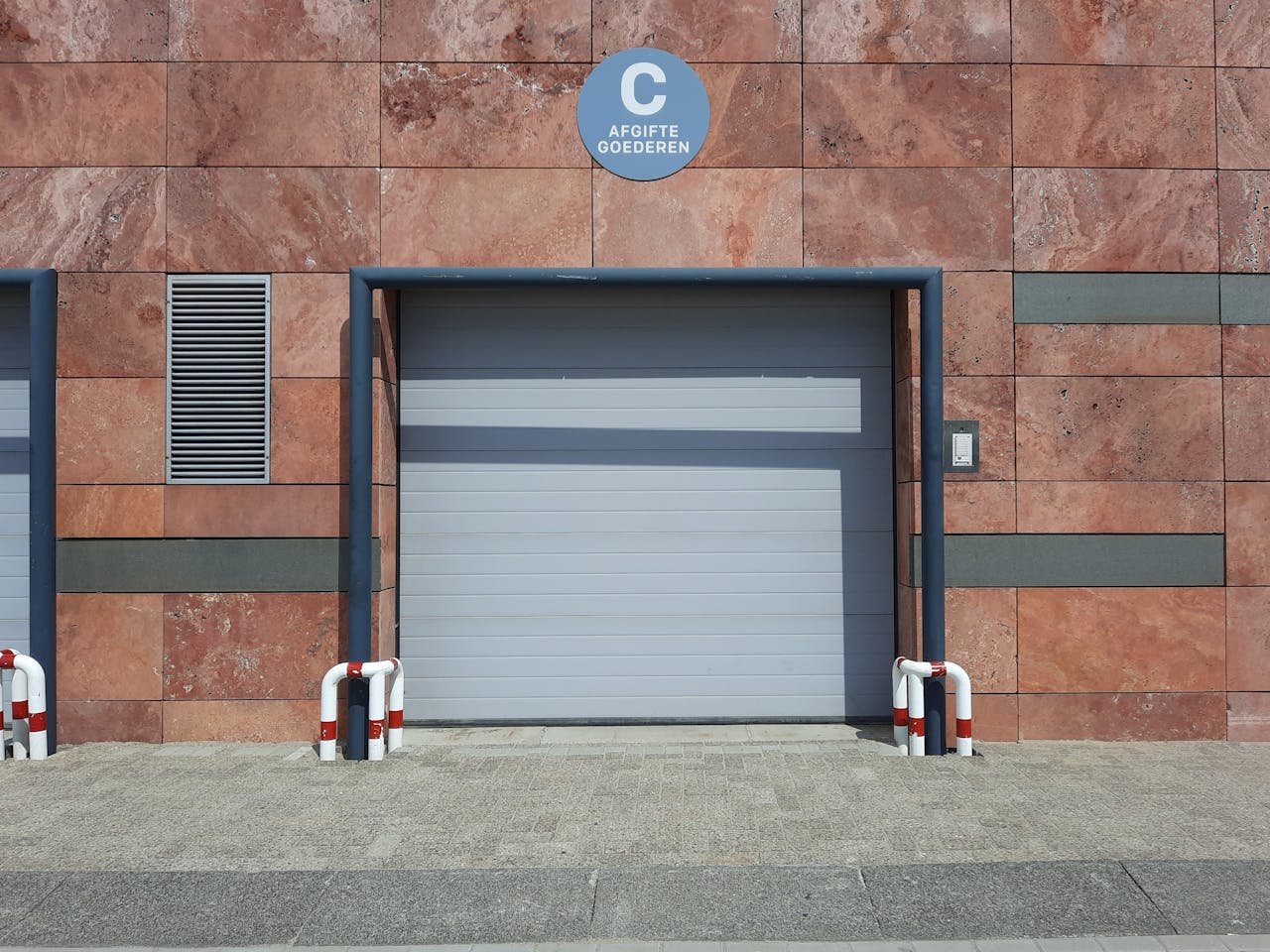
The loading bay is one of the busiest parts of the average retail or logistics warehouse. That’s why so many people want to make as many practical installations on them as possible, as to maximise efficiency and productivity. From universal dock door fittings that consolidate gap-bridging technologies to scissor lifts that aid with general material handling tasks, there are plenty of upgrades that can be made. One such upgrade that plenty of people consider are automated loading bay doors.
These industrial loading bay doors use sensors, motors and smart controls to open, close and work with dock levellers to aid in the loading and unloading process. But how much does an automated loading bay door cost? Well, the answer depends on the nature of the door and how it happens to be automated.
This article will explore the average costs of automated doors for loading bays, touching on the factors that influence these figures. If the future is automated, this should help you understand how it will affect your business financially.
Standard automated sectional loading bay doors
Standard, insulated sectional loading bay doors are the most commonly used format. They’re generally made of insulated steel panels and are motorised for operation via push buttons or sensors. They generally cost around £2,500–£4,500 to be fitted, with higher ceiling tracks or additional insulation bumping the price up somewhat.
High-speed or rapid-roll loading bay doors
Rapid-roll or high-speed doors are generally the secondary doors behind the main sectionals, used largely for more environmentally-controlled or temperature-sensitive working spaces. They’re a beneficial feature that can open and close very quickly before
Fully integrated loading pod systems
If you go the route of universal dock doors, you’re getting a lot more than just the automated door alone. These are essentially full service loading pods; external structures that house lifts, levellers and doors, all integrated into one major installation. They are a fair amount more expensive, often starting at around £15,000 and reaching as high as £50,000. However, this significant price hike is due to their all-in-one nature, rather than simply being doors.
Elements that influence costs
As illustrated, there’s plenty of room for price differentiation in loading bay doors, so it’s important to understand the elements that are likely to inflate a price tag. This way, you can take to browsing and researching with more confidence.
-
- Control options. If you can operate the doors from push buttons, with sensors or from smart device controls will impact the cost. The more options available, the higher the price tends to be.
- Insulation levels. Doors with more comprehensive insulation will likely be more expensive; however, they will save money in energy bills over time (important in the present energy crisis).
- Speed. High-speed, smooth-operating doors are generally going to cost more. If you need faster operations for workplace environmental reasons, you’re likely to invest more.
- Safety features. Doors these days are legally required to include safety light curtains, magic eyes or additional safety sensors. However, combinations of such things or more advanced systems can increase costs, so make sure to check this out.
- Retrofitting capacity. You might be able to save a significant amount of money if the door you want can be retrofitted into your loading bay, rather than being constructed and fit from scratch.
At the end of the day, automation can take many different forms. It’s important to consider the level of functionality that you really need before you invest in a top-of-the-line door. However, you also shouldn’t skimp on equipment or fittings like these. Make sure to contact a reputable provider or manufacturer and discuss your requirements comprehensively to get the best possible solution for your business.

Liz Wiley MBA is Editor of Prowess.org.uk and a qualified SFEDI-accredited business adviser, coach and enterprise trainer with more than 15 years’ experience supporting entrepreneurs and small business owners across the UK. She has designed and delivered start-up, growth and leadership programmes for public sector agencies, universities and enterprise organisations, working directly with founders at every stage of development.
Her expertise includes business planning, financial sustainability, strategic growth and confidence development, with a particular focus on supporting women founders to build resilient, scalable businesses.
Liz holds a Master of Business Administration from the Open University and has recently completed a Diploma in Digital Marketing with the Digital Marketing Institute, strengthening her advisory work in online growth strategy and digital positioning.