As a woman running a business in the UK, you already practise skills that investors, lenders and employees value: you set objectives, manage cashflow, assess risk and make decisions under uncertainty. Yet many women leave those same business skills at the office door when they step back into their personal lives. Applying business skills for personal life is not about turning your home into a boardroom. It is about using the same clarity and discipline to protect your time, money and wellbeing.
According to Women in Business: Key UK Facts, women now account for around one in three self-employed people in the UK, with ONS labour market data from 2024 putting the figure at around 1.8 million. The same planning that keeps a company solvent can help you close your own financial gaps, negotiate better working arrangements and build a life that supports your ambitions rather than undermining them.
The personal planning gap
Successful business owners are usually meticulous about forecasts, tax deadlines and key performance indicators. In their personal lives, however, many avoid planning because it feels cold or controlling. There is a persistent myth that thinking about the future removes spontaneity and romance.
Behavioural economists have shown that emotion strongly influences decisions, whether we are aware of it or not. Books such as Thinking, Fast and Slow and Freakonomics illustrate how easily intuition can lead us astray. Recognising emotion is useful; letting it override every decision is not. The answer is not to suppress feelings but to test them against evidence, exactly as you would in business.
Business skills for personal life: five that transfer well
1. Strategic planning for major life decisions
In business you look beyond the next quarter. Do the same for your life. A ten-year horizon helps you step above immediate pressures, such as a difficult client, a childcare crisis or a relationship decision. Ask yourself: if I choose option A, what does my life look like in 2036? If I choose option B, what changes? Write both scenarios as if you were presenting them to an investor.
2. Cashflow and budgeting for your household
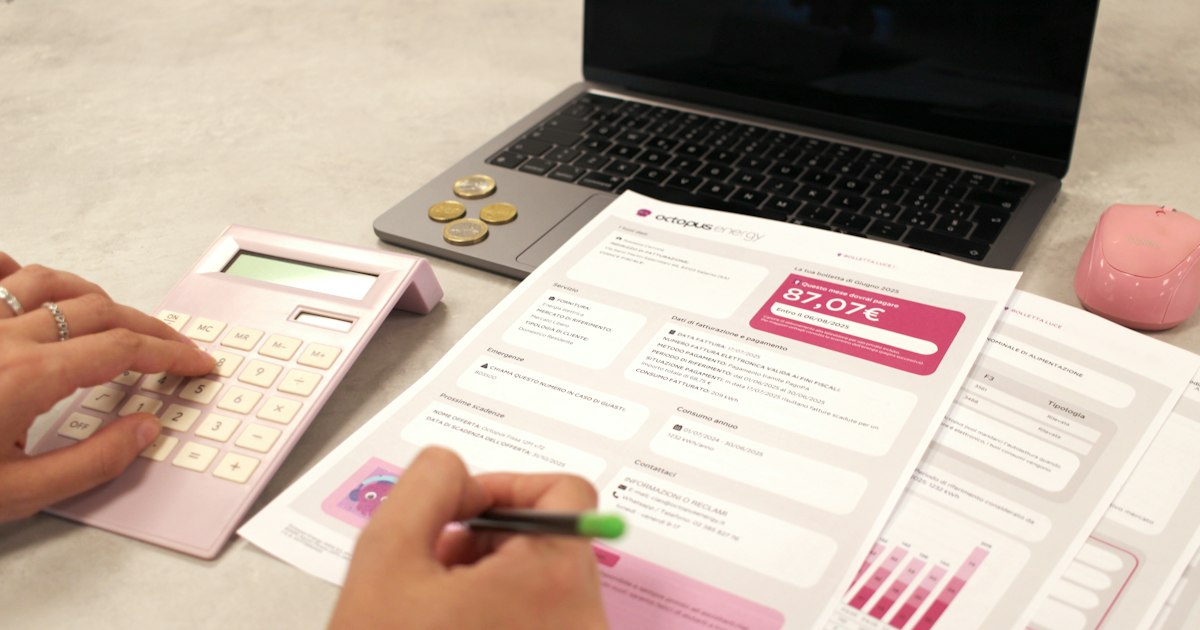
You would not run a company without knowing what comes in and what goes out. Apply the same discipline to your household finances. Track spending, build an emergency fund and review your pension contributions. The gender pension gap remains substantial: ONS Wealth and Assets Survey data from 2018 to 2020 shows that women aged 55 to 64 have private pension wealth roughly 35 per cent lower than men in the same age group. Small, regular increases in pension contributions compound over time.
3. Risk assessment for income and health
Business owners routinely insure against fire, liability and cyber attack. In personal life, risk assessment means checking your income protection, life insurance and will. If you are self-employed, a period of illness can stop income immediately. The five ways women in the UK can protect your financial future guide covers the essentials.
4. Objectivity and evidence under pressure
When you face a hard personal decision, use the same tools you use at work: a weighted pros-and-cons list, a cost-benefit analysis or a second opinion from someone outside the situation. This is especially valuable for women considering a career change or a return to work after caring responsibilities.
5. Delegation and outsourcing to protect time
You do not do your own legal filings, payroll and tax returns if you can help it. At home, delegation might mean paying for a cleaner, using a meal-delivery service during busy months or asking your employer for flexible hours. Since April 2024, employees in Great Britain have had a day-one right to request flexible working under the Employment Relations (Flexible Working) Act 2023.
Why this matters for UK women now
Women in the UK still carry a disproportionate share of caring responsibilities and still face a measurable gender pay gap. ONS figures for 2024 put the median hourly gender pay gap for all employees at 13.1 per cent. For women running their own businesses, the pressure can be even more intense because there is no HR department to absorb the shocks, no paid sick leave to fall back on and no one else to chase late invoices.
Applying business discipline to personal life is therefore a practical form of self-protection. It helps you spot when you are undercharging, overworking or neglecting your pension. It also helps you negotiate from a position of knowledge rather than guilt.
How to start futurescaping your own life
Futurescaping simply means using foresight to design your future. Try this exercise:
- Pick one major decision you are currently avoiding.
- Write two versions of your life ten years from now: one where you say yes, one where you say no.
- For each version, list three benefits, three risks and three resources you would need.
- Identify one small action you can take this week to test the water.
This method mirrors the scenario planning used by large organisations, but it works just as well for deciding whether to start a business, move city, return to education or end a relationship.
Practical action steps to take this week
- Schedule a quarterly “personal board meeting” to review your finances, health and goals.
- Check your state pension forecast and private pension contributions on the gov.uk website.
- Review your insurance and will at least once a year.
- Check you are receiving the minimum 8 per cent total pension contribution under auto-enrolment rules, with at least 3 per cent coming from your employer.
- Use the work-life balance guide and wellbeing tips for women entrepreneurs to protect your energy.
Start using your business skills today
Your business skills for personal life are too valuable to leave at your desk. Planning, budgeting, risk assessment and objective decision-making are not just for quarterly reviews and investor pitches. They are tools for building a life that is as well run as the business you have worked so hard to create. Start with one decision, one scenario and one small action this week.