Building a strong online presence is essential if you run a business in the UK. For women founders, a visible and credible digital footprint can open doors to customers, investors, and partnerships that might otherwise stay closed. According to the Women in Business: Key UK Facts page, women-led businesses now make up a significant part of the UK economy, yet many still underinvest in digital marketing and brand building.
If you want to boost your online presence as a female entrepreneur, you do not need to be on every platform or chase viral trends. You need a clear strategy that matches your business goals and the time you have available. The right approach helps you show up consistently, build trust, and turn interest into income. Here are four practical ways to strengthen your digital footprint in 2026.
How to Boost Your Online Presence as a Female Entrepreneur
1. Build a Personal Brand Rooted in Your Values
Your personal brand is the foundation of your online presence. It shapes how customers, investors, and peers perceive you and your business. A clear personal brand should communicate your expertise, values, and the specific problem you solve.
Start by writing a short mission statement and defining three core values. Use consistent visual elements, such as colours, fonts, and a professional headshot, across LinkedIn, your website, and any other platforms. Share authentic stories about why you started your business and the challenges you have overcome. Research from the Alison Rose Review of Female Entrepreneurship 2024 shows that women-led businesses contribute £184 billion to the UK economy, and founders who communicate their purpose clearly are more likely to attract loyal customers and funding.
For more on why authenticity matters, read our article on Why Authenticity Became the Only Marketing Lever That Still Works.
2. Create a Website That Works as Your Digital Shopfront
A professional website is often the first place potential customers go after discovering you on social media or through a referral. Despite this, Federation of Small Businesses research from 2024 found that around 29% of UK small businesses still do not have a website. If you are among them, you are likely losing enquiries to competitors who do.
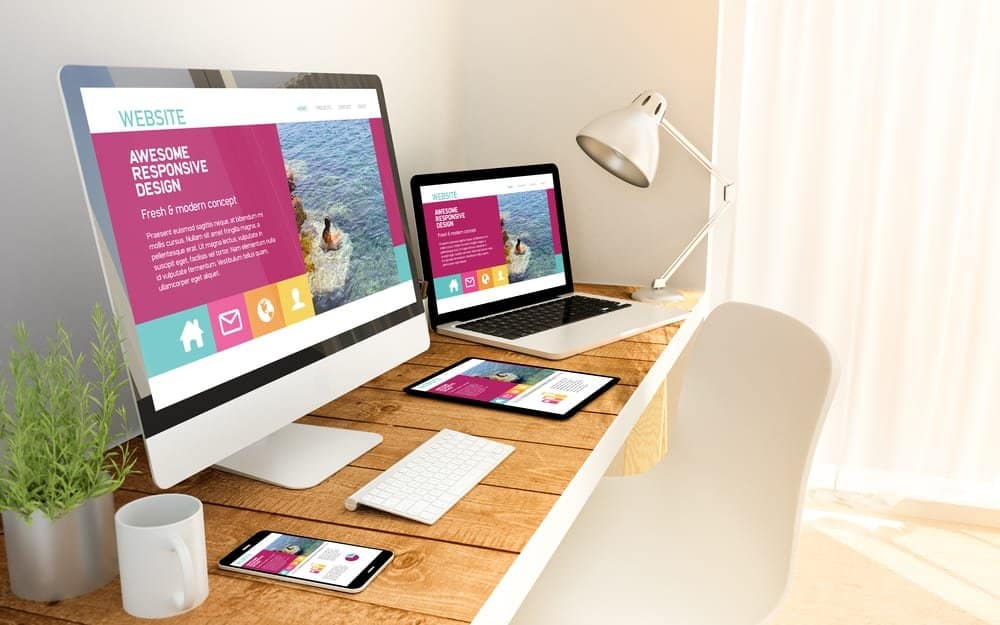
Your website needs to load quickly, work smoothly on mobile devices, and guide visitors toward a clear action, such as booking a call, signing up to a mailing list, or making a purchase. Include an “About” page that explains who you are, a services or products page, testimonials, and contact details. Make sure your calls to action are specific. “Book a free 20-minute consultation” is stronger than “Get in touch.”
For women founders who juggle multiple responsibilities, a well-structured website also saves time by answering common questions and qualifying enquiries before a conversation begins. Check your site using Google’s free PageSpeed Insights tool. A slow or poorly structured site will hurt both your user experience and your search rankings.
3. Use Social Media With Purpose, Not Just Presence
Social media can be a powerful channel for women founders, but only if it is used strategically. According to Ofcom’s Online Nation 2024 report, UK adults spend an average of 3 hours 41 minutes online each day, with a large portion of that time on social platforms. That represents a significant opportunity to reach your audience.
Choose one or two platforms where your ideal customers actually spend time. For B2B services, LinkedIn is usually the strongest choice. For product-based businesses, Instagram, TikTok, and Pinterest can drive discovery. Post consistently, but prioritise quality over volume. Share a mix of educational content, customer testimonials, behind-the-scenes glimpses, and your own perspective on industry trends.
Engagement matters more than follower count. Reply to comments, answer direct messages promptly, and collaborate with other women founders or relevant micro-influencers to expand your reach. The British Business Bank’s Small Business Finance Markets 2025 report noted that women-led businesses are less likely than male-led businesses to seek external finance, which makes organic, community-led growth channels such as social media especially valuable.
4. Invest in SEO for Sustainable Visibility
Search engine optimisation helps your website appear when potential customers search for what you offer. Unlike social media, where visibility depends on algorithms, SEO can deliver steady, long-term traffic.
Begin with keyword research using free tools such as Google Keyword Planner or Ubersuggest. Identify the phrases your audience types into Google, such as “freelance marketing consultant London” or “handmade jewellery UK.” Create content that answers those queries clearly. Optimise your page titles, meta descriptions, headings, and image alt text. Make sure your site loads quickly and is secure with an SSL certificate.
ONS data from 2025 showed that e-commerce accounted for around 26% of total UK retail sales. A strong SEO strategy helps you capture a share of that online spending without relying entirely on paid advertising. For women-led businesses operating on tight margins, this kind of compounding visibility can reduce customer acquisition costs over time. If you need specialist support, see our guide to the Top UK SEO Agencies for Small Businesses.
Conclusion: Build Your Presence Step by Step
Boosting your online presence as a female entrepreneur is not about being everywhere at once. It is about building a clear brand, a functional website, a focused social media strategy, and a sustainable SEO plan. Start with one area this week, measure the results, and build from there. Small, consistent improvements will create a digital presence that reflects the value of your business, builds trust with your audience, and attracts the right opportunities over time.
Action Steps to Take This Week
- Audit your current online presence across your website and main social platforms, noting what is working and what needs updating.
- Write or refresh your personal brand statement and ensure it appears consistently everywhere.
- Check your website on a mobile device and fix any navigation or speed issues.
- Choose one social platform to focus on for the next 90 days.
- Identify five keywords your customers use and create one piece of content around the most relevant term.