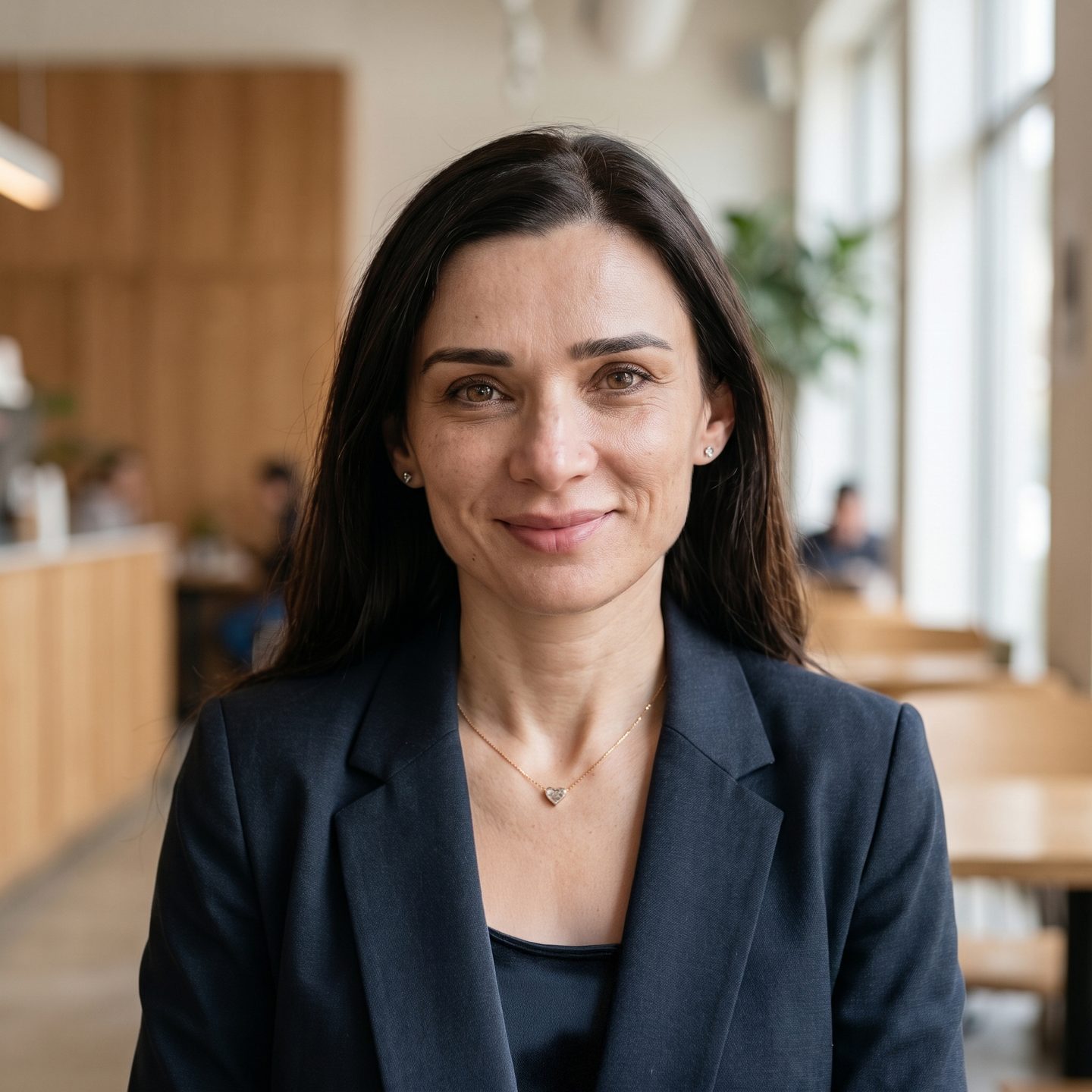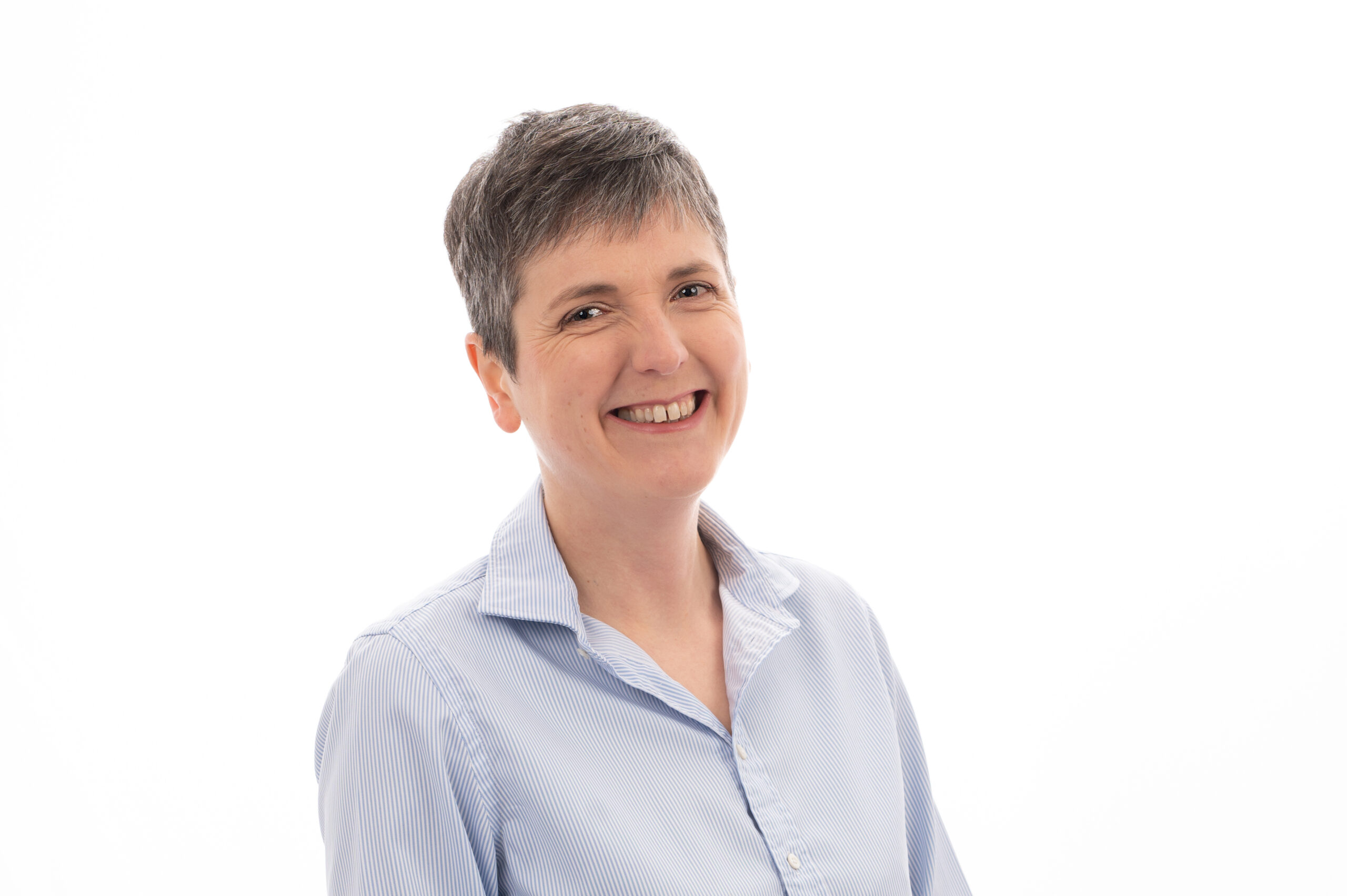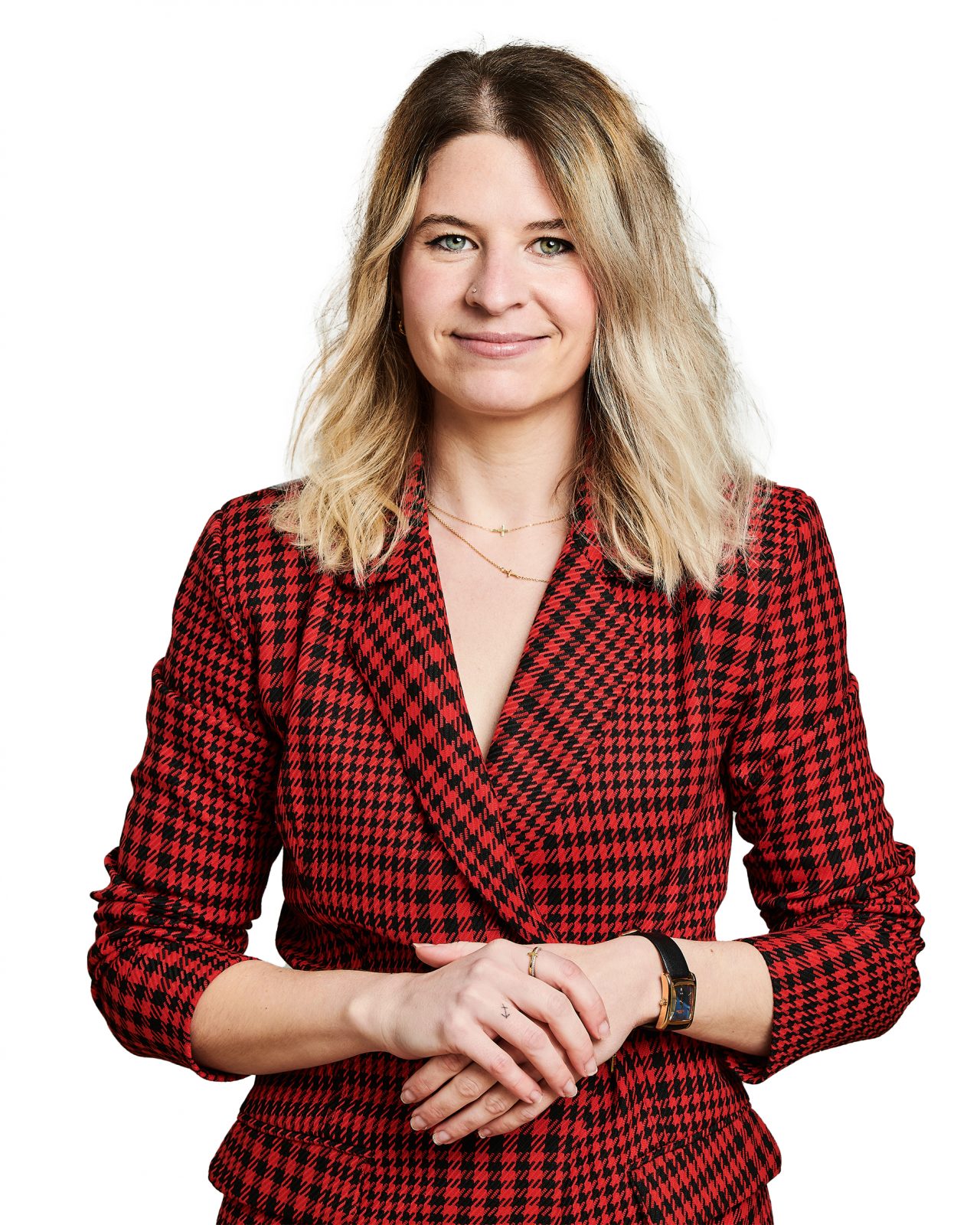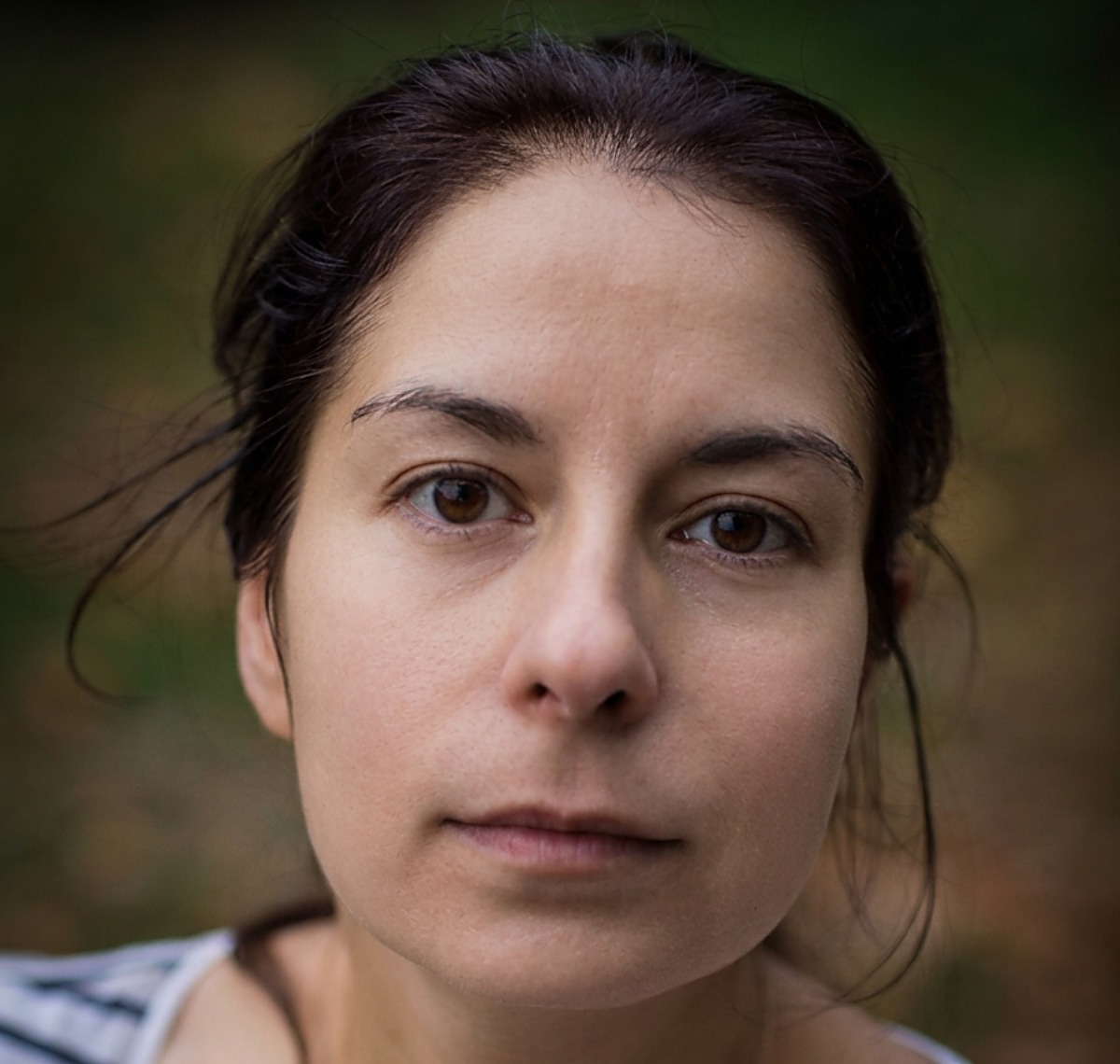
Alina Laktina has spent twelve years running Alyaka, an online-only clean beauty shop, from Huntingdon in Cambridgeshire. The shop now stocks more than 70 independent natural and organic brands. She chose every one of them by hand. The number that did not make it is far larger, and that is where the interesting decisions live.
“There isn’t one brand I’ve refused. There are hundreds,” she says. “New brands write to us all the time, and most of them I have to turn away. It never gets easier. I know what it means to start something from nothing.”
She understands what a rejection means to a founder, because she is one. It is the hardest and most regular part of her working life. It is also what the shop rests on.
From a dozen brands to seventy
Alyaka began in 2014 with twelve or fifteen brands. They were everything Laktina loved at the time, from perfume to scented diffusers for the home. “It was less a business plan than a passion for beauty,” she says. By the end of the second year the shop carried close to thirty. The early years taught her which of her loves could live online and which could not.
She has worked in beauty for over twenty years, longer than the shop has existed. The curation draws on all of it. A clean beauty shop that grows by selection takes a slower path. Selection means stocking nothing the industry pushes each season. Her view of the trade-off is clear. One more serum that looks like five others does not help a woman choose.
The hardest goodbyes
The clean beauty rejections that hurt most were not the newcomers. They were brands she already carried. “DL & Co candles were wonderful, but they were never us,” she says. The perfume houses were harder: Histoires de Parfums, Jovoy, Ineke. “I still think about those scents. But perfume is a conversation between a fragrance and someone’s skin, and you can’t have that conversation through a screen.” Alyaka began with perfume among its first loves, and dropping the perfume houses closed the chapter the shop opened with.
Letting go of perfume was a decision about what an online shop can honestly sell. She made it against her own affection for the products. Most retailers never have to make that trade in public.
What makes the cut in clean beauty
The test for a new clean beauty brand is not the label. “Clean is not enough. The ingredients have to work. Otherwise we might as well sell clean olive oil,” she says.
Her newest brand, Irene Forte, shows what passes. “The packaging, the scents, the textures, they’re superb. Try any one of their products and you fall in love; you can’t stop.” Often the decision is not about the product at all. “It’s where else the brand is sold, how it’s distributed, and whether it belongs next to what we have built,” she says. A beautiful product nobody knows is hard to sell. And a listing next to the wrong neighbours cheapens both sides.
A two-person business, twelve years in
Alyaka has never had a showroom or visiting customers. Laktina chooses the brands; her husband looks after the technical side and the site’s search performance. They have run the whole company this way from the start. They never split the work by job titles, but by who sees what more clearly.
Her advice to a woman considering the same setup with her partner is blunt. “Only do it if the business is part of your life, not a job you leave at the door. If you try to keep home and work in separate rooms, it won’t hold.” The arrangement works, she adds, because both of them understand that everything they do, they do for themselves.
How clean beauty changed since 2014
In her telling, the market has shifted twice since she started. “Covid changed everything almost overnight: women stopped looking after their skin, and the only thing they still bought was make-up for Zoom calls,” she says. Now, as she sees it, a new wave is arriving from Asia, very cheap and very fast.
What customers ask for now, she says, is clean beauty that works and does several things at once. She names Manasi 7, a line where one little pot works as blush, eyeshadow and lipstick. In her view, the market has been hard on brands too. Many of the labels Alyaka once carried could not afford to keep launching. And customers want to discover, not repeat. “So we keep looking, and we keep choosing brands that aren’t just clean on the label but work.”
“Our customers don’t come to us for gifts; they come for themselves, for the things they’ll use every morning and every night. I think that’s the real difference between us and a supermarket shelf.”
What she would do differently
Looking back, Laktina points at two delays. She would have started the shop’s advent calendar years earlier. It has become a ritual customers wait for, and it took her too long to trust that instinct. And she would have left Magento for Shopify much sooner. “Magento was heavy and slow, and every small idea took so long to build that sometimes you let it go. So many little wishes got lost on the way.” The move happened in the end, and the site runs on Shopify today.
Both delays had the same root: she knew what she wanted earlier than she acted on it. Trusting her instincts sooner is the one change she would make to the first five years.
Alina Laktina’s story is one of the reasons we profile founders who build slowly and choose carefully. If that is the kind of business you want, read why women make great entrepreneurs and how founders grow without a big team. For the numbers behind women-led businesses in the UK, our facts page collects the key statistics.