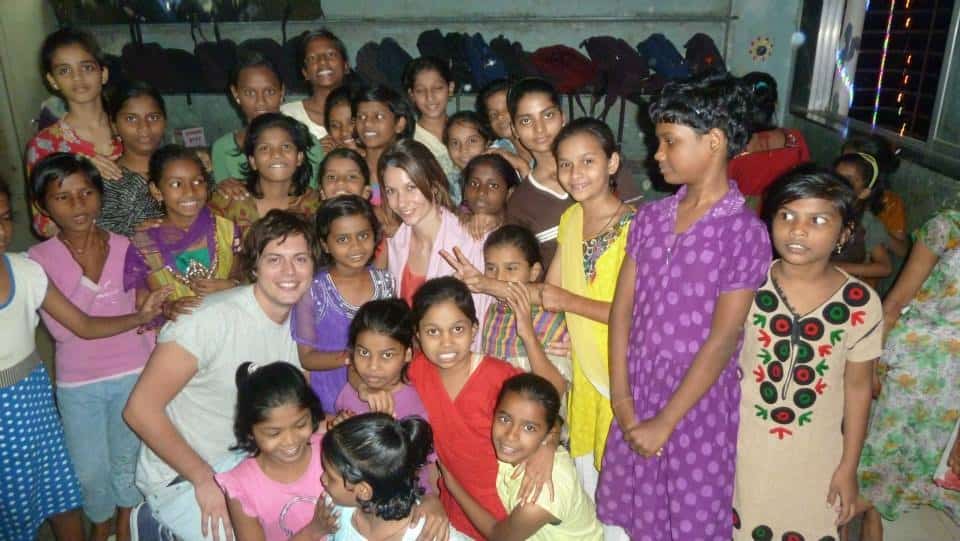
In 2015, Chloe Hoole from Sheffield launched Darlo, a woman-led social enterprise that aimed to prove babywear could be beautiful, ethical and impactful. For every item sold from Darlo’s organic cotton range, the business funded a week’s worth of meals for a child in India. It was a classic social enterprise model: using trade to tackle a social problem rather than relying on donations.
Chloe came up with the concept while travelling in India and seeing first-hand how poverty limited children’s opportunities. Back in the UK, she and her partner James Little began building the business from their East London flat. Their mission, a little giving changes lives, shaped everything from product design to supplier choice. Although Darlo is no longer trading as of 2026, its journey remains a practical case study for women founders who want to build businesses that do well by doing good.
How Darlo built a woman-led social enterprise
From the outset, Chloe wanted Darlo to operate as a business for good. She registered with Social Enterprise UK (SEUK), the national membership body for social enterprises. This decision meant Darlo’s social aim was embedded in its governance, not treated as a marketing add-on.
“We registered with Social Enterprise UK to use the power of business for good,” Chloe explained at the time. “We felt this had advantages to operating as a traditional charity dependent on fundraising and donations. We wanted to create a self-sustaining framework that saw our social contributions grow as our business did.”
That distinction remains important in 2026. Social enterprises reinvest or donate the majority of their profits to further their social or environmental mission. According to Social Enterprise UK’s most recent sector survey, published in 2024, there are around 100,000 social enterprises in the UK, contributing approximately £60 billion to the economy and employing roughly 2 million people. They span everything from community cafés to ethical fashion labels, and they continue to outstrip the mainstream SME population in start-up rates.
For founders today, registering with Social Enterprise UK, choosing a legal structure such as a community interest company (CIC), or pursuing B Corp certification can signal credibility and protect your social purpose as you grow. A CIC must pass a community interest test and lock its assets, which prevents future owners from stripping out the social mission.
Building a trusted overseas partnership
Darlo’s giving model depended on a trusted local partner. Chloe teamed up with Neishaa Gharat, voluntary director of Project Crayons, a Mumbai-based charity providing education, shelter, food, love and support to children in marginalised communities.
“It was important to us that we worked with like-minded individuals who are continually motivated by the work they deliver,” Chloe said. “We instantly hit it off and we both got very excited about the prospect ahead.”
Together, Darlo and Project Crayons designed a food programme. With many children under the charity’s care, the food bill was substantial. Darlo aimed to cover those costs and, eventually, expand into further projects supporting families living in the slums of Mumbai.
Start Up Loans and early-stage support
To turn the idea into a trading business, Chloe secured initial funding through the government-backed Start Up Loans programme. Launched in 2012 and delivered by the British Business Bank, Start Up Loans offers personal loans of up to £25,000, fixed interest rates and free mentoring for new business owners who struggle to access traditional finance.
By early 2024, the scheme had provided more than 100,000 loans totalling over £1 billion to UK start-ups, according to British Business Bank figures. Around two in five recipients are women, making it one of the more accessible funding routes for women founders. For Chloe, the mentoring was as valuable as the cash.
“We met some amazingly talented individuals through the scheme who have been willing to help at every stage,” she said. “We owe a great deal to our mentor for her support and guidance because if we are being honest, at the start it was all a bit overwhelming. You need all the help and advice you can get!”
Women founders remain underrepresented in UK entrepreneurship, as shown in Women in Business: Key UK Facts. In 2026, the Start Up Loans for women founders route remains a key option, alongside other British Business Bank programmes designed to improve access to finance for women-founded businesses.
Ethical product and marketplace strategy
Darlo’s range was aimed at newborns to 12-month-olds, made from super-soft Indian organic cotton certified to the Global Organic Textile Standard (GOTS). The bright, positive colours were inspired by the children Chloe and James met in India.
“The Project Crayons home is not sad, it’s bright and cheerful,” Chloe said. “It’s filled with amazing characters who haven’t had the easiest start to life but yet they all have such a warming aura. We hope our range represents positivity and brings happiness to all.”
The collection launched online and through selected boutiques around London, as well as on curated marketplaces such as Not On The High Street. This multi-channel approach, combining a direct website, third-party marketplaces and independent retail, remains a common route for small ethical brands trying to reach conscious consumers without the cost of a flagship store.
Why Darlo is no longer trading
Although Darlo generated early interest and press coverage, the brand’s website and social media channels later fell silent. As of 2026, Darlo no longer trades through its original domain or major UK marketplaces. That makes its story a useful case study rather than a live recommendation, but the lessons are no less relevant.
Running a social enterprise in the childrenswear sector means competing on price, quality and ethics simultaneously. 2024 market estimates value the UK childrenswear market at roughly £7.5 billion, but margins are tight, consumer loyalty is hard won, and supply-chain transparency is costly. Darlo’s experience shows that a compelling mission can open doors, yet sustainable trading still requires robust finance, operations and marketing.
Key takeaways for aspiring social entrepreneurs
- Embed your mission early. Registering with Social Enterprise UK, choosing a community interest company (CIC) structure, or pursuing B Corp certification signals credibility and protects your social purpose as you grow.
- Choose partners carefully. Whether it is an overseas charity or a UK manufacturer, due diligence, clear agreements and regular communication are essential.
- Use start-up finance strategically. Programmes like Start Up Loans for women founders can provide both funding and mentoring. Plan how the loan will cover cash flow, not just launch costs.
- Build a resilient sales strategy. Relying on a single channel is risky. A mix of direct-to-consumer, marketplace and wholesale sales can spread risk and build brand awareness.
- Be honest about viability. A strong social mission attracts customers, but the business must still be profitable enough to keep delivering that mission.
Lessons from Darlo for women founders
Chloe Hoole’s Darlo was a bold attempt to prove that babywear could be beautiful, ethical and impactful. By combining Social Enterprise UK registration, Start Up Loans funding and a clear partnership with Project Crayons, she created a business model where every sale fed a child in India. While Darlo is no longer trading, its journey remains a practical example for women founders who want to build a woman-led social enterprise that does well by doing good.