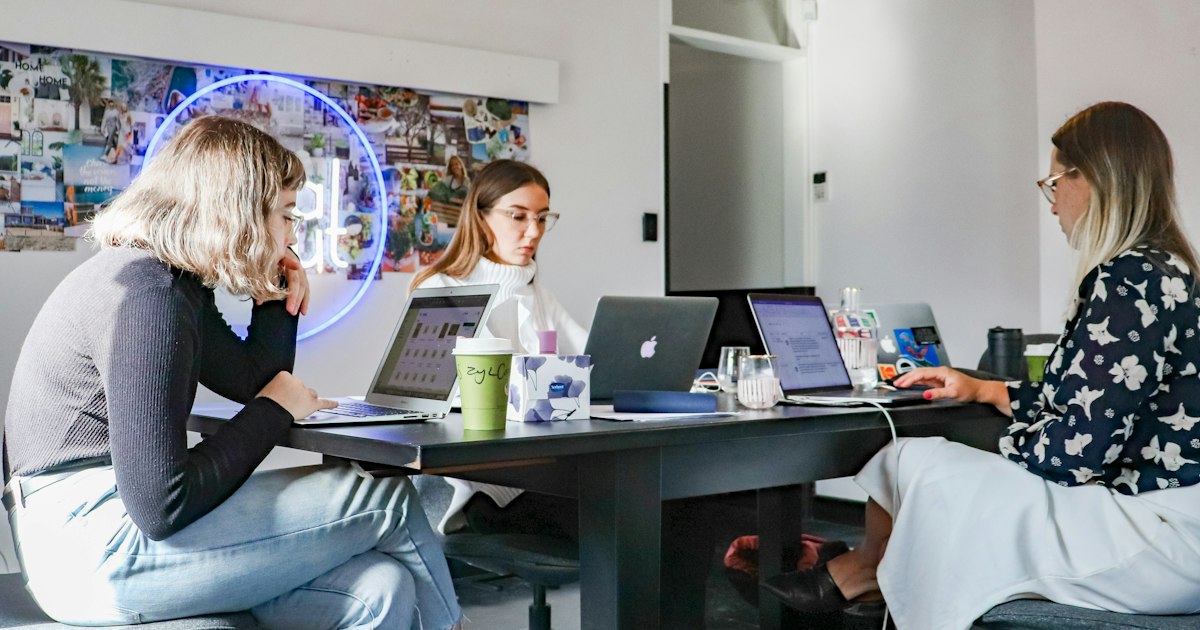
Job boards and social media feeds are still packed with adverts promising easy money from your kitchen table. For women juggling caring responsibilities, health needs, or a side business, the appeal is obvious. But the same risks that existed a decade ago remain: upfront-fee scams, fake recruitment posts, and commission-only roles dressed up as salaries. The difference in 2026 is that working from home UK is now a mainstream right, not a fringe perk, and the rules are clearer to help you tell the difference.
The current state of working from home UK
Remote and hybrid working are no longer emergency measures. According to ONS Labour Force Survey data for 2024, around 14% of working adults in the UK are fully remote, while roughly 28% work in a hybrid pattern, splitting their time between home and an employer’s premises. Women are slightly more likely than men to work from home, partly because they remain more likely to carry unpaid caring responsibilities, according to the same ONS data.
That shift means two things for women in business. First, if you are employed and want to work from home, you now have a stronger legal footing than ever before. Second, if you are self-employed or running a business from home, HMRC and your local council have specific rules about what you can claim and how you must register. Women in Business: Key UK Facts tracks how these patterns are changing across the UK.
How to spot work-from-home scams
Action Fraud continues to report work-from-home fraud as one of the most common employment scams in the UK. The pattern is usually the same: an advert offers high pay for simple tasks such as envelope stuffing, data entry, or online reviewing, then asks for an upfront payment for a starter pack, training, or background check. Once the money is sent, the work either never materialises or pays far less than advertised.
Red flags to watch for include:
- Requests for payment before you start work.
- Vague job descriptions with no named employer.
- Pressure to recruit friends and family to earn commission.
- Interviews conducted only via WhatsApp or Telegram with no video call.
- Salaries that sound unrealistic for the work described.
If you suspect a scam, report it to Action Fraud and avoid sharing personal documents such as your passport or bank details until you have verified the employer.
Your statutory right to request flexible working
The biggest legal change for employed women is the day-one right to request flexible working, introduced in April 2024. Under the Employment Rights (Flexible Working) Act 2023, any employee can ask to change their hours, times, or place of work from the first day of a new job. You can make two statutory requests in any 12-month period, and your employer must deal with the request within two months and consult you before refusing it.
Your employer can still refuse on specific grounds, including extra costs, inability to reorganise work, or a planned structural change. However, the shift in law means remote or hybrid working should now be a normal conversation, not a favour. Our guide on Flexible Working Rights UK 2026: What Women Need to Know explains how to make a request and what to do if it is rejected.
Tax relief on home-working expenses
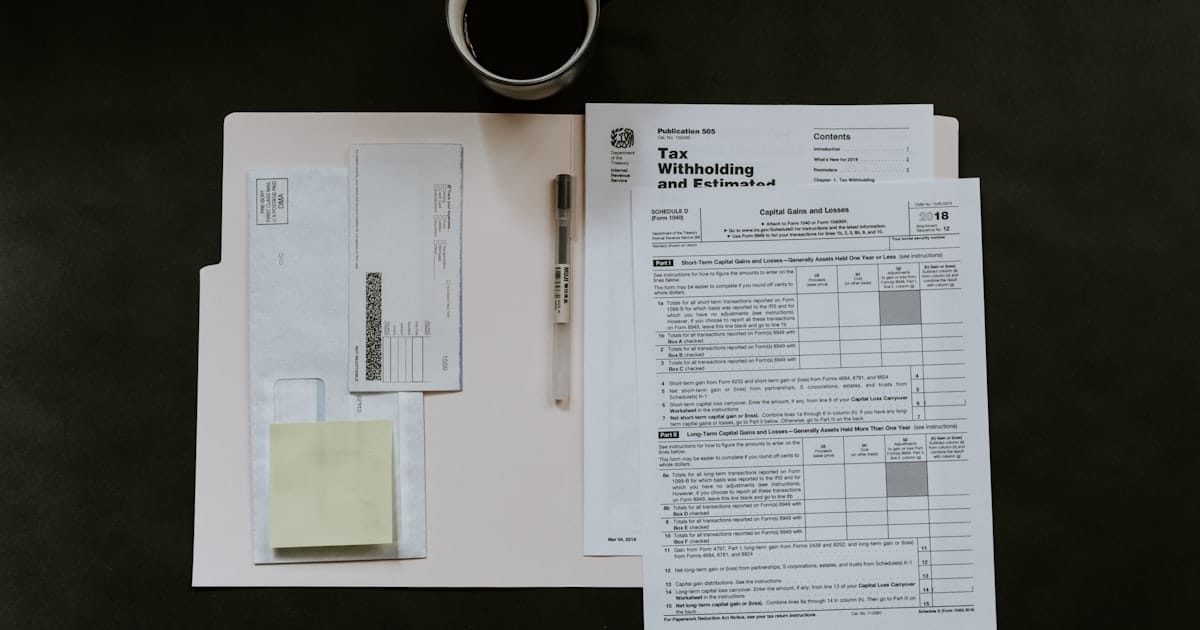
Whether you are employed or self-employed, working from home can affect your tax position. If your employer requires you to work from home, you may be able to claim tax relief on additional household costs. HMRC currently allows a flat-rate claim of £6 per week without keeping receipts. If your costs are higher, you can claim the exact amount, but you must keep evidence such as bills and receipts.
For the self-employed, the rules are different and usually more generous. You can claim a proportion of heating, electricity, council tax, mortgage interest, or rent based on how much of your home is used for business and for how long. Our guide to Home Working Expenses Self Employed Can Claim Through HMRC breaks down the calculations.
How to start a home-based business
If you want to work from home on your own terms, starting a business remains the route with the most control. The British Business Bank’s Start Up Loans programme offers personal loans of up to £25,000 for new businesses, alongside free mentoring. You do not need to be under 30 to apply, and the scheme is open to women across the UK who have a viable business plan.
Home-based business ideas that work well for women in 2026 include:
- Creative products sold through Etsy, Folksy, or your own website.
- Virtual assistant or bookkeeping services for other small businesses.
- Online tutoring, coaching, or consultancy in a professional specialism.
- Reselling vintage or pre-loved items through eBay, Vinted, or Depop.
- Digital products such as templates, courses, or printable resources.
Before you start trading, check whether you need to tell your mortgage lender or landlord, update your home insurance, and register with HMRC. If your turnover crosses the VAT threshold, currently £90,000 from April 2024, you must also register for VAT. Our Start Up Loans Female Founders guide explains how to apply.
How to make remote work sustainable
Working from home solves some problems and creates others. Many women report blurred boundaries, isolation, and the temptation to work longer hours because the office is now the spare room. Setting a start and finish time, creating a dedicated workspace, and taking a proper lunch break are small habits that protect both productivity and wellbeing.
If you employ staff who work remotely, you also have legal duties around health and safety, data protection, and mental health. A home workstation risk assessment and a clear remote-working policy are basic steps that keep you compliant and your team supported. For practical balance advice, see How to Maintain Work-Life Balance Working From Home.
Action steps to protect your income
- Check any home-working advert against Action Fraud’s warning signs before paying money or sharing documents.
- If you are employed, use your day-one statutory right to request flexible or remote working.
- Claim the correct HMRC tax relief for home-working costs, whether employed or self-employed.
- If starting a home business, explore Start Up Loans and register with HMRC from day one.
- Set boundaries and a dedicated workspace to make remote working sustainable long term.
Working from home UK no longer has to mean navigating scams or begging for permission. With the right legal knowledge, tax awareness, and boundaries, it can be a genuine route to flexibility, income, and business growth.